As many as 1,784 cases of mucormycosis (also known as 'black fungus') have till now been reported in coronavirus disease (Covid-19) patients in Karnataka, said state health minister Dr. K Sudhakar on Saturday, adding that 62 patients have recovered from the disease so far. Karnataka has reported a recent surge in cases of mucormycosis, a disease that happens due to a fungus called mucormycetes which can enter the body through breathing or skin injuries.
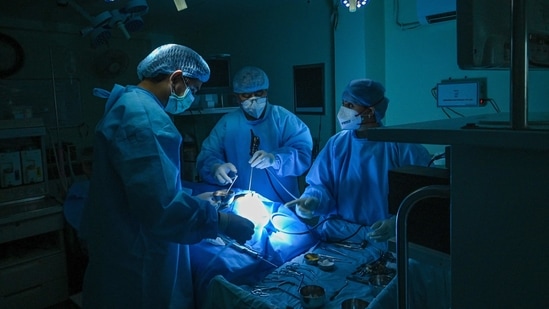
Mucormycosis, or black fungus, is a rare but serious type of fungal infection that requires medication or removal surgery. It is being reported among people who have recovered from Covid-19, as the virus potentially weakens the body’s immune response. The rate is much higher among those with diabetes or those who have taken steroids during Covid-19 treatment.
Also Read: Black fungus cases cross 200 mark in Chandigarh hospitals
Reporting the number of cases of black fungus infection, the Karnataka health minister provided some vital details regarding the state government's means to tackle the disease. "So far, we have received 18,650 vials of Amphotericin B," he said, talking about the key anti-fungal drug used in the treatment of mucormycosis.
The Karnataka state government is also considering including black fungus treatment under the 'Ayushman Bharat Arogya Karnataka' scheme.
{{/usCountry}}The Karnataka state government is also considering including black fungus treatment under the 'Ayushman Bharat Arogya Karnataka' scheme.
{{/usCountry}}Also Read: Amphotericin-B: States race against time to procure mucormycosis drug
Black fungus can be fatal if left untreated and requires several vials of Amphotericin-B to be administered to the patient, according to doctors. Treatment protocol says that when mucormycosis infects the nose, sinus, or palate, doctors will administer a 5mg dose of Amphotericin B per kilogram (kg) of body weight. For example, if a person weighs 60kgs, he would require 300mg of the dose. Each vial has 50mg of the drug. Hence, a patient suffering from the disease will require six vials which costs ₹60,000 on a daily basis. If the infection reaches the brain, doctors have to administer 8-10mg per kilogram of the patient’s body weight.