
 E-Paper



Bengaluru sees 5,168 complaints against auto drivers in 2024 amid rise in disputes: Report
Bengaluru Traffic Police have logged over 5,000 complaints against auto rickshaw drivers till July 2024 for fare disputes and cancellations.

 Prefer HTon Google


Bengaluru city has been witnessing increasing instances of disputes between auto rickshaw drivers and passengers, with complaints about overcharging and cancellations on the rise. The Bengaluru Traffic Police (BTP) reported a significant increase in grievances, receiving 20-25 calls daily related to auto rickshaw issues, according to a report by The Hindu.
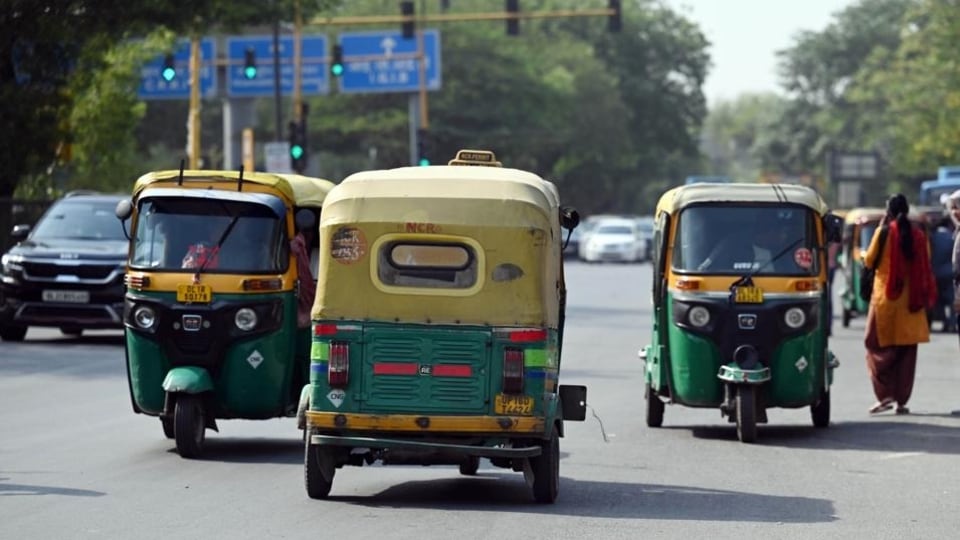
As of July 31, 2024, the BTP has recorded 2,586 complaints against drivers for refusing fares and 2,582 for demanding excess charges, marking a notable spike compared to previous years. In 2022, the police had filed 2,183 cases for refusals and 2,179 for overcharging, while in 2023, these numbers were 1,537 and 1,599, respectively, the report noted.
READ | Bengaluru: Auto driver grabs woman's hand, snatches phone over payment dispute; FIR lodged
Joint Commissioner of Traffic, M. N. Anucheth, attributed this surge to intensified enforcement efforts.
“Every day we conduct one or the other special drive and most of those have been against auto drivers this year as we received a lot of complaints from the public. The drives were conducted in places where there is a high footfall of people like metro stations, railway stations, malls and hospitals. We have decoys who ask auto drivers for a ride and when they refuse or demand extra fare, we book a case against them,” Anucheth told the publication.
The increase in reported cases is partly due to more public awareness and the availability of reporting through the emergency number 112. However, not all reports translate into formal complaints; some involve only providing vehicle registration details for police action.
READ | Bengaluru police arrest auto driver who allegedly slapped and abused woman for cancelling his ride
On the flip side, auto rickshaw drivers are struggling with rising operational costs, the report noted. The General Secretary of the Auto Rickshaw Drivers’ Union (ARDU), Rudramurthy, highlighted that fare meters, last revised in 2013, have not kept pace with inflation and increasing vehicle costs.
“After changing meter fares in 2013, they did not revise it until 2021. In many other districts both within and outside of the State, meter fares are revised regularly. But in Bengaluru, that is not the case. A decade ago, the price of an auto rickshaw was ₹1.5 lakh, today it is ₹3 lakh. The prices of spare parts have skyrocketed and just on Wednesday gas price increased by ₹2 per litre. If metre fares are revised regularly, then auto rickshaw drivers would also not demand fares over and above the metre. Nobody is taking a solution-based approach to our problems,” he said, as quoted in the report.


