
 E-Paper



Karnataka governor reserves Muslim quota bill for President’s assent, says ‘no religion-based quota under Constitution'
Thaawarchand Gehlot said the Constitution does not allow reservation based on religion, stating that such provisions may violate Articles 14 , 15, and 16.

 Prefer HTon Google


Karnataka Governor Thaawarchand Gehlot has reserved the Karnataka Transparency in Public Procurements (Amendment) Bill, 2025, which proposes a four per cent reservation for Muslims in government contracts, for the President’s consideration.
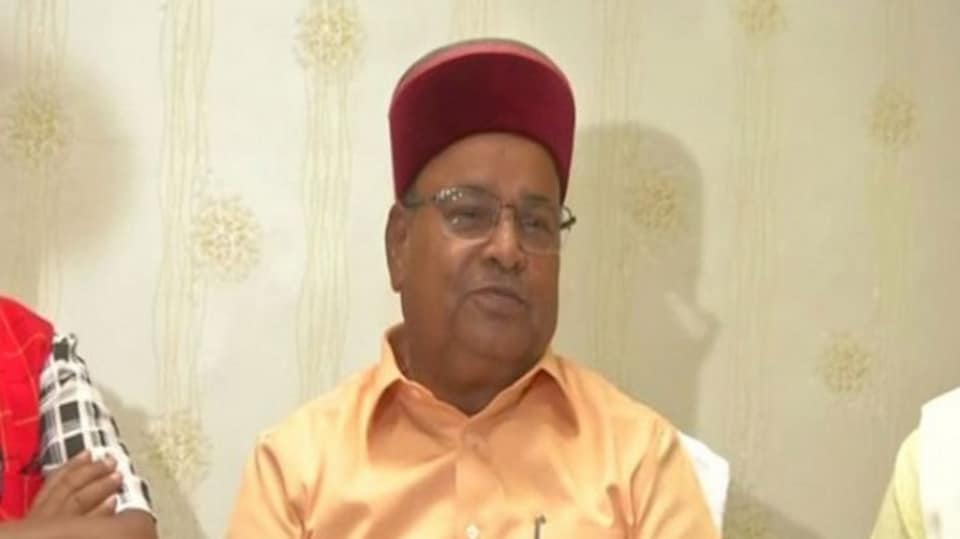
According to news agency PTI, the Governor has forwarded the Bill to the state’s Law and Parliamentary Affairs Department, which will now send it to the President for assent. The Bill has sparked significant political and legal debate in the state.
In his letter to the state government, Gehlot said the Constitution does not allow reservation based solely on religion, stating that such provisions may violate Articles 14 (equality before law), 15 (prohibition of discrimination), and 16 (equal opportunity in public employment), the report added.
“The Supreme Court has consistently held that affirmative action must be based on social and educational backwardness, not religious identity,” Gehlot noted. He referenced the 2003 Saurabh Chaudhri vs Union of India judgment, which reiterated that Articles 15 and 16 prohibit religion-based reservation.
(Also Read: 'Caste census': Karnataka government will ensure no injustice happens to anyone, says Siddaramaiah)
The Governor also clarified the constitutional process outlined in Articles 200 and 201, explaining that a Bill passed by a State Assembly becomes law only if it receives either the Governor’s assent or, if reserved, the President’s approval.
“In the light of the above, I hereby, exercising powers under Articles 200 and 201 of the Constitution of India, reserve The Karnataka Transparency in Public Procurements (Amendment) Bill, 2025 for the consideration and assent of the President of India,” Gehlot stated.
When was the bill passed?
The Bill was passed by both houses of Karnataka Legislature amid protests by the opposition BJP on the last day of the previous Legislative session on March 21.
The BJP charged that the Bill was illegal as there is no provision in the Indian Constitution to give reservation based on religion. It also alleged that the Bill smacks of appeasement politics of the ruling Congress.
(With agency inputs)
(Also Read: Karnataka truckers stir enters day two; Transport Minister hints at action, blames 'politics')


