
 E-Paper



Karnataka legal team to get ₹60 lakh per day to fight border row case in SC
The Karnataka government has fixed a professional fee of ₹59.9 lakh a day for the team of senior lawyers, including Mukul Rohatgi to fight the case pertaining to border row with Maharashtra in Supreme Court.


The Karnataka government has fixed a professional fee of ₹59.9 lakh a day for the team of senior lawyers, including Mukul Rohatgi to fight the case pertaining to border row with Maharashtra in Supreme Court. A Law department order said it has fixed the terms and conditions and professional fee to the legal team to represent Karnataka before the Supreme Court in an original suit (number 4/2004) filed by the government of Maharashtra against Karnataka on the border dispute.
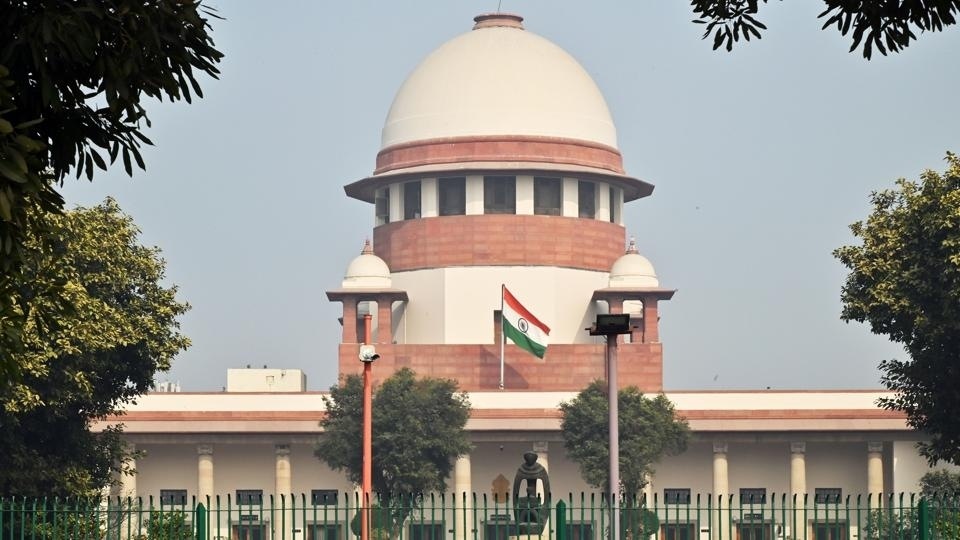
As per the January 18 order, senior advocate Mukul Rohatgi will be paid ₹22 lakh per day for appearing before the apex court and ₹5.5 lakh per day for conference and other works. Another lawyer Shyam Divan will be paid ₹six lakh a day for appearing before the court, ₹1.5 lakh per day for preparation of the case and other works and ₹10 lakh for outstation visits per day.
The government will bear the expenses on hotel facilities and business class air travel. The Advocate General of Karnataka will be paid ₹three lakh a day for appearing in the SC, ₹1.25 lakh per day for preparing cases and other works, ₹two lakh on outstation visits apart from bearing the hotel and business class air travel expenditures.
READ | ‘No question of giving even an inch of land:’ Bommai condemns Maharashtra’s resolution
The state government has also hired senior lawyer Uday Holla, a former advocate general of Karnataka, who will be paid ₹two lakh per day for appearing in the apex court, ₹75,000 per day for preparation of the case, ₹1.5 lakh per day for settlement of pleadings and other works, and ₹1.5 lakh per day for outstation visits apart from hotel and travel expenses.
The boundary row had intensified late last year, with vehicles from either side being targeted, leaders from both the States weighing in, and pro-Kannada and Marathi activists being detained by police amid a tense atmosphere in Belagavi. The border issue dates back to 1957 after the reorganisation of States on linguistic lines. Maharashtra laid claim to Belagavi, which was part of the erstwhile Bombay Presidency, as it has a sizeable Marathi-speaking population. It also laid claim to over 800 Marathi-speaking villages which are currently part of Karnataka.
Karnataka maintains the demarcation done on linguistic lines as per the States Reorganisation Act and the 1967 Mahajan Commission Report as final. And, as an assertion that Belagavi is an integral part of the State, Karnataka has built the 'Suvarna Vidhana Soudha', modelled on the 'Vidhana Soudha' here.


