
 E-Paper



Karnataka relaxes Covid curbs, ‘plague temples’ open doors for devotees
Though, for the younger generation in Bengaluru, the existence of such temples is amusing, for others, the deity, which finds its origins during the plague of the late 1800s, still holds importance


For Ramachandra Rao (70), a resident of Malleshwaram, his long wait to visit the Maramma Temple in Basavanagudi seems to be over after the Karnataka government allowed temples to reopen from Monday following a two-month lockdown due to Covid-19. The retired public sector undertaking employee, who has received both doses of Covid vaccine, hopes to visit the temple to pray for good health.
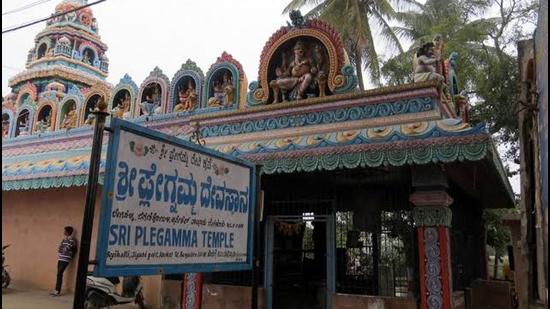
“It is an age-old belief that deity in the temple protects people from illnesses. We have been praying at the temple for years now. The fact that it has remained open for more than a century shows the faith people have in ‘plague’ amma,” Rao explained.
Experts, however, have questioned such superstitions and beliefs . “If it doesn’t harm the society or misguide other people or the diagnosis, they can practise it (going to such temples). If you go to a temple and pray for your good health, make offerings, it is fine. But if you don’t go to doctors, don’t get oxygen and just pray or sleep in some temple and think that you will become alright, then that is not advisable,” Dr. Madhusudhana Kariganur, former president of Indian Medical Association’s Karnataka chapter told HT.
Also Read | Ready to appear over no-arrest guarantee: Twitter head to Karnataka HC
Though, for the younger generation in Bengaluru, the existence of such temples is amusing, for others, the deity, which finds its origins during the plague of the late 1800s, still holds importance.
According to government records, the first case of the plague in ancient Bangalore got reported in the city cantonment in August 1898. By the end of the pandemic, around 3,393 unofficial deaths in areas outside the cantonment, and 3,321 deaths were reported in the cantonment.
Meera Iyer of the National Trust for Art and Cultural Heritage (INTACH) said that the first change in the city’s lifestyle was the development of a new, spacious layout system instead of the crowded markets like Chickpet. Basavanagudi, Malleswaram, Frazer Town and other areas were developed to ensure people did not live in congested areas. “There was a lot of emphasis on lighting, ventilation and hygiene post the plague. It changed the way houses were built too,” she said. Along with the new layouts came the plague temples. “When the pandemic hit in the late 1800s, people flocked to these temples for protection since there were limited medical resources available,” said historian Suresh Moona.
The Rajarajeshwari Plagueamma Temple on the Mysore Road is the only temple dedicated to plague. According to the officials of the temple, the temple enshrines Goddess Rajarajeshwari and two holy stones. The faith in these stones was justified when the disease was completely wiped out. From then on, people started worshipping these stones.
According to Moona, the removal of a worship site is frowned upon in the Indian culture. “Over the years, the belief came into existence that these temples would keep people safe from further pandemics,” he added.
Stay updated Bengaluru Weather Live and with all the Breaking News and Latest News from Bengaluru. Click here for comprehensive coverage of top cities including Delhi, Mumbai, Hyderabad, and more across India . Stay informed on the latest happenings in World News.


