E-Paper



Anand Gram: Madhya Pradesh to become first state to have happiness villages
The core idea behind Anand Gram is to promote the belief that true quality of life stems not from external development, but from inner peace and happiness

 Prefer HTon Google


Raonsar village in Madhya Pradesh’s Ashok Nagar district is being showcased as the model village for developing happiness villages, one each in the 55 districts, where villagers are taught to pursue “inner happiness” by resolving problems themselves instead of complaining to authorities.
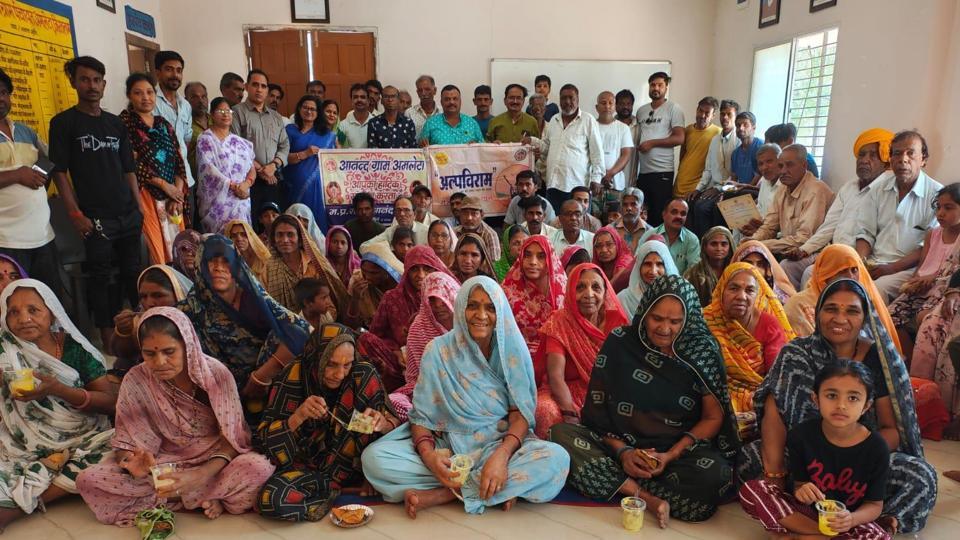
A village of 2,000 residents will be developed as Anand Gram (happiness village). MP is the only state in the country, although poor on several social indicators, to have a department for happiness.
“The core idea behind Anand Gram is to promote the belief that true quality of life stems not from external development, but from inner peace and happiness, laying the foundation for a more harmonious and resilient society where people will live peaceful life, have progressive mindset, free from discrimination and eco-friendly, said said Ashish Kumar, chief executive officer of Happiness department.
According to him, the Madhya Pradesh government initiative is aimed at developing a village in every district as Anand gram which is totally different from a model village (developed village with all kinds of amenities and infrastructure).
“It does not mean that infrastructure development will not happen here. Regular schemes will continue but people should be taught on how to socially resolve issues,” another department official said.
Also Read: Spectator by Seema Goswami: Reject, don’t regret
The director said the villages will be identified on the basis of inputs by happiness volunteers (who have been appointed in every district) and district panchayat samiti. The MP government has appointed ten happiness volunteers for every district for advocacy of inner happiness.
“Once the village is decided, the first step will be to train 15-16 government officials, who are working as teachers, anganwadi workers and panchayat secretary on inner happiness, calmness, self-improvement and working for overall improvement of the society,” the director said.
The government will also take help from organisations namely Art of Living, Sahaj Yoga and others to organise sessions for villagers to make them understand what real happiness is, said the second officer.
According to the happiness department official, there was no way to physically evaluate self- satisfaction and inner happiness but they have set a target of five years to see a visible difference among the behaviour of the villagers towards family, society and even administration.
The differences like change in behaviour of people, less crime rate, high rate of education, free from any kind of intoxication, respect for all religion and caste by ending discrimination, environment friendly, cleanliness and others will be parameters of evaluating happiness, Arya said.
Calling it as a first step towards behavioural change, a resident of Raonsar village Harendra Budholiya, 45, said, “Ananadak (happiness department volunteers) sat together and tried to understand the issue in the village. Many complained of a 4km road with potholes that connected the village with the main road. They made us understand that we can resolve this issue ourselves. The panchayat made a plan along with villagers. The villagers repaired the road and made it smooth. Now we are happy.”
Another villager, Dinesh Meena, 28, said, “Like the road, we also improved the drainage system in the village ourselves. Small efforts are making big differences in our village. We are organising religious, cultural and sports programmes in the village to end the political feuds.”
A psychiatrist Satyakant Trivedi said, “As a psychiatrist, I would emphasise that this project should not remain limited to talks, speech, meditation and yoga. It must also integrate mental health awareness, stress management practices, addiction prevention and family counselling. When villagers are encouraged to listen to each other, share their concerns, and engage in positive collective activities, the sense of ‘inner happiness’ becomes more sustainable.”
Rakesh Diwan, a social rights activist said, “Happiness shouldn’t be artificial but should be aimed at giving people their rights and all the facilities to live with dignity. The villagers constructing roads as the government failed to provide facilities was not for self-satisfaction but realisation that the government cannot provide even basic facilities. The government should provide better education, medical facilities, jobs and better implementation of laws for bringing inner happiness, not the training and meditation.”