E-Paper



MP: Female cheetah found dead at Kuno; ninth casualty in four months
The female cheetah translocated from Namibia might have died of “septicaemia due to skin abrasion”, but it will be confirmed after the post-mortem, said a forest official, who didn’t wish to be named

 Prefer HTon Google


Another cheetah was found dead in Madhya Pradesh’s Kuno National Park (KNP) on Wednesday morning, taking the death toll of cheetahs at KNP to nine.
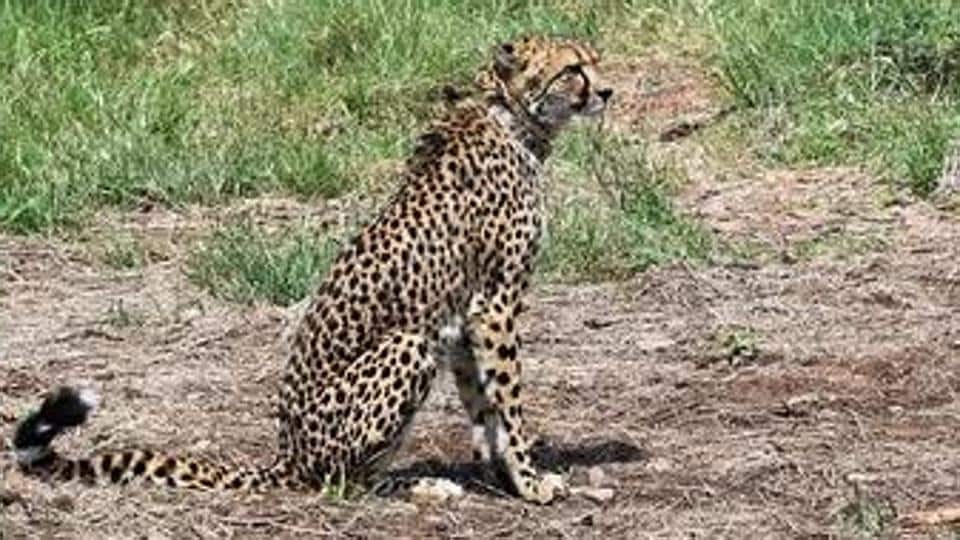
The female cheetah translocated from Namibia might have died of “septicaemia due to skin abrasion”, but it will be confirmed after the post-mortem, said a forest official, who didn’t wish to be named.
“On Wednesday morning, one of the female cheetahs Dhatri (Tiblisi) was found dead in the wild. To determine the cause of the death, post mortem is being conducted,” MP chief wildlife warden Aseem Shrivastava said.
There were two female cheetahs in the wild – Dhatri and Nirva while the other 14 cheetahs, including a cub, are in the enclosure.
“All the 14 cheetahs (07 males, 06 females and 01 female cub) kept in bomas at KNP are healthy, and their health is being regularly monitored by the team comprising of Kuno wildlife veterinarians and experts from Namibia,” Shrivastava added.
Also Read: Cheetahs Daksha, Tejas, Suraj died due to traumatic shock: Govt in Rajya Sabha
The forest officials were trying to catch them for clinical tests after the recent death of two cheetahs -- Tejas and Suraj due to infection, and three cheetahs were found infected near the radio collar due to skin abrasions.
Another cheetah, Nirva, is allegedly lost due to the malfunctioning of the radiocollar. Elephants are being used to locate her.
After the recent death of Tejas and Suraj – both African cheetahs at KNP due to alleged septicaemia due to radio collars, questions were raised on monitoring of the cheetahs at the KNP in Sheopur district, following which wildlife chief warden Jasbir Singh Chauhan, was transferred last month after a steering committee meeting on the recent deaths of the cheetah in Delhi in July.
In a statement given to the Rajya Sabha by the Union environment ministry last month, it denied any lapses and said the death of cheetahs took place due to natural reasons and reports of death due to infection because of radio collar had “no scientific evidence”.
In May, the Supreme Court had expressed concern over the death of cheetahs and asked the Centre to consider expanding their habitat in other states.
With the recent death of the female cheetah, as many as nine cheetahs, including three cubs born in India, have died at KNP in the past four months of different ailments.