E-Paper



Medical courses to be also taught in Hindi medium in MP
Earlier, Medical Education University in Jabalpur and Rajeev Gandhi Proudyogiki University in Bhopal allowed students to write exams in mixed Hindi-English language to promote learning and to end the barrier of language

 Prefer HTon Google


Madhya Pradesh education department will teach medical and paramedical courses in Hindi medium, medical education minister said on Hindi Diwas on Tuesday.
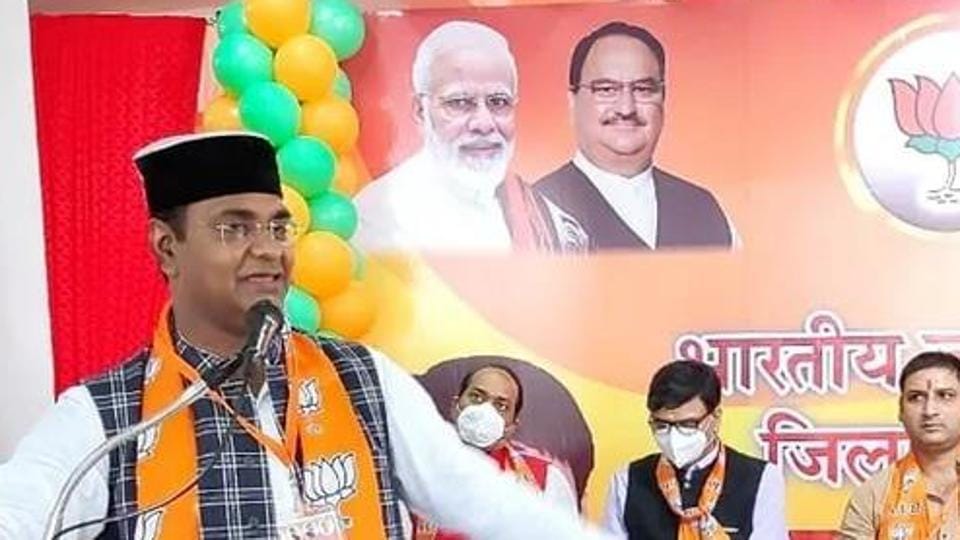
“An expert committee will be formed to decide how to introduce Hindi medium in MBBS course, nursing and other paramedical courses. It will be a joint effort of the medical education department and Atal Bihari Vajpayee Hindi University,” Vishwas Sarang said.
Earlier in 2016, Atal Bihari Vajpayee Hindi University announced engineering and medical education in Hindi. It even introduced engineering in three streams in Hindi medium but only three students took admission in the first year, and later, the university discontinued the course, and the students were shifted to private colleges to continue their engineering in English medium.
However, the university couldn’t start the MBBS course in Hindi as it didn’t get the permission from the Medical Council of India.
Now, the state government has decided to take permission for the course and the syllabus will be prepared by Hindi university, said Khem Singh Dehariya, vice-chancellor, Hindi University.
“The reason behind the failure of engineering in Hindi medium project was translation of engineering terminology in Hindi. But now, we have decided to retain the terminology of medical course from English language so that students will not find any difficulty in learning about medical education.”
Earlier, Medical Education University in Jabalpur and Rajeev Gandhi Proudyogiki University in Bhopal allowed students to write exams in mixed Hindi-English language to promote learning and to end the barrier of language. The teachers have been asked to evaluate the answers on the basis of knowledge of the subject and not the language.
Some in the Medical fraternity said that teaching medical science in Hindi will make budding doctors suffer.
“The state government should teach Hindi to students but not at the cost of English. Medicine is a vast field and doctors attend seminars organised in different countries to know about new technologies and treatment plan. Hindi medium students will suffer and will not be able to upgrade themselves. This is not a good decision,” said Dr Anurag Gupta, state president of Indian medical Association’s student wing.
The opposition also attacked the Bharatiya Janata Party (BJP)-led state government for experimenting with students’ future.
“Engineering in Hindi didn’t succeed, para-medical didn’t succeed, and now the state government wants to try one more time with MBBS courses. They shouldn’t experiment with the courses to spoil the future of students just to take their agenda ahead. Hindi is a good language and people should know it but by introducing Hindi in medical colleges they want to make the student disabled,” said JP Dhanopia, spokesperson, MP Congress Committee.
However, BJP leaders said the move was only aimed to ensure that Hindi medium students do not get disadvantaged on the basis of language of learning.
“This step is not only to promote a language but also to promote Hindi medium students, who face difficulties in learning things due to language barriers. They will get five years to learn English and understand it while gaining knowledge in their mother tongue. It is a very good step,” said Rajneesh Agrawal, spokesperson, BJP