
 E-Paper



Man-animal conflict: Dudhwa, WWF to radio-collar migratory wild elephants
The move will help establish early warning systems ahead of their movement, tracking the herd and mapping their migrating corridors

 Prefer HTon Google


The Dudhwa Tiger Reserve (DTR) authorities have drafted a project to radio-collar wild elephants, mostly those migrating from Nepal forests into Dudhwa, besides forming anti-depredation squads in the reserve.
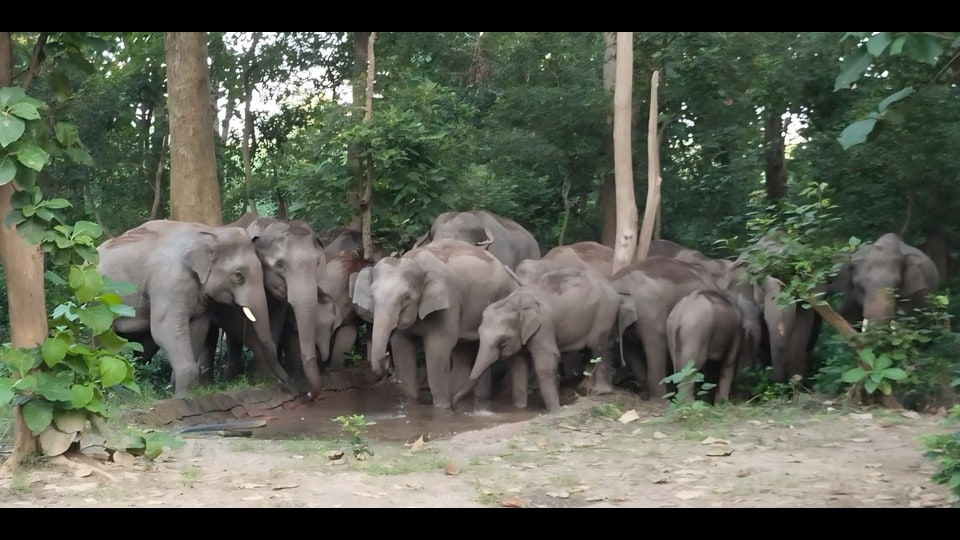
The urgency of the move was felt after a rise in incidents of human-elephant conflict leading to crop-losses and attacks on humans, following the cross-border movements of wild elephants round the year.
Three days back, two male tuskers had attacked two persons in Bhairampur village in Belrayan range of Dudhwa buffer zone, when the duo had attempted to drive them away as they guarded crops.
Shuklafanta, Bardia and Chitwan forest areas in Nepal share their boundaries with Dudhwa Tiger Reserve forests and wild elephants from these areas migrate to Dudhwa through half a dozen traditional corridors.
Radio-collaring of elephants has been earlier successfully reported in Chhattisgarh, Uttarakhand, Karnataka and Tamil Nadu.
Acknowledging the gravity of the situation, DTR authorities told Hindustan Times that radio-collaring of wild elephants will help establish early warning systems ahead of their movement, tracking the herd and mapping their migrating corridors through GPS satellite links for further study and research of their behaviour.
DTR field director Dr H Rajamohan told Hindustan Times that DTR administration in collaboration with WWF-India has started exploring ways to tame the menace of migratory wild elephants staying in Dudhwa forests round the year, raiding crops and attacking humans when resisted.
Earlier, wild elephants in different groups from Shuklafanta, Bardia and Chitwan visited Dudhwa forests after monsoons and returned to their native habitats in Nepal after a few months stay here, Dr Rajamohan said.
He added that for the last few years, it has been observed that these migratory wild elephants had tended to become residents here, creating trouble for local people, damaging their crops and sometimes attacking them.
Rajamohan said, “We will first radio-collar a matriarch elephant to track movements of her entire herd.”
A matriarch is the oldest, largest and most experienced female elephant in the herd who leads the herd and decides the defence of the group.
Rajamohan said the male tusker, who, in a group of two or more, visits and surveys the area before the arrival of the large group, will also be radio-collared. He added that radio-collaring the wild elephants, particularly in a group, is a challenging task and experts will be consulted to do the job.
Apart from this, DTR will form anti-depredation squads equipped with required resources within the reserve to tackle the human- elephant conflicts.


