E-Paper



MP woman officer takes action against illegal mining mafia, gets transferred
Her transfer order was issued three days after she seized illegally mined sand from a construction site.

 Prefer HTon Google


A woman forest officer, who reportedly took action against the illegal sand mining mafia in Chambal Wildlife Sanctuary, has been transferred from Morena to Umaria within three months of her joining, show official records, evoking strong reaction from locals, who are protesting against her transfer.
The transfer of sub-divisional officer of a forest department, Shradha Pandre, sparked protest in the district as the locals called it an injustice with an honest officer and praised her effort for curbing the illegal sand mining menace in the division.
Pandre’s transfer order was issued three days after she seized illegally mined sand from a construction site of a woman police station and the government’s pond in Morena.
“On the complaint of Pandre, an FIR has been registered against the sub-divisional officer and sub-engineer of Police Housing Board and two contractors for using illegal sand for the construction of the police station. In a matter of using illegally mined sand for construction of a wall of the pond, police are investigating,” said Rai Singh Narwariya, additional superintendent of police, Morena, adding that no FIR has been lodged.
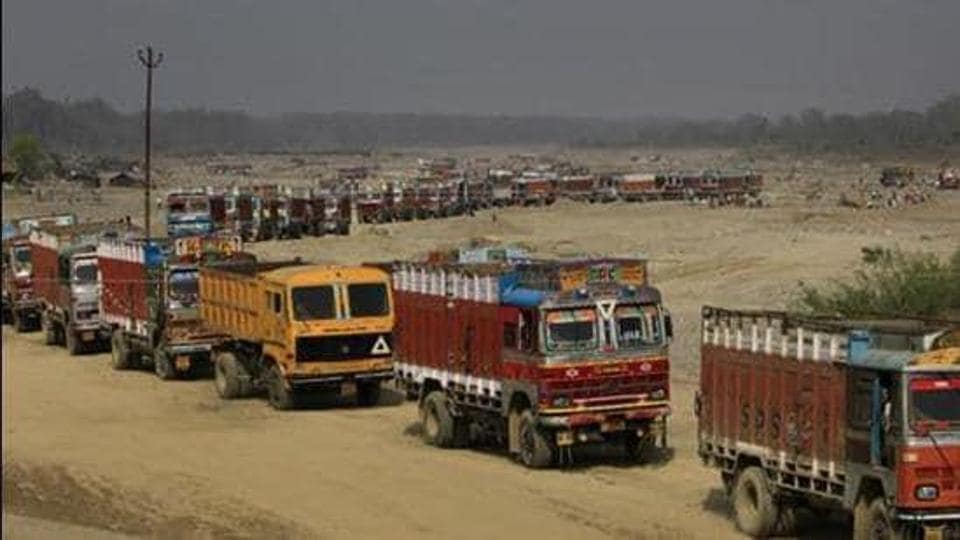
Pandre was attacked by the mining mafia at least 11 times and registered the complaint at a different police station. Pandre seized more than 80 tractor-trolleys and trucks laden with illegally mined sand worth lakhs of rupees.
“She was a hardworking officer and we really saw a curb in illegal sand mining in Chambal Sanctuary, which has been going on since 2007,” said Sudhir Sapra, an environmentalist and local activist.
“The transfer of Pandre proved her accusation that mining mafias are getting the support of police and local administration in Chambal division. She has been punished for being an honest officer. We will stage protest against this order,” said Satendra Singh Tomar, a social activist from Morena, who is running a campaign on social media against the Pandre’s transfer.
The opposition leaders also attacked the BJP-led state government for patronizing the mining mafia. Former minister and Congress MLA Govind Singh said, “In Chambal division, police and district administration are patronizing the mining mafia. Huge money is involved in it. They are spoiling the environment and Chambal Sanctuary for money. We will not keep mum against this injustice with a woman forest officer. We will expose the state government for punishing honest officers.”
However, state minister of urban development and housing OPS Bhadoria said, “Pandre transfer is a routine practice. We appreciate her effort to stop illegal mining but the accusation against the government and police are baseless. Police officers are also working hard and taking action against the mafia.”
“Congress leaders shouldn’t say anything about the transfer as we all know that during their tenure of 15 months, then Congress government only focused on transfer posting business,” he added.
Morena, superintendent of police, Lalit Shakyawar said, “It is wrong to blame the police. Police are taking action against the mafia. Even we requested Shradha Pandre to inform the police before taking any action against mafia so that enough police force could send for protection but she hardly paid any attention to our request.”
Despite repeated attempts, Pandre couldn’t be contacted. On Facebook, she had posted, “The transfer is a normal practice for me as whenever I took a tough action against the mafia, I had to face this. Earlier too, I was transferred for the same reason.”
The Supreme Court order banned sand mining in Chambal Wildlife Sanctuary in 2007 but illegal sand mining still takes place. Every day, at least 100 dumpers and 1,000 tractor trolleys are used for transportation of illegally excavated sand from Chambal, claimed locals.