
 E-Paper



Himachal: Devotee donates ₹8 lakh in ₹2,000 notes at Jawalaji Temple
When the temple authorities counted the offerings on May 21, they found four bundles of 100 notes each of ₹2,000 each, which indicates the donation was made by a single person

 Prefer HTon Google


Two days after the Reserve Bank of India (RBI) announced the withdrawal of ₹2,000 banknotes from circulation, the authorities at Jwalaji Temple in Kangra district found 400 notes of the denomination in its donation box.
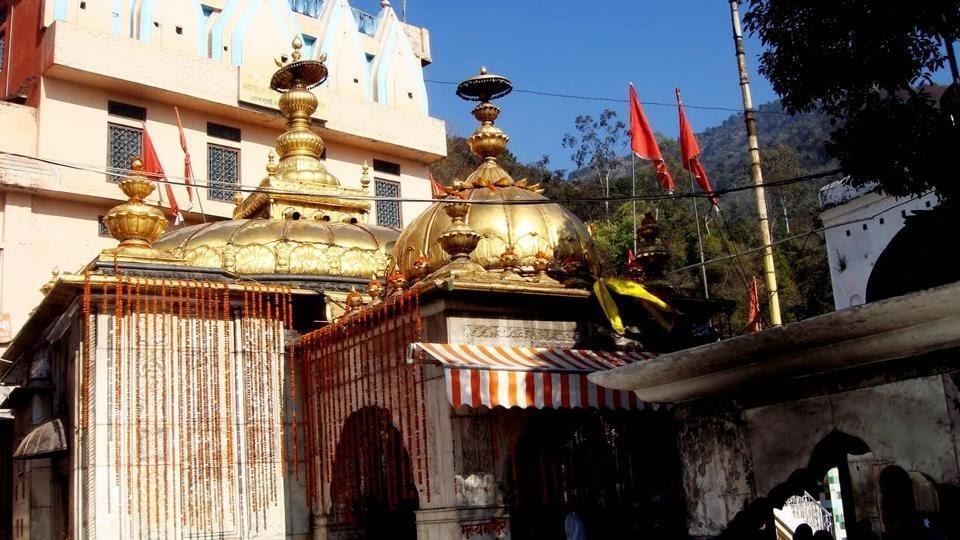
The currency notes were found in one of the donation boxes installed at the main temple. The devotee, who made the donation, remains anonymous.
Kapil Sharma, the priest and a member of the Jwalaji Temple Trust, said that the offering was made on May 20.
When the temple authorities counted the offerings on May 21, they found four bundles of 100 notes each of ₹2,000 each, which indicates that the donation was made by a single person, he said.
The devotees had donated offerings worth more than ₹11.32 lakh in cash on that day apart from 770g of silver.
The cash offerings included ₹8 lakh in the denomination of ₹2000, ₹2.2 lakh were in the denomination of ₹500, ₹27,000 in the denomination of ₹200 and ₹1.3 lakh in the denomination of ₹100 notes.
The rest of the cash offerings were in smaller denominations.
Sharma said people visit Jwalaji Temple in large numbers in summer and offer donations in cash and kind. “This is for the first time that a devotee has offered such large number of notes of the highest denomination. We pray for the well-being of all devotees,” he said.
The ₹2,000 denomination bank note was introduced in November 2016 after the Narendra Modi-led central government demonetised ₹500 and ₹1,000 notes.
According to the RBI, the objective of introducing ₹2,000 notes was met once banknotes in other denominations became available in adequate quantities.
The RBI had stopped the printing of ₹2,000 banknotes in 2018-19. Jwalajii or Jwala Devi temple is one of the 51 Shaktipeeths of India and situated in the Shivalik range of Kangra valley called Kalidhar. The temple is believed to have been built by the Pandavas.
The temple is dedicated to the Goddess of Light, and it is believed that Goddess Sati’s tongue fell at the place where the temple is now located.
There is no deity or idol that is worshipped, but perpetually burning natural flames.


