
 E-Paper



7.5 lakh MT paddy procured: Kataruchak
The minister said during the paddy procurement season 2026-27, a target of procuring 180 lakh metric tonnes of paddy had been fixed and the farmers’ crop was being purchased at ₹2,461 per quintal

 Prefer HTon Google


Paddy procurement is going on smoothly throughout the state and 8.50 lakh metric tonnes of paddy has arrived in the grain markets of Punjab, out of which 7.50 lakh metric tonnes has been procured by various government procurement agencies.
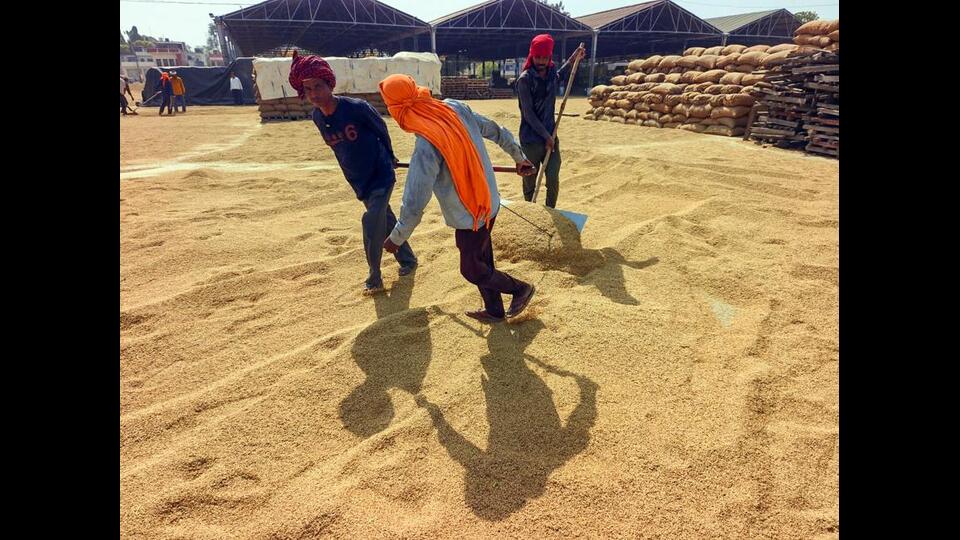
State food, civil supplies and consumer affairs minister Lal Chand Kataruchak shared this while reviewing the paddy procurement arrangements at Jagraon grain market. He was accompanied by Jagraon MLA Sarvjit Kaur Manuke.
The minister said during the paddy procurement season 2026-27, a target of procuring 180 lakh metric tonnes of paddy had been fixed and the farmers’ crop was being purchased at ₹2,461 per quintal. He said a Cash Credit Limit (CCL) of ₹42,786.68 crore had been released by the Reserve Bank of India for paddy procurement, ensuring immediate and hassle-free payment to farmers after purchase.
Kataruchak assured that the Punjab government will procure every single grain of the crop and no one will be allowed to bring paddy from other states into Punjab’s mandis. He said no difficulty will be allowed to be faced by farmers and arhtiyas during the procurement season, adding that payment for the procured crop was being made into the farmers’ bank accounts within 24 hours.
He said he was visiting various grain markets across Punjab to review the procurement arrangements and Ludhiana was his 11th district.
Khudian urges farmers to stop burning paddy stubble
State agriculture minister Gurmeet Singh Khudian also urged farmers to stop burning paddy stubble and support green biomass management.
Addressing the kisan mela held in Bathinda, Khudian said the state government had made elaborate arrangements for disposal of crop residue. He urged the farming community to follow the Punjab Agricultural University experts’ advisories when selecting seeds, fertilisers and pesticides to control input costs.


