
 E-Paper



Bathinda singes at 47 degrees as heatwave sets in, no relief in sight
The India Meteorological Department has predicted mainly clear skies over the next week, which could further intensify daytime heat


After intermittent relief brought by Western Disturbances, sustained clear weather paved the way for a heatwave, leaving several stations across Punjab and Haryana reeling under intense heat on Monday.
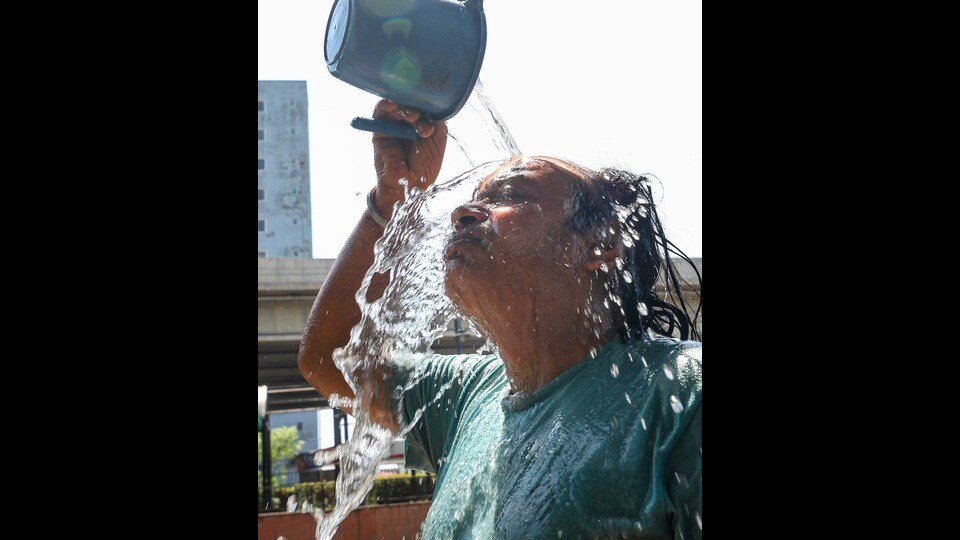
No immediate respite is in sight, as the India Meteorological Department (IMD) has issued a yellow alert for heatwave conditions till May 24, warning that temperatures could rise further by 1-2 degrees Celsius over the coming days as clear skies persist.
Bathinda emerged as the hottest place in Punjab, recording a blistering maximum temperature of 47°C. Faridkot also braved the heat at 46.4°C while Patiala sizzled at 44°C.
The day temperatures in Fazilka, Ludhiana and Amritsar were in the same ballpark, with readings of 42.6°C, 42.2°C and 42°C, respectively.
According to IMD, Punjab’s average maximum temperature rose by 2.3°C compared to the day before and remained 3.1°C above normal.
In Haryana, Sirsa, located on the Rajasthan-Punjab border, was the hottest, with a maximum temperature of 46.2°C. Rohtak followed at 45.2°C, with Hisar (44.4°C), Narnaul (44.3°C) and Bhiwani (44°C) also close behind.
According to IMD, there was a rise of 1.9°C in average maximum temperature in Haryana over the past 24 hours, taking it 2.9°C above normal.
Chandigarh, the common capital of the two states, recorded 42°C.
Weather experts attributed the sharp rise in temperatures to persistent dry and hot northwesterly winds prevailing over northwest India. Large parts of northwest India – including Punjab and Haryana – are expected to remain under the influence of these hot winds this week, keeping maximum temperatures in the range of 43°C to 47°C in several cities.
Meteorologists said the current conditions resemble prolonged pre-monsoon heat episodes, with heat stress increasing significantly during afternoon hours. The absence of cloud cover and rainfall has further aggravated conditions.
The IMD classifies a heatwave in plains when the maximum temperature touches at least 40°C and the departure from normal is between 4.5°C and 6.4°C. A severe heatwave is declared when temperatures depart from normal by 6.5°C or more, or when actual maximum temperature exceeds 47°C.
IMD officials indicated that no significant weather systems were likely to bring respite in the immediate future, suggesting that residents may have to endure several more days of oppressive heat before any moderation in temperatures occurs.
Amid intensifying heat across the state, the Punjab labour department has directed construction companies, factories and employers to take urgent measures to safeguard labourers and workers from extreme temperatures. The directions are learned to have been issued following a communication from the Union ministry of labour and employment.
Among the key directives, the employers have been advised to avoid assigning outdoor work between 12 pm and 4 pm, considered the hottest part of the day. Authorities have also recommended slowing down the pace of work or deploying additional workers to reduce prolonged exposure to extreme heat.
The advisory mandates provision of shaded rest areas, temporary shelters, adequate drinking water, Oral Rehydration Solution (ORS), emergency medicines and cooling facilities at workplaces. Employers have also been asked to increase the frequency and duration of rest breaks for outdoor workers, recommending at least a five-minute break after every hour of labour work.
Workers have been advised to wear light-coloured clothing with full sleeves, cover their heads while outdoors and stay hydrated. The department also suggested providing lemon water, lassi or fruit juices with added salt to help workers cope with dehydration.
The labour department highlighted symptoms of heat stress, including dizziness, fainting, nausea, headache, extreme thirst, reduced urination and rapid heartbeat, urging employers to train workers to recognise early warning signs of heat-related illnesses. Pregnant workers and those with existing medical conditions have been advised to consult doctors before working in high temperatures.
The advisory further calls for awareness campaigns at labour chowks and public places, along with the installation of weather forecast displays and the dissemination of educational material on heatwave risks. Construction companies and worksites across Punjab have been directed to implement these measures immediately.
The Office of the Labour Commissioner, Punjab, has instructed all assistant labour commissioners, labour-cum-conciliation officers, deputy directors of factories, assistant directors of factories and labour inspectors to ensure strict compliance with heat protection measures.


