
 E-Paper



BJP banks on mathematics, not chemistry in Punjab
Even when the alliance talks with SAD were on, there was already churning in the BJP, especially among the old guards, who were of the opinion that the party stood to gain not much from an alliance with the Akalis, whom they think has lost the support of its traditional voters — Jat-Sikhs and peasantry.

 Prefer HTon Google


The Bharatiya Janata Party’s (BJP) decision not to rekindle the alliance with Shiromani Akali Dal (SAD) in Punjab is based on shrewd poll calculations that relied on cadre feedback which was vehemently against a tie-up with a ‘weakened’ old ally.
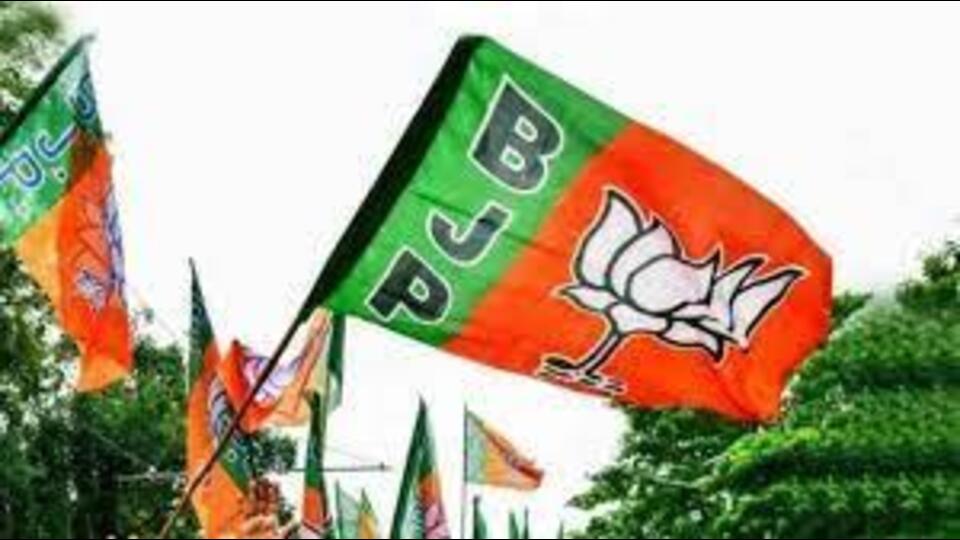
Even when the alliance talks were on, there was already churning in the BJP, especially among the old guards, who were of the opinion that the party stood to gain not much from an alliance with the Akalis, whom they think has lost the support of its traditional voters — Jat-Sikhs and peasantry.
“We would not have gained much from the alliance. Moreover, every party worker at the ground level was opposed to this idea because Akalis are an irrelevant political force in Punjab. It’s good that high command has respected the sentiments of workers,” said Dr Subhash Sharma, state unit vice-president of the BJP.
Going into upcoming Lok Sabha polls, the party also found the tough terms for alliance put forward by SAD a hurdle and is now eyeing to make inroads in Punjab politics and has nothing to lose on the ground, although leaders like former chief minister Capt Amarinder Singh and state BJP chief Sunil Jakhar were openly advocating for an alliance.
Electorally, the saffron party was at its best a margin player in the state, with its cadre present in the urban areas. With its old ally, SAD, it fought just three seats in general elections and 23 out of 117 in assembly polls.
In the last six general elections, since 1998, it has contested only three seats of Amritsar, Gurdaspur and Hoshiarpur, while in Vidhan Sabha, it remained restricted to just 23. In the 2022 assembly polls, when BJP went alone for the first time, it performed well in the urban areas, although it had just two seats to show for it. This time it is the general election that BJP leader said the party is banking on Prime Minister Narendra Modi.
Since 2020, the BJP state unit has seen a wave of inductions after the Akalis broke away from the alliance stitched way back in 1996 over (now repealed) three farm laws. The saffron party has seen an inclusion of a significant number of leaders, especially Sikh prominent faces— Capt Amarinder Singh, former ambassador to the US Taranjit Singh Sandhu and recently Congress MP from Ludhiana Ravneet Bittu.
The party is also hoping that the present farmer stir would have little to no impact and that the party will be successful in conveying to the general public, especially its core base of urban and industrialist voters that “few forces are always hell-bent on showing BJP in poor light”.
“If you compare us with the 2022 assembly polls, we have many more Sikh faces now. The way PM Modi has been reaching out to the Sikh community has appealed to a section of the community as well and one cannot ignore this fact,” said a Sikh leader who is a general secretary in the state unit.
4 way contest can work in party’s favour
Going solo the party also aims to boost its credential of being a significant fourth player in a direct contest with Congress, Aam Aadmi Party and Akalis.
“The party expects to do much better in these elections as compared to the Vidhan Sabha elections. The party’s primary focus will remain on the urban Hindu voters, which the party expects to rally around the party like never before. In a four-cornered contest, the non-Hindu votes are likely to get divided in four places,” a former minister and a senior BJP leader said on the condition of anonymity.
Modi factor, with eyes on 2027 state polls
As per a party leader even though the alliance talks were on with the SAD the BJP held brainstorming sessions separately to analyse the party’s poll prospects in the state in case and ultimately decided to go solo.
During the consultations on the feedback received from the party cadre and Punjab leaders, the BJP leader, quoted above, said that there is a strong wave in the country in favour of the party and Prime Minister Narendra Modi and contesting alone would further strengthen the party for 2027-assembly polls.
“Several key issues, including the pran pratishtha ceremony of Ram Mandir, good work done by Modi, especially regarding the road network in Punjab and increased vote share of the party in the Sangrur and Jalandhar parliamentary bypolls, the polarization of the Hindu voters in Punjab, party leadership thinks BJP can get a significant vote share in the Lok Sabha polls in Punjab. This would subsequently consolidate the party’s base in the Punjab in the run-up to the 2027 assembly elections, the leader claimed.
In the Sangrur bypolls, the BJP candidate finished fourth, whereas the Akali Dal candidate was at number five. The saffron party ended up securing almost 22,000 more votes than its old ally Akali Dal.
Likewise, in the Jalandhar Lok Sabha bypoll, the party managed to make its mark by not only getting a 15.91 % vote share but also successfully managing to take the lead in Jalandhar Central and Jalandhar North assembly constituencies.
“The welfare schemes for the people of the state have made the BJP one of the leading parties of Punjab and in the coming elections the party would demonstrate its strength and the vision of the Prime Minister winning a majority of the Lok Sabha seats,” claimed Tarun Chugh, national general secretary of the party.


