
 E-Paper



BJP MP Ramvir Bidhuri apologises to Akal Takht for visiting Sajjan Kumar’s house
In a letter dated September 5, addressed to Akal Takht acting jathedar Kuldeep Singh Gargaj, Bidhuri said he had gone to Kumar’s residence at the suggestion of some colleagues following his death

 Prefer HTon Google


BJP MP from South Delhi Ramvir Singh Bidhuri has apologised to the Akal Takht for visiting the residence of former Congress leader Sajjan Kumar after his death, saying the visit was a “mistake” and that he deeply regretted it, the Takht secretariat said on Thursday.
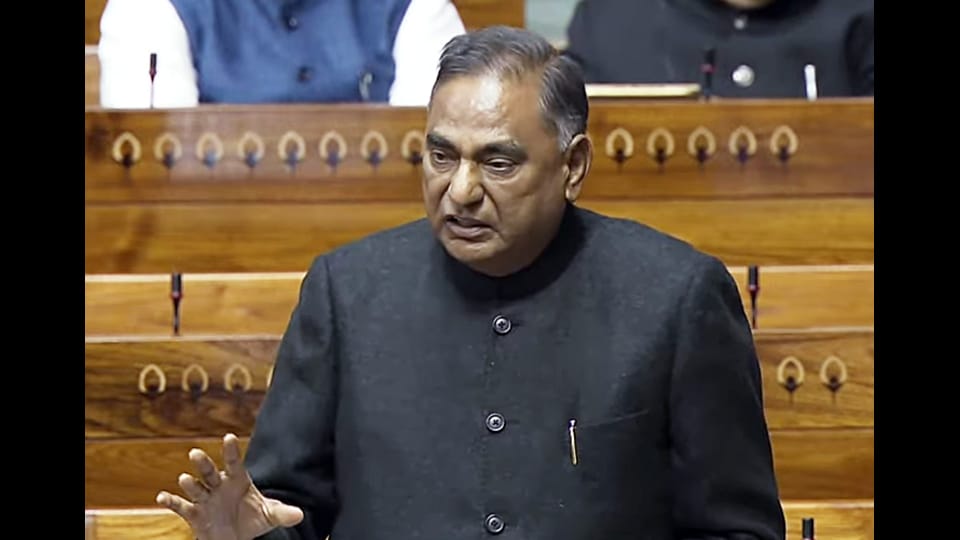
In a letter dated September 5, addressed to Akal Takht acting jathedar Kuldeep Singh Gargaj, Bidhuri said he had gone to Kumar’s residence at the suggestion of some colleagues following his death. He sought forgiveness from the highest Sikh temporal seat and emphasised that he had never sympathised with Kumar, whom he said he had always regarded as responsible for the 1984 anti-Sikh violence.
Bidhuri cited his earlier opposition to Kumar, recalling that in 1993 he had accompanied several prominent personalities to submit a memorandum to the President seeking action against HKL Bhagat and Sajjan Kumar over the 1984 violence. He also recalled publicly demanding Kumar’s imprisonment at a 1996 Congress function.
Bidhuri, in his letter, also highlighted his long public association with the Sikh community and requested the Akal Takht jathedar to accept his apology.
The apology follows a political controversy over Bidhuri and two other BJP MPs—Yogender Chandolia and Kamaljeet Sehrawat—visiting Kumar’s family after his death. BJP national president Nitin Nabin summoned the three MPs and expressed displeasure over their visit.
Punjab BJP president Kewal Singh Dhillon had termed the visit “painful and unfortunate”, saying sympathy should be reserved for the victims and their families. Kumar, 80, died on August 20 while serving life sentences in Tihar Jail in cases relating to the 1984 anti-Sikh riots.


