
 E-Paper



Chandigarh: New facilities started at GMCH-32
A new virus research and diagnostic laboratory was inaugurated at GMCH-32; so far, Covid tests were being conducted in the old lab, but this advanced lab will further help in Covid management

 Prefer HTon Google


Chandigarh adviser Dharam Pal inaugurated new medical facilities at the Government Medical College and Hospital (GMCH), Sector 32, on Thursday as the medical institute celebrated its 30th annual day.
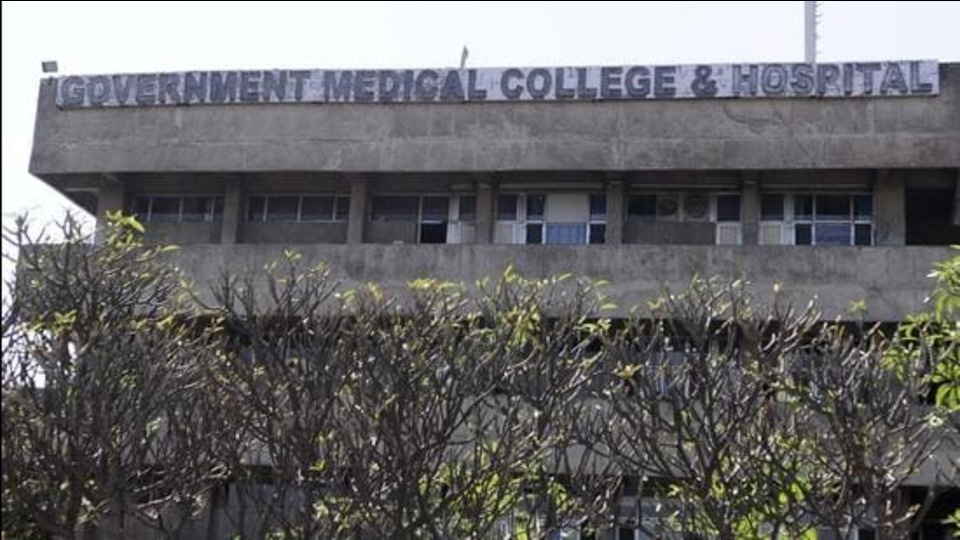
“A new virus research and diagnostic laboratory (VRDL) was inaugurated at the hospital. So far, Covid-19 tests were being conducted in the old lab, but this advanced lab will further help in Covid management. Also, an OPD at the pulmonary medicine department has also been started. To provide comprehensive treatment to patients suffering from respiratory patients, a separate respiratory intensive care unit (ICU) has been established at Level-V, Block-A”, said Dr Jasbinder Kaur, director-principal of GMCH-32.
Dr Kaur added, “To meet the National Medical Council requirement, a new skill lab has been established, in which the undergraduate and postgraduate students will boost their skills.”
The construction work of a 200-bedded emergency-cum-trauma block is also underway at the hospital. Besides, a 300-bedded mother and child care centre has been added to the UT’s priority list.
Meanwhile, Pal congratulated the medical college’s faculty and staff for their valuable contribution in providing quality healthcare facilities and managing the pandemic. Besides, he drew attention towards pressing healthcare requirements, including shortage of doctors, the need to curb growing menace of non-communicable diseases and adoption of hygiene and sanitary practices.


