
 E-Paper



Chandigarh: PGIMER sees 60 childhood myopia cases every month
The week-long awareness campaign began with a creative colouring competition for young patients visiting the paediatric ophthalmology OPD, followed by extensive parent engagement through pamphlet distribution and counselling on early detection


The Advanced Eye Centre at the Postgraduate Institute of Medical Education and Research (PGIMER), Chandigarh, has sounded the alarm over a steep rise in childhood myopia, revealing fresh data that reflects a worrying national and global trend. As part of the National Myopia Awareness Week, the paediatric ophthalmology Division reported that it is now examining 50–60 new paediatric myopia cases every month, and 43% of these children are already high myopes—a stage associated with significant risk of sight-threatening complications later in life.
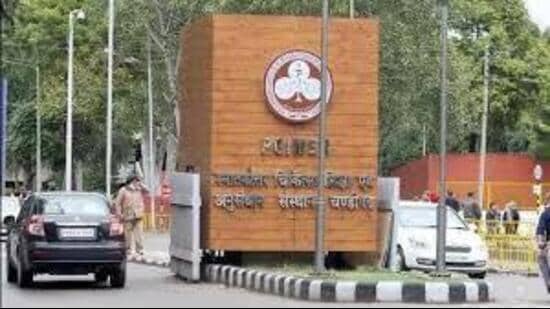
The week-long awareness campaign began with a creative colouring competition for young patients visiting the paediatric ophthalmology OPD, followed by extensive parent engagement through pamphlet distribution and counselling on early detection. Specialists highlighted the growing connection between childhood myopia and lifestyle patterns dominated by excessive screen exposure and limited outdoor activity.
Dr Jaspreet Sukhija, professor, paediatric ophthalmology services, said the numbers were a strong indicator of an escalating public health concern. “We are seeing a steady rise in new myopia cases among children, and the proportion of high myopia—nearly half—is especially concerning. High myopia increases the risk of retinal detachment, glaucoma and other complications in adulthood,” she said.
PGIMER’s findings mirror wider national projections that foresee one in three urban Indian children becoming myopic by 2030, with prevalence expected to rise to 48% by 2050. Global studies too warn of a surge driven by prolonged indoor activities and early smartphone use.
The paediatric ophthalmology division, staffed by a team of four specialists — Dr Jaspreet Sukhija, Dr Srishti Raj, Dr Shweta Chaurasia and Dr Savleen Kaur — is at the forefront of both clinical care and ongoing research on childhood myopia. The experts stressed the need for timely eye examinations, especially for children with a family history of refractive errors.
They also advocate lifestyle changes that help prevent or slow progression - including limiting screen time and increasing outdoor activity. “There are various clinical interventions like low-dose atropine or specialised smart glasses that are now available to slow the progression of myopia,” said the expert.


