
 E-Paper



Chandigarh: AI, critical care, disaster preparedness in focus on Day 1 of NAMSCON at PGIMER
The scientific sessions began with a CME-cum-workshop on critical care and disaster management, where experts underscored the importance of building resilient first-response systems and hospital readiness in managing mass emergencies and public health crises


The 65th Annual Scientific Conference of the National Academy of Medical Sciences (NAMSCON 2025) commenced at PGIMER on Friday, bringing together over 300 distinguished medical professionals, researchers and academicians for three days of scientific deliberations and academic celebration.
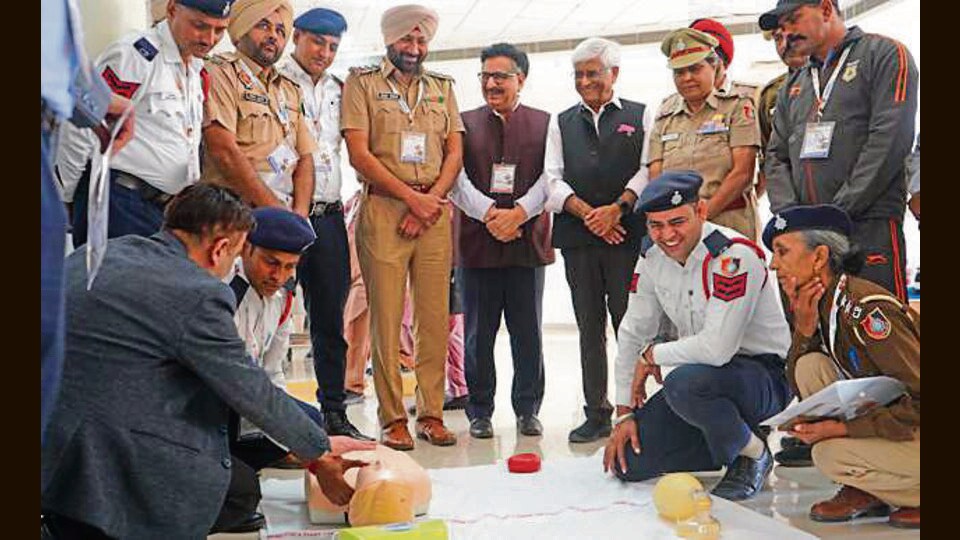
Discussions on artificial intelligence, critical care and disaster preparedness were held on the first day of conference.
The scientific sessions began with a CME-cum-workshop on critical care and disaster management, where experts underscored the importance of building resilient first-response systems and hospital readiness in managing mass emergencies and public health crises. Participants engaged in scenario-based discussions that blended critical care expertise with real-world disaster management strategies.
The session on health technology assessment (HTA) brought together clinicians, policymakers and researchers to deliberate on evidence-informed decision-making in healthcare. Speakers emphasised that HTA was central to rationalising medical innovation and ensuring equitable access to cost-effective treatment technologies.
Adding a futuristic edge, the session on Artificial Intelligence and OMICS technologies delved into their transformative role in combating antimicrobial resistance and enhancing diagnostic precision. Experts showcased how AI-driven analytics and genomic platforms are reshaping the future of personalised medicine.
PGIMER director Dr Vivek Lal said, “The first day vividly demonstrated how technology, innovation and empathy can coexist to shape the future of healthcare. Each session reaffirmed the core values of our medical fraternity—scientific rigor, service to humanity and the drive to translate knowledge into impact. It is a privilege for PGIMER to host a congregation of minds that represent the finest in Indian medicine.”
Dr Lal further added that the collaboration between PGIMER and NAMS exemplified a shared vision to advance healthcare education and research that was not only cutting-edge but also inclusive and humane.


