
 E-Paper



Dog bite cases surge in Punjab, 1.5 lakh cases reported in first 6 months
The data, accessed by HT, has revealed a steady jump in cases over the past few years. From 1.10 lakh cases reported in 2020, the number of dog bite cases has gone up to 2.13 lakh in 2024, a rise of more than 1 lakh in four years. Three deaths have been reported this year.

 Prefer HTon Google


With an average of around 840 dog bite cases reported daily, Punjab has witnessed a sharp increase in incidents this year. In the first six months of 2025, the state has recorded over 1.5 lakh dog bite cases, with Amritsar, Ludhiana, and Patiala being as the worst-affected districts, accounting for nearly 36% or 53,432 cases.
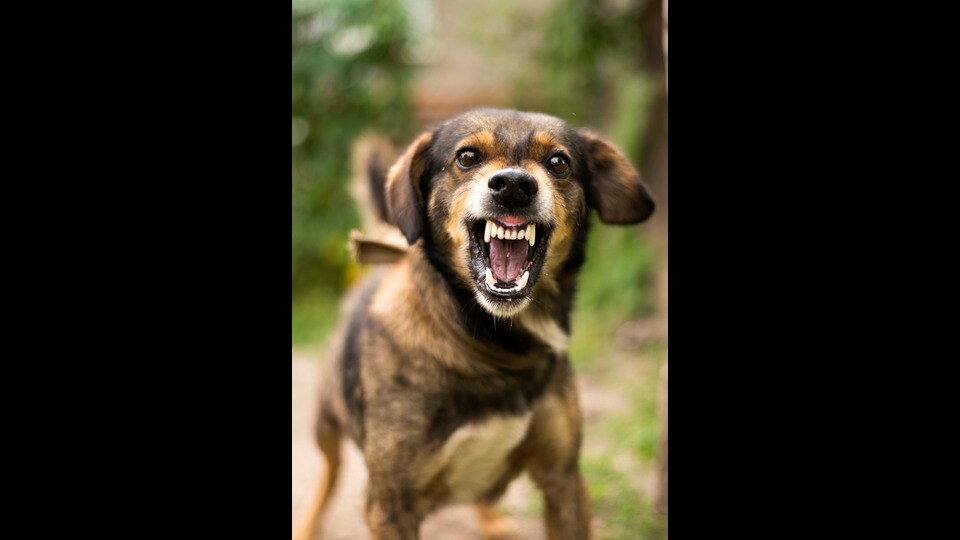
Last year, the state reported a total of 2.13 lakh dog bite cases.
The data, accessed by HT, has revealed a steady jump in cases over the past few years. From 1.10 lakh cases reported in 2020, the number of dog bite cases has gone up to 2.13 lakh in 2024, a rise of more than 1 lakh in four years. Three deaths have been reported this year.
Last month, a mother-daughter duo died of rabies in Pathankot, and on July 17, a 32-year-old man succumbed in Patiala after being bitten by a stray dog.
Dr Sumeet Singh, district nodal officer of the National Rabies Control Programme, said that rabies is 100% fatal.
“Of the total cases of dog bites, nearly 70% of the cases were from stray dogs. People should immediately rush to the nearest government health centres for treatment, which is free. People should not be ignorant at all. Punjab government has now extended treatment of dog bite cases to all the Aam Aadmi Clinics across the state,’ he said.
Failure of sterilisation programmes
The senior officials from the local bodies department admitted that the animal birth control (ABC) programme has failed to deliver the desired results across Punjab, particularly in major cities.
“Most of the municipal corporations in Punjab have outsourced the sterilisation of dogs to private agencies, but this has not yielded effective outcomes. Sterilisation remains the only scientifically proven method to control the stray dog population and, in turn, reduce dog bite incidents,” said a senior official, who didn’t wish to be named.
An expert epidemiologist said that of the total dog bite cases, more than 50% of patients had grade-3 wounds, who needed immunoglobulin to be administered before the dog bite vaccine, said the epidemiologist.
A grade-3 dog bite is a single or multiple transdermal bite with contamination of the mucous membrane with saliva.
“The grade-3 bite requires anti-rabies serum (ARS) before the anti-rabies vaccine, to make the dose effective. Without ARS, the vaccine is of no use as the victim may die within a few days,” the expert said.
Patiala municipal corporation commissioner Paramvir Singh said after seeing a rise in the cases, they have stopped outsourcing the sterilisation programme.
“Instead of giving a contract for the sterilisation of stray dogs to a third party, we have decided to carry it out ourselves. We have got three veterinary surgeons with us, and we will sterilise 50 dogs per day in the coming weeks,” he said.
Dr Sandeep Jain, co-opted member, Animal Welfare Board of India, said a lack of follow-up and accountability in sterilisation efforts has seen a sharp rise in the dog population.
“In rural areas, panchayats are not involved in the ABC programme. There is no accountability in rural and semi-urban areas. In rural areas, stray dogs get used to eating animal flesh because of designated places for the disposal of dead animals. If these strays don’t get animal flesh, they start biting people. If the government sterilises 70% of the stray dog population in a year, then dog bite cases will start to decline,” he said.
No SOP for dog bite compensation
The Punjab health department is yet to issue standard operating procedures (SOPs) for the government doctors on whose diagnosis the compensation for dog bite cases would be fixed.
The department had constituted a five-member committee to formulate SOPs following the order of the Punjab and Haryana high court, last year, announcing the compensation of ₹10,000 for each tooth mark and that of ₹20,000 for every 0.2 cm of wound where the flesh is torn off.
One of the five committee members, pleading anonymity, told HT that they had already formulated the SOP, but the department did not issue it to the doctors.
Dr Arshdeep Kaur, state nodal officer, did not respond to repeated calls and text messages.


