
 E-Paper



Eight women die of cancer daily in Punjab
Over the past five years, 13,299 women in the state have succumbed to cancer, with breast cancer emerging as the leading cause of death

 Prefer HTon Google


Punjab sees nearly eight women dying of cancer every day, with around 2,700 fatalities annually, according to the data shared by the Union health ministry in the Rajya Sabha during the recent session of Parliament.
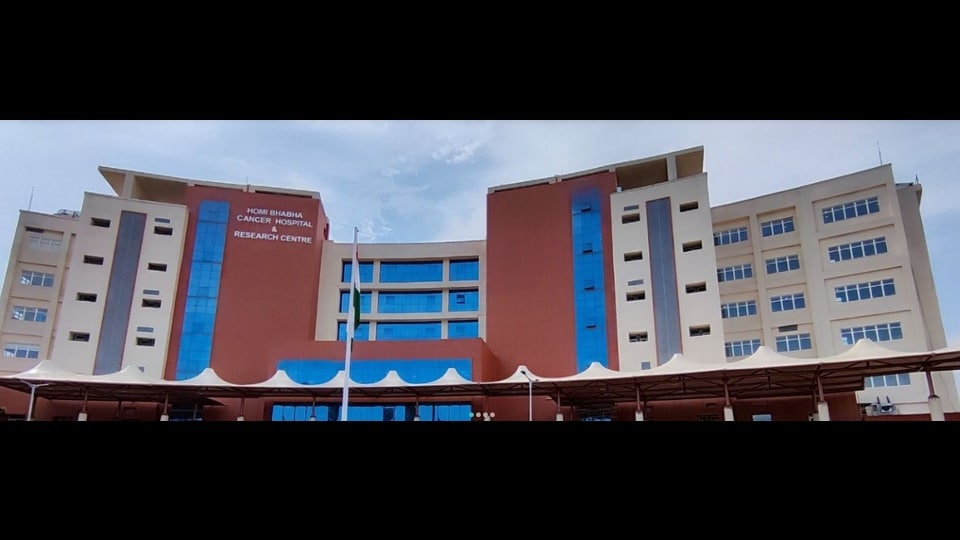
Over the past five years, 13,299 women in the state have succumbed to cancer, with breast cancer emerging as the leading cause of death, followed by cervical and ovarian cancers.
The data, compiled by the National Centre for Disease Informatics and Research under the National Cancer Registry Programme, also shows a worrying trend. In Punjab, breast cancer accounted for 56% of female cancer deaths — 7,186 out of 13,299 cases between 2021 and 2025. Cervical cancer caused 3,502 deaths, while ovarian cancer led to 2,611 fatalities.
In Haryana, breast cancer deaths rose from 1,652 in 2021 to 1,738 in 2025, while Himachal Pradesh saw an increase from 433 to 442 during the same period.
Cervical cancer deaths also showed an upward trend across the region. In Punjab, fatalities increased from 691 in 2021 to 710 in 2025, while Haryana saw a rise from 1,148 to 1,208. Himachal Pradesh reported a marginal increase, from 163 to 166 deaths over the same period.

Medical experts say that breast cancer occurs when abnormal cells grow uncontrollably in the breast, forming tumours that can spread if untreated. Early detection, including monthly self-examination, can significantly reduce mortality. Cervical cancer, caused primarily by persistent human papillomavirus (HPV) infection, is largely preventable through vaccination and regular screening.
Dr Raja Paramjit Singh, professor of radiation oncology at Government Medical College, Patiala, said the rise in cases among younger women is concerning. “Earlier, most breast cancer cases were diagnosed in women above 50 or 60. Now, many are detected in women aged 40-45,” he noted. Risk factors include early menstruation, late menopause, not having children and a sedentary lifestyle. Dr Singh also emphasised that breastfeeding can lower the risk.
To tackle the growing cancer burden, the Union ministry of health is providing technical and financial support under the National Programme for Prevention and Control of Non-Communicable Diseases. In a written reply, the Union ministry of health and family welfare said a total of 297 new district day-care cancer centres have been approved, alongside new state cancer institutes and tertiary care facilities. Nationwide screening for individuals over 30 has also been rolled out, with 19 state cancer institutes and 20 tertiary centres operational, plus cancer treatment facilities in all 22 new AIIMS campuses.


