
 E-Paper



Faulty meter: Ombudsman directs PSPCL to ‘revise’ eatery owner’s ₹13-lakh bill
The issue came to the light when complainant repeatedly lodged complaints regarding unusual billing patterns and the absence of accurate meter readings

 Prefer HTon Google


Highlighting yet another alarming case of faulty billing practices, the Punjab electricity ombudsman has come down heavily on the Punjab State Power Corporation Limited (PSPCL) for issuing an inflated electricity bill (demand notice) of ₹12.82 lakh to a Ludhiana based restaurant owner Ankit Aggarwal, after allowing a defective electricity meter to run unchecked for nearly six months.
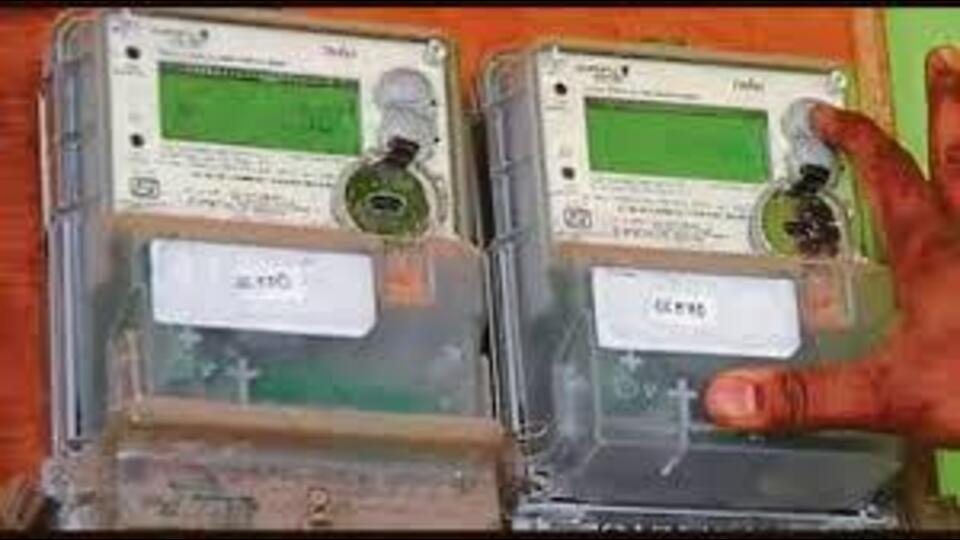
According to Ombudsman, Aggarwal’s electricity meter had stopped recording readings properly in June 2024. Despite this, PSPCL failed to replace the faulty device within the mandatory 10 to 15 days as required under the Punjab State Electricity Regulatory Commission (PSERC) guidelines. Instead, the utility continued to generate bills based on the malfunctioning meter, causing months of irregular billing.
The issue came to the light when Aggarwal repeatedly lodged complaints regarding unusual billing patterns and the absence of accurate meter readings. These complaints prompted PSPCL staff to conduct a physical inspection of the meter, which confirmed that it was indeed defective.
However, it was only in December 2024, nearly six months after the problem first surfaced, when the faulty meter was finally replaced. During this entire period, Aggarwal continued paying the average monthly bills sent by PSPCL, assuming them to be correct and reflecting actual consumption.
The problem escalated after the defective meter was removed. After this, PSPCL retrieved the stored readings from the faulty device and treated them as accurate, despite the known malfunction. Using this data, the department recalculated Aggarwal’s consumption and claimed that more than 1.5 lakh units had remained “unbilled” during the period when the meter was not functioning properly. Based on this calculation, the department issued an abrupt and massive demand notice of ₹12.82 lakh, leaving the consumer aggrieved.
Observing these findings, the Ombudsman criticised this approach, calling it unfair and unjust, noting that readings from a defective meter cannot be used as a basis for such an enormous bill.
The body further pointed out that PSPCL’s delay in replacing the meter had directly caused “harassment and inconvenience” to Aggarwal. It emphasised that prompt action in replacing the meter would have prevented confusion and avoided the issuance of inflated bills.
Taking strict cognisance of the matter, the Ombudsman has now directed PSPCL to revise Aggarwal’s bills. The revised bills must be calculated strictly according to the rules for faulty meters, which means that charges should be based on the restaurant’s past normal consumption rather than the erroneous data from the defective device.


