
 E-Paper



Fear of isolation, death drives Ambala’s rural population away from testing
Haryana Villagers’ General Health Checkup Scheme’s nodal officer says isolation centres are almost empty and health teams are struggling to motivate infected patients to avoid home isolation in joint families


Even as Ambala has recorA ded a substantial dip in daily coronavirus cases this week, testing hesitancy still remains a challenge for health teams in the rural areas.
The district has logged 670 fresh infections and 1,285 recoveries in the last three days, but the contribution to caseload from urban and rural belt is almost equal for the last two weeks, health officials said.
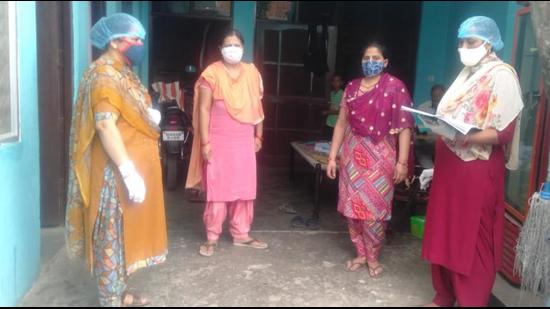
More than 480 teams from health department and district administration are engaged in door-to-door screening under Haryana Villagers’ General Health Checkup Scheme in the Ambala.
Scheme’s nodal officer Dr Balwinder Kaur said, “As per the insights and experience gained in the last three to four days, more than half of those screened are hiding their symptoms. There is a belief among them that if they test positive, they’ll be shifted to isolation centres and have to spend time alone. But the infection might spread among their family members, which might have serious consequences if they continue to conceal their symptoms.”
As per figures, 10 isolation centres are operational in Ambala villages and more will come up at areas where active cases are more than 10.
Dr Kaur said the centres are almost empty and the teams are struggling to motivate infected patients to avoid home isolation in joint families.
Sources said that the villagers still prefer to consult local practitioners or doctors, as they fear that if admitted to a health centre, “they might never return”.
“This fear has confined most of the villagers to their homes. Reluctance to get tested or vaccinated may have gone down, but the patient or beneficiary has to travel a lot to avail facilities,” one of the residents of a village declared containment zone said.
SDM (City) Sachin Gupta said the administration is trying to rope in former sarpanchs, teachers and other influential people in villages to motivate residents to undergo testing.
Peri-urban areas hit too
As per figures provided by the health department, peri-urban areas like Babyal, Jandli, Boh, Durga Nagar and Saha are the most affected in Ambala. These areas report to rural health centres but come under the limits of civic body.
District epidemiologist Dr Sunil Hari said all these areas are the extension of mainline areas, hence have a larger density of population and poor hygiene behaviour.
In an order, deputy commissioner Ashok Kumar Sharma has assigned municipal commissioner Parth Gupta to ensure screening in these areas on the lines of rural areas.


