
 E-Paper



Guest column | The good old days of ‘pay parades’
Physical distribution of pay was, perhaps, one of the best methods of one-to-one interaction of men with their officers and JCOs


Rummaging through old papers, I was taken back to the days when as a barsaati Captain and I was always detailed to distribute pay to the men in my unit.
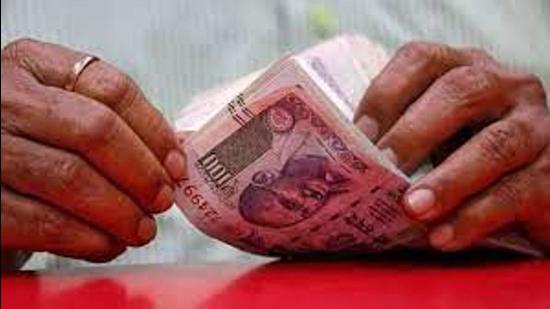
Each time I use soft options for money transactions, nostalgia for the simple days of 1964 envelopes me. Every unit had the pay-distribution standard operating procedure prominently displayed in the adjutant’s office. Men and officers waited for the all-important pay-day — the men for the small amounts they would money-order to their homes and officers for the fun and useful reality check the exercise provided.
Pay and accounts of soldiers were managed by the controller of defence accounts (CDA), Allahabad, that had its offices in the regimental centres, record offices and other major establishments for ease of functioning. Entitlement of the men according to their ranks, trade, qualifications etc was worked out and the approximate amount sent to the units well in time before the end of the month. The subedar major (SM) or some other senior JCO was the custodian of the money that was kept in the treasury in unit quarter guard (QG). The officer detailed for the pay distribution duty would carry the requisition to the QG and draw the amount worked out earlier for his unit or sub-unit from the SM or other JCO performing the duty of the treasurer.
Acquittance-rolls showing details of credits and debits of each soldier were prepared and reconciled by CDA once in a quarter with the statement of accounts they sent to the units. The officer would reach the fixed venue where men would have already been lined up under the supervision of the company havildar major (CHM). The soldier had the liberty to draw whatever amount he wanted out of the total amount in his credit after deduction of provident fund and the balance, if any, was carried forward.
Each printed or cyclostyled acquittance roll had six to 10 names and every recipient signed in front of his name for the amount received. At the end of each roll was an undertaking which the officer signed certifying that he had paid the above amount to the men as per their entitlement. The officer again signed the summary prepared at the end.
Depending on the strength of the unit, the entire exercise for a company-size unit took just about three hours as the total amount to be distributed was never more than ₹20,000, even when the currency notes were largely in denomination of 100s and 10s. Once in a while, some company commander or commanding officer insisted on making the payments himself to remain connected with the men and junior officers like me assisted him. Sometimes, silly mistakes in counting and distribution resulted in hilarious situations and a little light laughter is always good for bonding.
Physical distribution of pay was, perhaps, one of the best methods of one-to-one interaction of men with their officers and JCOs. The officer invariably talked to the soldier in a cordial and friendly manner about his leave and promotion and enquired about the well-being of his family before handing over the currency notes and coins. Everyone seemed to be in a joyous and happy mood and the officers could feel the pulse of their troops and knew exactly the state of their morale; and if there was any discontent brewing it was nipped in the bud.
Soldiers’ broad smiles of gratitude and smart salutes would give the instant feedback that all was well in the unit. In fact, it was far better a method of man-management than the sainik sammelan or durbar which was formal in nature and more of a monthly ritual. Admittedly, the procedure of calculating dues of every soldier was cumbersome and tedious but it had its own benefits. Today’s faceless, emotionless and cashless transactions of transferring pay in the bank accounts of the men may be convenient but it has deprived the officer community of the ‘back-to-basics’ approach of time-tested management, giving rise to many problems. Alas, today’s officers don’t have the luxury of such a personal contact with their men.
colcheema1942@gmail.com
(The writer is a Panchkula-based retired army officer)


