
 E-Paper



Guest Column | Unshackle Indian athletes for more Olympic success
The First Play plan includes, among other things, ‘targeting’ 10 priority sports based on past success and something they call ‘high winning potential’, which sounds eerily like the License Raj policy that destroyed India’s economic growth for five decades


The performance of Indian athletes at the Olympics is laudable. Now, it is time to build on this success. The Niti Aayog’s plan, First Play, lays down a strategy for India to win 50 medals in the 2024 Olympics. For a country that won seven medals at the Tokyo Olympics and has won 30 medals over the last 100 years, this goal seems to be a stretch.
The Niti’s plan to get there makes the goal delusional. The well-meaning bureaucrats that run the Niti Aayog are programmed to find solutions through the government machinery. Thus, more government involvement is their solution to most problems.
The First Play plan includes, among other things, ‘targeting’ 10 priority sports based on past success and something they call ‘high winning potential’. This sounds eerily like the License Raj policy that destroyed India’s economic growth for five decades. Allowing bureaucrats and politicians to pick priority sectors did not work for our economy and will not help Indian sports.
Flaw in the plan
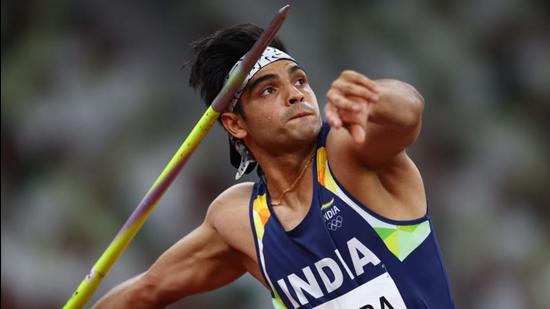
Neeraj Chopra would never have succeeded under the Niti’s plan because javelin throw would not have featured in the list of priority sports as it did not have a success track record. Other athletes such as Swapna Barman, who won the Heptathlon Gold in the 2018 Asian Games; 400m runners like Milkha Singh and PT Usha, and the gymnast Dipa Karmakar would also not have made the cut.
It is always the success of an elite athlete that increases participation in a sport. It was the success of Mark Spitz that gave an impetus to the next generation of American swimmers such as Michael Phelps and not some wacky government prioritisation scheme. Similarly, Usain Bolt ignited the recent success of Jamaican runners, not a government priority scheme.
Let the talented athletes decide, which sports India wins medals in, not priorities set by bureaucrats or politicians.
India can become a successful sporting country not through more government involvement, but by creating the right incentives for the athletes. These incentives are best created in a free market, unencumbered by government control. Professional sports management companies are in the business of finding talent, paying for their training, finding the best trainers, coaches and performance psychologists, and eventually making a profit for themselves and the athletes they represent by maximising their sponsorship value. Phelps, who has won as many medals (28) in the last four Olympics as India has in hundred years (30), has never received a penny from the US government. Sponsorship has paid for his training.
Nurture young talent
Countries such as Norway, Finland, and Germany have dozens of private sports clubs and schools dedicated to training world-class athletes. Sports management companies armed with the latest scientific methods in functional and muscle movement identify potential athletes from a very early age. They adopt, train, support, and convert these athletes into world-class medal winners. India needs a similar model, and, given the size of its market and its huge TV audience, professional sports companies would jump at the opportunity to be involved in Indian sports.
America has dominated world athletics with over 2,600 Olympic medals. Yet its government has no involvement in sports. The US Olympic Committee is funded entirely from private sources and is privately managed. There are no bureaucrats or politicians in any sports federation, and unlike India, the US does not have a sports ministry.
Abolish sports ministries
India’s athletics, on the other hand, is still controlled by bureaucrats and politicians. They head the sports bodies, manage the budgets and decide what and who gets funded. This must stop. The government is not a help, but a hindrance for optimum athletic performance. All sports ministries must be abolished. Sports has to become an industry with its sports schools, sports clubs, private coaching academies, sports management companies, equipment manufacturers, professional leagues, TV rights, and sponsorships.
The world of professional sports operates entirely in the private domain. Whether it is professional basketball, or soccer clubs like the Manchester United or Real Madrid, private ownership and management is the key. This should be the direction for sports in India. A good example is the IPL, a private cricket league, which has played a major role in raising the standard of Indian cricket.
Market-based solutions that allow individuals to pursue goals based on their own set of skills and incentives are the best way to achieve optimum performance.Unshackle Indian athletes from the burden of dealing with the government and they will get 50 Olympic medals.
sb@sanjivbhatia.com
(The writer is the founder and CEO of Contract With India)


