
 E-Paper



HC allows disability pension to diabetic former army man
The court dismissed a plea filed by the central government seeking directions to set aside the orders passed by the Armed Forces Tribunal here, which had allowed the claim for the grant of disability pension by a former soldier

 Prefer HTon Google


Punjab and Haryana high court has ruled that unless there is evidence that a soldier became diabetic during his military service by consuming “prohibited food or was never engaged in physical activities”, authorities cannot deny disability pension to him following his discharge from the Army on medical grounds.
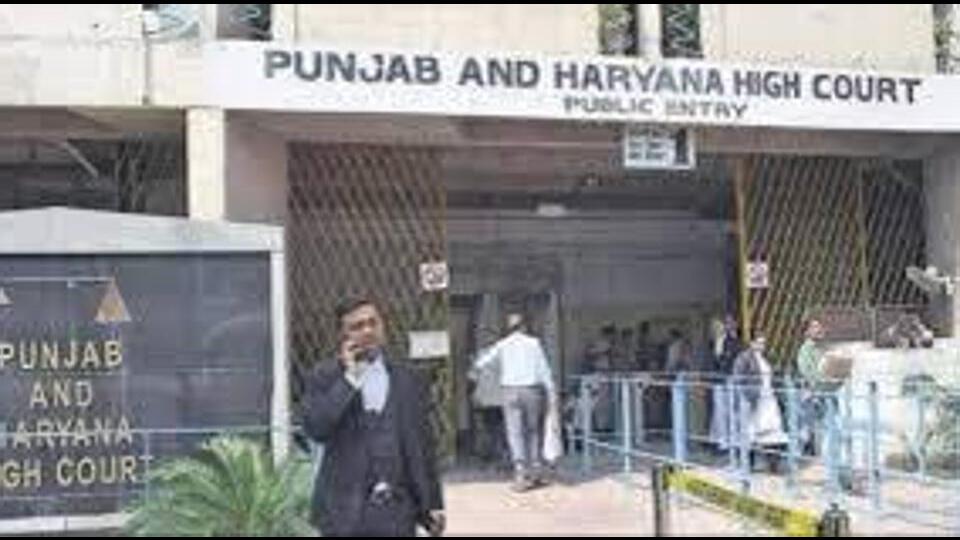
The court dismissed a plea filed by the central government seeking directions to set aside the orders passed by the Armed Forces Tribunal here, which had allowed the claim for the grant of disability pension by a former soldier.
According to the case details, the former soldier was enrolled in the Army on January 20, 2003, and was discharged from service on October 31, 2019, “at his own request on compassionate grounds before completion of terms of engagement” in the medical category “due to the disabilities-- Severe Depressive Episode and Type -2 Diabetes Mellitus”.
At the time of discharge from military service, his disabilities were compositely assessed at 50% for life, however, the same were held to be neither attributable to nor being aggravated by military service.
Accordingly, the claim of the respondent for the grant of disability pension was rejected vide letter dated November 4, 2019.
The Centre, in its plea in the high court, contended that not only was his disability genetically linked but it was a lifestyle disease developed while serving in peace area.
But the high court observed that at the time of enlistment, the medical board should put a note about the disease, including if it was genetically linked and if there was a possibility of onset, but it was not done in this case.
The high court also held that the regulations do not state that the onset of disease in a peace area cannot be attributed to military service.
“... Even if the onsettings of the said disease upon the present respondent occurred in a peace area, thereby, the said onsettings are to be declared to become aggravated by or being attributable to rendition of military service,” it ruled.
The court said the generation of ‘Type II Diabetes Mellitus’ fixes the cause of the disease to ill dietary habits and lack of physical activities.
However, unless “evidence became adduced that he consumed prohibited food or was never engaged in physical activities, thereupon, the said eruption/causes cannot be fixed onto the present respondent (soldier),” the high court has held.
Since the said evidence is not stated to be adduced nor is discussed, thereby the fixing of the said causes onto the present respondent rather by the medical board, thus appears to be made most surmisingly, it held.
The respondent filed the first appeal before an Appellate Committee. However, the same was rejected through a letter dated March 5, 2020.
Thereafter, the respondent challenged the order dated March 5, 2020, before the Second Appellate Committee, wherein, vide order dated March 15, 2021, it accepted the first disability i.e. ‘Severe Depressive Episode’ as aggravated to military service at 40% for life but rejected the second disability--’ Diabetes Mellitus Type II’-- as neither aggravated nor being attributable to military service.
Feeling aggrieved, the soldier filed a plea before the Armed Forces Tribunal concerned, whereby he challenged the passed rejection order. His plea was allowed vide order dated April 22, 2022, and the AFT held that the applicant is entitled to the grant of disability pension which includes disability element and service element.
Aggrieved by the AFT orders, the petitioner - central government - moved the high court here.


