
 E-Paper



Himachal’s first ethnobotanical park to come up in Una
Aimed at conservation of the endangered and vulnerable plant species of Kangra, Una, Bilaspur, Hamirpur and lower Shivalik hills, Himachal first ethnobotanical park will come up in Una by August

 Prefer HTon Google


Aimed at conservation of the endangered and vulnerable plant species of Kangra, Una, Bilaspur, Hamirpur and lower Shiwalik hills, Himachal first ethnobotanical park will come up in Una district by August this year.
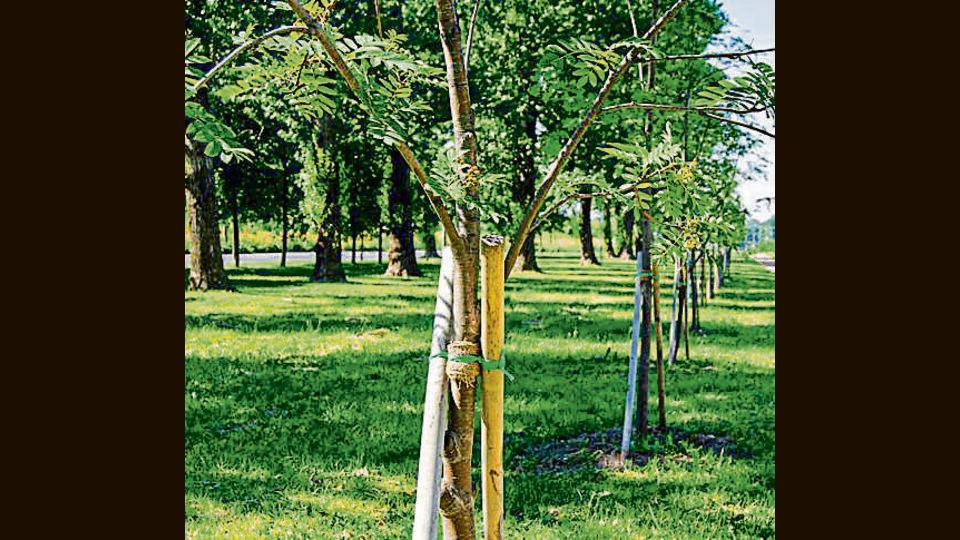
The park is being set up in a 26.10-hectare unprotected forest area at Androli in Bangana sub-division, on the Banks of Govind Sagar Lake, rural development minister Virender Kanwar said.
The park, the construction work on which started in February 2022, is being developed by the forest department in convergence with the rural development department and tourism department at a cost of around ₹8 crore.
The garden, having two blocks, will be home to about 150 rare plant varieties.
One block is being set up adjacent to Govind Sagar lake to facilitate seasonal visits of migratory birds to the different wetlands which would also attract bird watchers and wildlife photographers.
The second block will come up near a lush green forest and will feature 6-8 kM of eco-trail, forest observation post and sitting areas.
The idea behind developing this is to learn while walking. All the species present here will be having signages depicting brief descriptions about plants.
A modern nursery is planned exclusively for promoting and raising species found in lower Shiwaliks focusing more on native species. Nursery raising techniques for native species would be standardised and documented, said Kanwar.
A two-hectares core zone will be cessible for visitors, research scholars, students, and nature lovers.
Wooden bridges, café, souvenir shops, parking facilities, wooden houses, gazebos, kids play area, open gym, will also be built in the park, said the minister. A rainwater harvesting structure will be constructed in the park with initial cost of around ₹62 lakhs under “Jal Bhandaran Scheme” to create water bodies that can store 8-10 lakh litres of water.
Eco Trails/ Eco-tracks have been planned for the whole area to uncover the hidden plant biodiversity under the Eco-Tourism Livelihood Programme. These tracks will be made from locally available stone.
There will be around 10 different sections at the park based on the category of plants. Among these, the laser area, night garden, butterfly park and Ayurveda garden for botanical knowledge sharing will be the main attractions.


