
 E-Paper



Hisar varsity, UN body partner to boost water efficiency in rice farming
HAU vice-chancellor BR Kamboj said the project, being implemented under the GEF-7 FOLUR programme, seeks to make the direct seeded rice (DSR) system more effective, sustainable and farmer-friendly by testing a biological seed treatment


Chaudhary Charan Singh Haryana Agricultural University (HAU), Hisar, and the Food and Agriculture Organisation (FAO) of the United Nations will jointly work on a project aimed at enhancing water-use efficiency in rice cultivation through an innovative biological seed treatment technology.
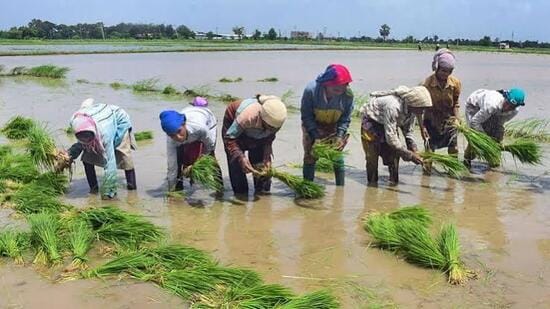
HAU vice-chancellor BR Kamboj said the project, being implemented under the GEF-7 FOLUR programme, seeks to make the direct seeded rice (DSR) system more effective, sustainable and farmer-friendly by testing a biological seed treatment based on brewing yeast (Saccharomyces cerevisiae).
He said the initiative is expected to address major challenges arising from Haryana’s rice-wheat cropping system, including excessive groundwater extraction, soil degradation, environmental pollution and greenhouse gas emissions.
“Under the project, researchers will evaluate whether biological seed treatment can improve seed germination, early crop growth, plant vigour and water-use efficiency in rice,” he said adding that if successful, the technology could provide farmers with a low-cost, eco-friendly and easily adoptable solution.
Rajesh Gera, dean of the college of basic sciences and humanities, has been appointed as the nodal officer for the project, while Seema Sangwan, associate professor in the department of microbiology, will serve as the principal investigator.


