
 E-Paper



Immigration summit: US lawmakers call for resolving H-1B issues
At the first-of-its-kind ‘Tech Immigration Summit’ at the US Capitol on Monday hosted by the Foundation for India and Indian Diaspora (FIIDS), the lawmakers pushed for removing the 7% country quota when it comes to issuing green card or legal permanent residency to foreign guest workers in specialised categories.

 Prefer HTon Google


Eminent lawmakers from both the Democratic and Republican parties at an immigration summit have called for urgently addressing the green card backlog, an issue that is majorly impacting Indian professionals and the issues related to the H-1B visa.
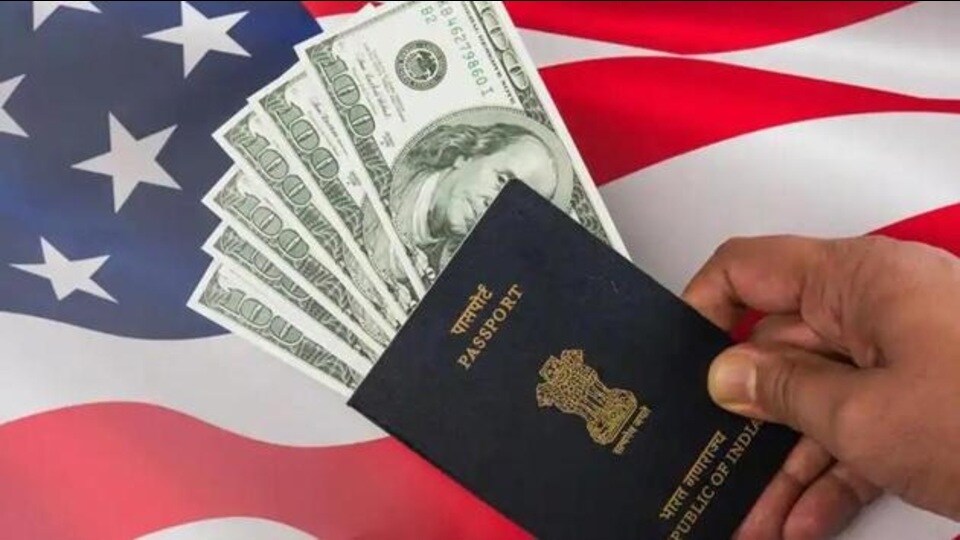
At the first-of-its-kind ‘Tech Immigration Summit’ at the US Capitol on Monday hosted by the Foundation for India and Indian Diaspora (FIIDS), the lawmakers pushed for removing the 7% country quota when it comes to issuing green card or legal permanent residency to foreign guest workers in specialised categories.
In the absence of such a move, the green card waiting period for Indian immigrants would be more than 20 years and over 70 years in many cases.
A green card, known officially as a permanent resident card, is a document issued to immigrants to the US as evidence that the bearer has been granted the privilege of residing permanently.
Congressman Ro Khanna, who is also co-chair of the Congressional India Caucus, called for a rational immigration policy.
“We know that immigrants have helped build Silicon Valley, that so many of the companies that have started, that have created so many jobs that have created so much employment have been founded by immigrants from India, from China, from Asia, the Middle East, from Europe,” he said.
Khanna is co-sponsor and lead of the Eagle Act, which he said would get rid of the country caps so that people aren’t perpetually in status because that hurts American workers.
“You are hurting American workers by allowing corporations to underpay folks on an H1-B, and you’re hurting the families on H1-B. And that’s why we need to move them to green cards and ultimately citizenship,” he said.
“It will help raise wages, help American workers, and help these families. We also should be providing a green card to folks who are educating in the United States. It makes no sense that we’re paying for someone’s education at college or giving them STEM, and then we’re telling them that they have to go back to where they came from when American taxpayers are funding the education. I’d rather stay here, create the jobs here instead of offshoring those jobs,” Khanna said.


