
 E-Paper



Ludhiana: ₹1.14 crore PAU study to examine heavy metals in soil, groundwater
1,700 samples, including soil, water and agricultural commodity, to be tested from 34 locations in 16 districts; the first phase of the study has been completed, say officials

 Prefer HTon Google


Ludhiana
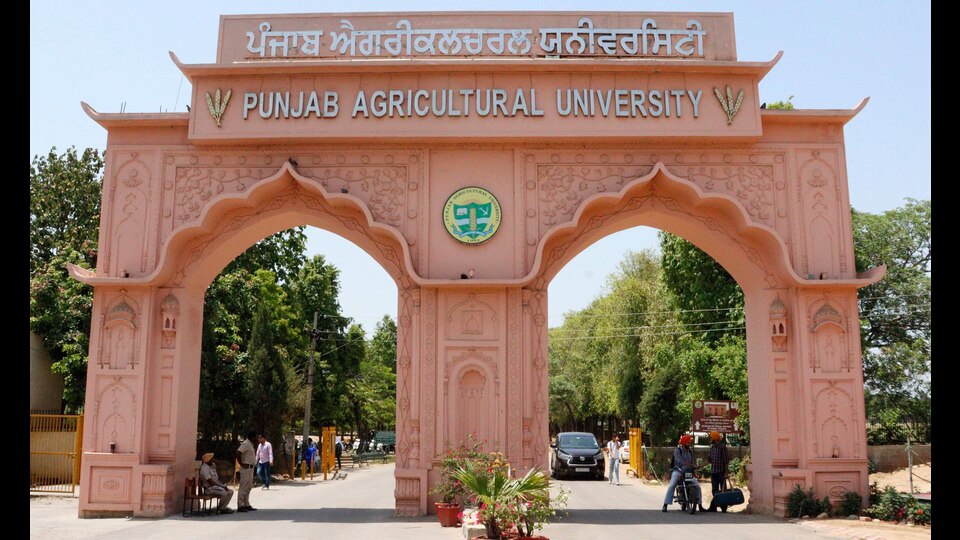
Amid concerns that pollution from agricultural runoff could be contaminating Punjab’s water and food chain, a scientific study, commissioned by the state government to examine the presence of heavy metals in soil, groundwater and agricultural produce, has been going on in full swing, PAU officials said.
Scientists from Punjab Agricultural University (PAU), working in collaboration with the Punjab Biotechnology Incubator (PBTI), are analysing samples collected from multiple districts to assess whether toxic metals are entering the state’s agricultural ecosystem.
The ₹1.14-crore project, commissioned recently by the department of agriculture and farmer welfare, will run for 18 months and involves extensive field sampling and laboratory testing. Environmental experts have warned that intensive farming practices and runoff carrying fertilisers, pesticides and other pollutants may be contributing to contamination of groundwater and surface water in several parts of the state.
Environmental scrutiny intensified after a study by researchers from the Indian Institute of Technology Mandi, published in the journal Environmental Science and Pollution Research, suggested that agricultural runoff in Punjab could be contributing to water pollution.
To verify the situation on the ground, scientists have identified 34 locations across 16 districts for sample collection and analysis. The districts covered under the study include Amritsar, Tarn Taran, Patiala, Sangrur, Ropar, Fatehgarh Sahib, Fazilka, Ludhiana, Faridkot, Jalandhar, Kapurthala, Moga, Barnala, Nawanshahr, Mohali and Bathinda. Officials said the sites were selected based on areas where earlier monitoring or studies indicated potential contamination risks.
Among the key sampling sites are Ajnala and Ramdas in Amritsar district, Bhikhiwind in Tarn Taran, Samana in Patiala, Sangatpura in Sangrur, Abohar in Fazilka and Jagraon in Ludhiana, among others.
Scientists are collecting soil, water and agricultural commodity samples from the selected locations. Commodity samples include food products commonly consumed by people, such as wheat and other grains, along with pulses, fruits, and vegetables.
Under the project design, researchers are collecting around 50 samples from each location, resulting in nearly 1,700 samples that will undergo detailed laboratory testing.
The analysis will focus on identifying heavy metals such as lead, cadmium, arsenic, and mercury and assessing whether their concentrations exceed permissible safety limits.
Officials said the first phase of the project has already been completed, during which scientists conducted field visits and collected samples from all selected locations.
Dr Sumita Chandel, soil chemist at PAU and part of the research team, said the first phase focused primarily on sample collection from areas where environmental concerns had earlier been reported. “The collected samples are currently undergoing laboratory analysis to determine the presence and concentration of heavy metals,” she said.The research team has already submitted a partial Phase 1 report to the Punjab government, while the complete report is expected by the end of this month after the remaining laboratory tests are completed.
Officials said Phase 2 of the project will begin in April, focusing on detailed analysis of the findings and preparation of scientific recommendations.
Experts believe the results could play a crucial role in shaping future policies on water quality monitoring, environmental protection, and sustainable farming practices in Punjab, while also addressing concerns related to food safety and public health in one of India’s most important agricultural states.
.


