
 E-Paper



Ludhiana: 50k dormant ration card holders to lose benefits
In a notification on July 22, the ministry of consumer affairs, food and public distribution issued an order to amend the Targeted Public Distribution System (Control) Order, 2015

 Prefer HTon Google


Over 50,000 beneficiaries of the public distribution system in the district will be removed from the list of households eligible for ration as the central government has amended the rules to weed out the users dormant for over the last six months.
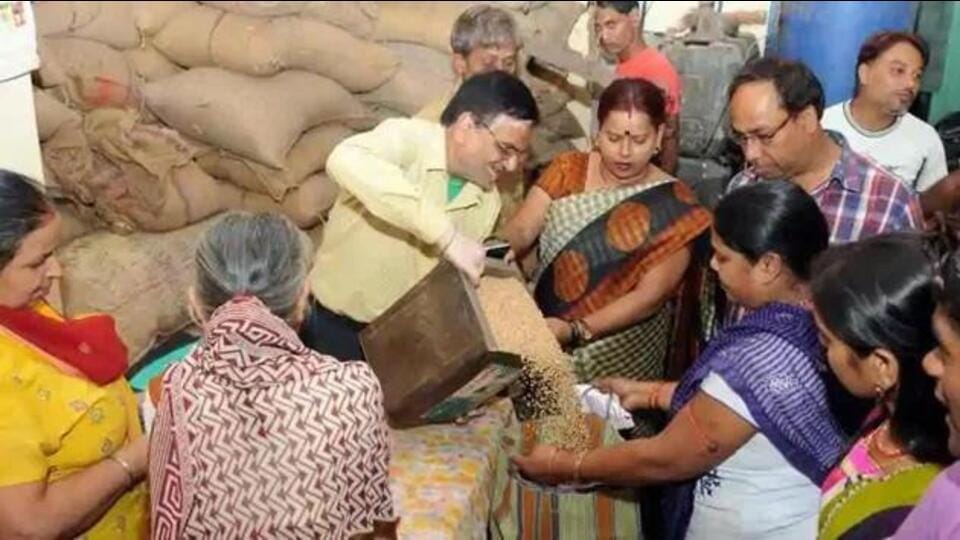
In a notification on July 22, the ministry of consumer affairs, food and public distribution issued an order to amend the Targeted Public Distribution System (Control) Order, 2015. “The state government shall temporarily disable ration cards of beneficiaries who haven’t used their entitlements in the last six months,” the order read, adding, “Thereafter, the state government shall conduct e-KYC by conducting field verification within the next three months to re-evaluate the ration card, determine eligibility and take appropriate action.”
“The users who have not availed the entitlements for over six months will be notified as not eligible for ration (NER),” said Sartaj Singh Cheema, district controller, food and civil supplies (DFSC).
In a city like Ludhiana which has a significant migrant population, the problem emerges as people who register here for a while and then go back to their native places. As per the district food and civil supplies department, 52,077 beneficiaries of the public distribution system have not used their ration cards for the last six to 12 months.
“Migrant workers come here and get a ration card and then after some time they leave for home. However their ration cards remain active. New applicants can’t get their cards made due to the existing burden. No new ration cards could be made since 2013 due to this,” said Karamjit Singh, state president, All India Fair Price Shop Dealers’ Federation.
This change, Karamjit said, will not only open the way for new ration cards for the people waiting since 2013 but also facilitate the 15,000 e-Shram card holders to avail the benefits of the public distribution system. E-Shram card holders are labourers who don’t have ration cards here but are eligible for benefits under the public distribution scheme.
“Since the system was stretched thin with the number of beneficiaries and the list was not refreshed even after people migrated or died, the new beneficiaries could not be enrolled in the scheme,” he added. The order also calls upon the state government to conduct e-KYC by conducting field verification within the next three months to re-evaluate the ration card, determine eligibility, and take appropriate action.
“If the beneficiaries notified as NERs aren’t verified in three months then the state government can take the decision to delete their names from the system as well,” said DFSC Cheema.
For the beneficiaries who have been identified as duplicates within or outside the state, their ration cards will be temporarily disabled. They will be given a window of three months to revalidate or prove their eligibility by providing necessary documents and e-KYC.
To maintain effectiveness in the system, the new order also asks the state governments to review the list of eligible households every five years for deletion of ineligible households or inclusion of eligible households, and perform mandatory e-KYC.
For the issuance of new ration cards and maintaining transparency in the process, the order instructs the state government to use the first-in first-out method and display a waiting list in the public domain, including on the state web-portal, allowing users to track their application status in real-time.


