
 E-Paper



Ludhiana: This chilly season, keep a close eye on your heart health
After a week-long red alert for weather conditions, Ludhiana recorded a minimum temperature of 2.8 degrees Celsius and a maximum temperature of 15 degrees Celsius, Both figures are 3 degrees lower than the usual range for this time of year


With the city recording unusually low temperatures and high Air Quality Index (AQI) this winter, experts have cautioned against increased risk of cardiovascular ailments.
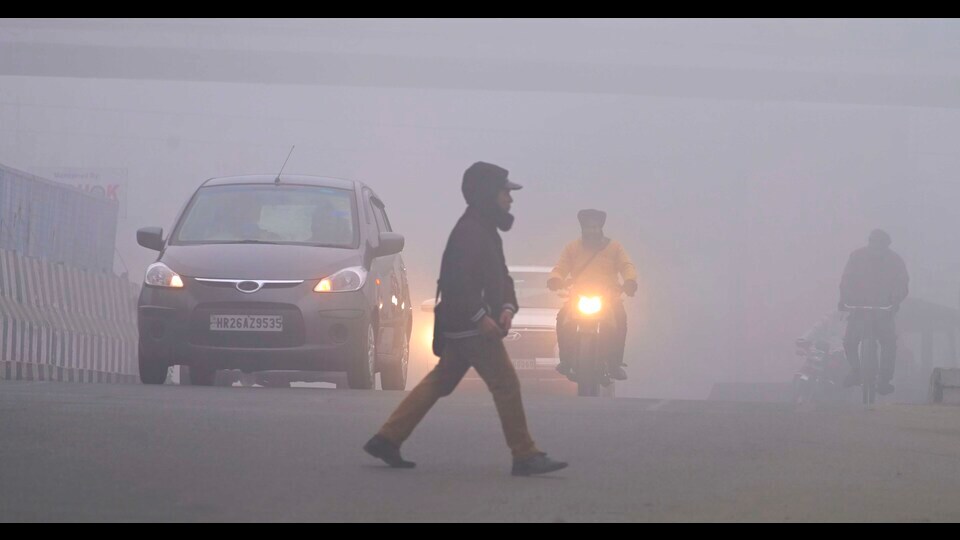
After a week-long red alert for weather conditions, Ludhiana recorded a minimum temperature of 2.8 degrees Celsius and a maximum temperature of 15 degrees Celsius. Both figures are 3 degrees lower than the usual range for this time of year. Additionally, dense fog till late in the morning and early evening is increasing the challenges of winter.
Experts warn that the combination of the cold wave and dense fog makes individuals with a history of heart ailments and elderly citizens more susceptible to heart attacks. This critical period spans from mid-December to mid-February.
“In the winter season, people tend to indulge in delicacies rich in fats, coupled with a significant decrease in physical activity. This combination becomes a major trigger for health ailments. The body exhibits various warning signals, such as increased heart rate, heavy breathing, uneasiness, and chest pain. Unfortunately, people often ignore these signs until their heart health deteriorates beyond repair,” stated Dr Gurbhej Singh, head of the cardiology department at Christian Medical College.
Dr Singh emphasised the importance of seeking immediate medical attention upon experiencing chest pain. Timely treatment can significantly mitigate damage and restore normal heart function. However, delays can prove fatal, with irreversible damage occurring if more than six hours pass.
Adding to the health concerns, Ludhiana is grappling with considerably high pollution levels, with the maximum AQI reaching as high as 446 on Wednesday. Health experts strongly advise against unnecessary outdoor activities and strenuous exercise due to the potential health risks posed by the combination of pollutants and fog.
“The surge in winter-related heart attacks has multiple factors at play. Micro and nanoparticles present in the environment act as pollutants, triggering an inflammatory cycle similar to COVID-19. This can significantly increase the incidence of heart ailments compared to a decade ago. Additionally, changes in temperature lead to fluctuations in blood pressure, resulting in an increased intake of medication. Social factors, such as winter weight gain, further impact vital indicators like sugar levels and blood pressure. Psychological changes, often referred to as winter blues, also play a role. Elderly and comorbid patients must avoid strenuous physical exercises during this season,” explained Dr Bishav Mohan, an expert cardiologist practising at Hero DMC Heart Institute located at Dayanand Medical College & Hospital.


