
 E-Paper



NHAI’s first 750-car parking project inaugurated in Ludhiana
14 parking zones to be developed at a cost of ₹7 crore under elevated corridor, work to be completed in six months.

 Prefer HTon Google


India’s first government-led parking project of its kind, being developed by the National Highways Authority of India (NHAI), was inaugurated in Ludhiana on Sunday. The project will create around 750 organised car parking spaces under elevated highway stretches in the city.
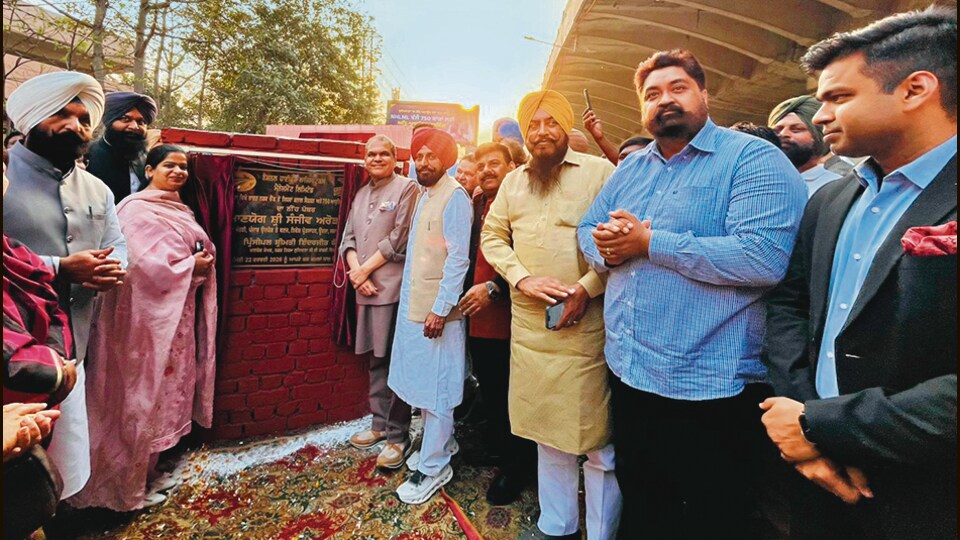
The facility is being executed by National Highways Logistics Management Limited (NHLML), a wholly owned subsidiary of NHAI. It marks the first time the authority has undertaken such a structured parking project beneath elevated corridors in an urban area.
Punjab cabinet minister for industries and commerce, investment promotion, power and local government, Sanjeev Arora, inaugurated the construction work. He was accompanied by MLAs Kulwant Singh Sidhu and Daljit Singh Grewal, MC commissioner Neeru Katyal, DC Himanshu Jain, District Planning Board chairman Jatinder Singh Khangura, Ludhiana Improvement Trust chairman Tarsem Singh Bhinder, MP Singh Jawaddi and other officials.
The parking zones will be developed at two key stretches — from Bharat Nagar Chowk to Sidhwan Canal, between the main carriageway and service road, and beneath the elevated corridor from Bharat Nagar Chowk to ISBT.
The ₹7 crore project will be implemented under the Design, Build, Operate and Transfer (DBOT) model on a 10-year concession and is expected to be completed within six months. A total of 14 parking zones will be created on both sides of the elevated road.
Addressing the media, Arora said the project would help ease Ludhiana’s parking shortage and traffic congestion.
“This initiative will provide safe, organised and easily accessible parking solutions for daily commuters, shoppers and residents. It will significantly reduce roadside chaos, improve traffic discipline and enhance road safety across key corridors of the city,” he said.
He added that the project reflects better utilisation of vacant spaces under elevated roads and could serve as a model for other cities.


