
 E-Paper



Outage effect: PSPCL top brass camps at thermal plants to monitor generation
Punjab currently generates around 4,200 MW of electricity, including 3,400 MW from thermal power plants and 800 MW from hydropower and other renewable sources

 Prefer HTon Google


In a first, Punjab State Power Corporation Limited (PSPCL) has deputed its chairman-cum-managing director (CMD) and four directors to oversee the functioning of the state’s five thermal power plants amid mounting power disruptions and a generation shortfall of around 2,000 MW during peak-demand hours.
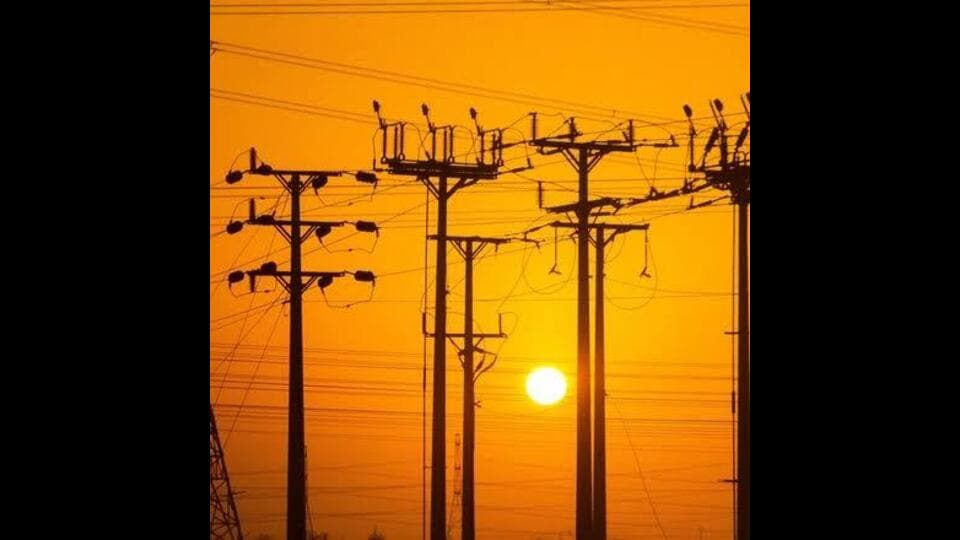
The move comes as Punjab grapples with an acute power crisis, with electricity demand soaring during the ongoing paddy season.
Punjab currently generates around 4,200 MW of electricity, including 3,400 MW from thermal power plants and 800 MW from hydropower and other renewable sources, against a total demand of nearly 15,000 MW. To meet the shortfall, the state draws around 10,800 MW from the central grid, including supplies from the National Thermal Power Corporation (NTPC), Ultra Mega Power Projects (UMPPs), solar and wind sources during daytime. However, the availability of solar power declines after sunset, reducing Punjab’s drawal from the central grid to around 8,800 MW during the evening and night hours. This leaves a peak-hour supply gap of approximately 2,000 MW, putting pressure on the power system and resulting in rotational power cuts in some areas.
Under an office order issued by the PSPCL, CMD Basant Garg has been assigned the Rajpura Thermal Power Station, operated by Nabha Power Limited. Director (commercial) Harsharan Kaur Trehan will oversee the Guru Amar Das Thermal Power Plant at Goindwal Sahib, while director (distribution) Inderpal Singh has been assigned the Guru Gobind Singh Super Thermal Power Plant at Ropar. Director (finance) Surinder Kumar Beri will monitor the Talwandi Sabo Power Plant, while director (generation) Punnerdeep Singh Brar has been deputed to oversee the Guru Hargobind Sahib Thermal Plant at Lehra Mohabbat.
The officials have been directed to immediately visit their respective plants and set up camp offices there to closely monitor generation. They have also been asked to ensure that the plants operate at their maximum possible capacity and that any issues affecting generation are addressed promptly.
The five thermal power plants have a combined installed capacity of around 5,680 MW but according to data available on the Punjab State Load Dispatch Centre website, their current generation is only around 3,300 MW.
Several generating units are also facing operational problems. One unit each at the Ropar thermal plant, Guru Hargobind Thermal Plant at Lehra Mohabbat, Ranjit Sagar Dam and Talwandi Sabo Power Plant is reportedly out of operation. At the Rajpura plant, two units are generating at around half of their capacity.
The PSPCL order has also directed chief engineers and plant in-charges to ensure their continuous presence at their respective stations so that generation remains uninterrupted and the available capacity is utilised to the maximum.
Punjab has been facing an acute power shortage for the past fortnight as demand has increased sharply during the paddy season. Farmers have been protesting against erratic power supply to tubewells, while industrial units have complained of power cuts lasting up to 10 hours during the night.
Domestic consumers have also been facing unscheduled outages ranging from two to four hours in several areas.
PSPCL director (generation) Punnerdeep Singh Brar acknowledged that power cuts and faults in some generating units had affected the power situation. He said there was no shortage of coal at present. The deployment of senior officials at all five thermal plants was aimed at ensuring close monitoring and improving generation.
The crisis has also triggered concern among industry representatives. In a letter to the PSPCL CMD, Ashok Gupta, president of the Mohali Industries Association, said frequent, unplanned and poorly communicated power cuts were causing production losses, idle manhours and financial hardship to industries. He urged PSPCL to ensure a reliable power supply and provide timely information to industries regarding scheduled and unscheduled outages.


