E-Paper



Prolonged outages hit consumers across Haryana on Day 2 of strike
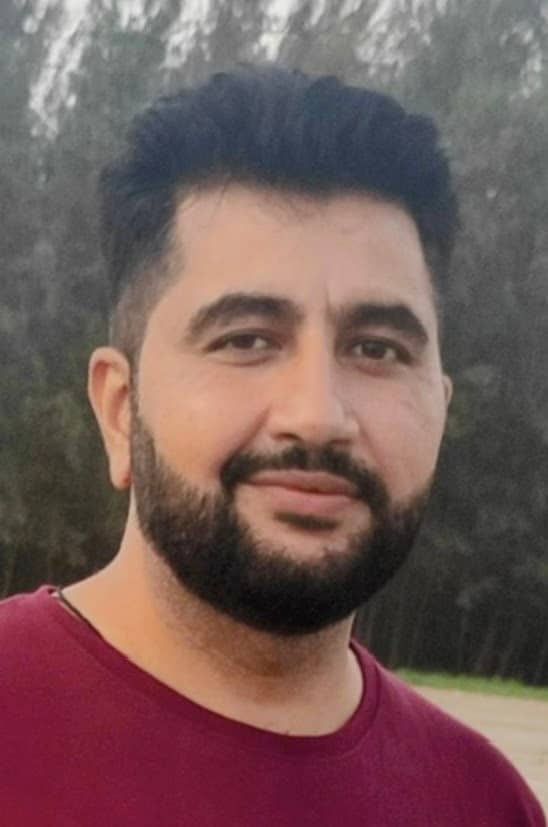
A 50-year-old farmer, Balwan Singh, died of electrocution while attempting to change the power supply phase at a transformer in Surpura Kalan village in Bhiwani district on Thursday

 Prefer HTon Google


The statewide strike by Haryana’s electricity employees and engineers ended on Friday evening following talks with the government. However, consumers across urban and rural areas continued to face prolonged power cuts and drinking water shortages on the second day of the agitation. While administrative intervention helped restore electricity in some areas, several faults remained unattended.
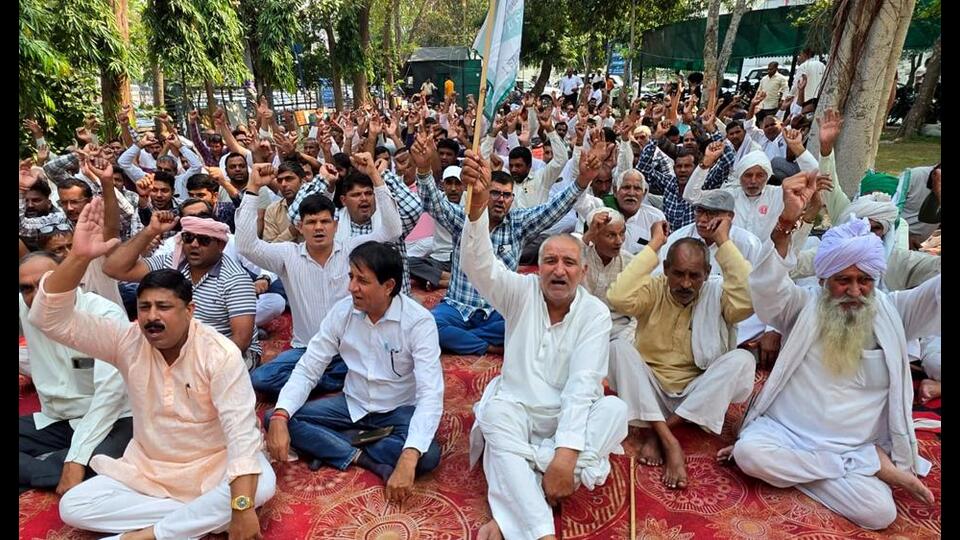
The three-day strike, called by the Haryana Electricity Employees and Engineers Joint Struggle Front from October 22 to 24, was against the Haryana Electricity Regulatory Commission’s (HERC) decision to grant a 25-year parallel electricity distribution licence to private company Eleven Power for Gurugram and Nuh.
Haryana Police, along with retired electricity employees, stepped in to help restore power supply in several districts. In Bhiwani, officials visited power installations and switched on feeders. In Rewari, more than 20 feeders were restored, providing relief to over 100 villages. In Hisar, Adampur police coordinated with power officials to restore electricity to the police station and nearby areas. Generators were also arranged in some localities to maintain drinking water supplies.
In Hisar district, around 120 of the 197 villages were reportedly affected by power cuts, disrupting water supplies. Residents blocked a road near the Barwala power house on Thursday night, while people in Azad Nagar surrounded a power installation to protest prolonged outages.
In Bhiwani, the Haryana Power Engineering Association (HPEA) claimed that nearly 50% of the district was without electricity. With breakdowns remaining unattended, police personnel in Loharu had to use mobile phone torches to carry out routine work at the police station.
In Jhajjar, large parts of the city remained without electricity for the second consecutive day, forcing residents to rely on inverters and generators.
The outages also disrupted water supplies.
In Jind, power cuts affected the town and surrounding areas, including Alewa, Pillukhera, Julana and Uchana. Several areas had been without electricity since Thursday night, while some villages in Pillukhera had faced outages since Wednesday evening.
Rohtak and neighbouring areas, including Meham, Sampla and Kalanaur, also reported disruptions. Some households had been without power for around 30 hours, affecting shops, industrial activity and daily routines. In Kalanaur, the sub-divisional hospital had to operate a generator for several hours.
Meanwhile, a 50-year-old farmer, Balwan Singh, died of electrocution while attempting to change the power supply phase at a transformer in Surpura Kalan village in Bhiwani district on Thursday.
According to his family, he had climbed the transformer when he suffered an electric shock. The Dakshin Haryana Bijli Vitran Nigam (DHBVN) officials said preliminary information suggested that the farmer was attempting to switch the supply from single-phase to three-phase.