
 E-Paper



Punjab: Defunct mortuary adds to bereaved families’ woes
Medical superintendent of Govt Mata Kaushalya Hospital says he has written to higher authorities to provide forensic experts to make it functional

 Prefer HTon Google


At Government Mata Kaushalya Hospital, the district hospital in Patiala, the grief of losing a loved one is compounded by an additional ordeal: families are often left to fend for themselves to preserve the body, as the hospital’s mortuary has remained defunct since 2021.
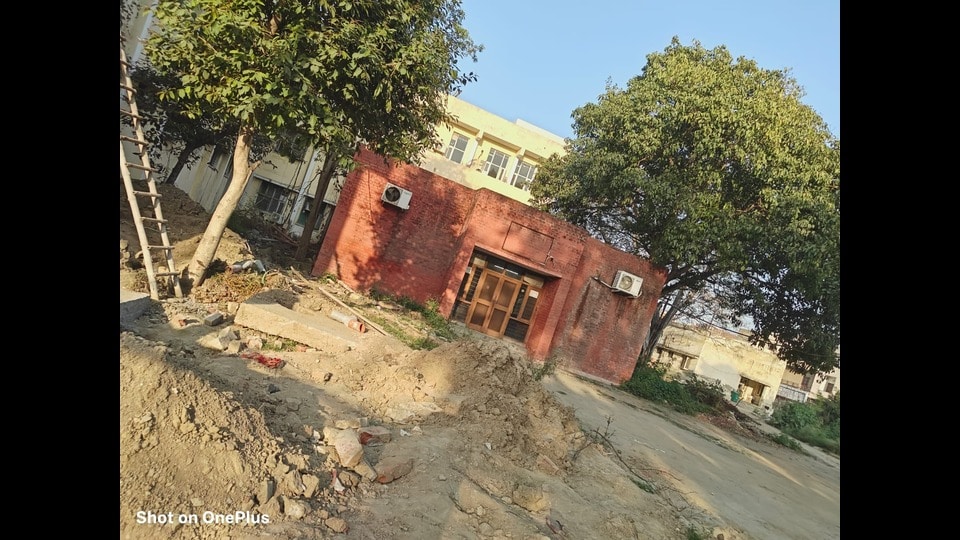
Dr Vikas Goyal, medical superintendent at Government Mata Kaushalya Hospital, confirmed that the mortuary had been lying defunct. He said the hospital authorities had written to the higher authorities to ensure that forensic experts were provided to make the mortuary functional.
According to the state health department, any MBBS-qualified medical officer can conduct a postmortem examination. Currently, mortuary services are available at district and civil hospitals. In Patiala district, postmortem examinations are being conducted at civil hospitals in Nabha, Samana and Rajpura.
Two mortuary freezers were stolen in 2024 after years of neglect at the hospital. Dr Goyal stated that hospital authorities had already reported the theft to the police.
The situation becomes particularly distressing when a death occurs during the night or in the early hours, leaving already grieving families scrambling to make arrangements.
In the absence of a functional mortuary, families have to hire private ambulances or mortuary vans to shift the bodies to Government Rajindra Hospital where they can be kept until the morning. This added logistical and financial strain arrives at a time when families are already coping with the loss of loved ones.
According to the documents accessed by HT, emergency medical officers (EMOs) at Government Mata Kaushalya Hospital direct the kin of the deceased to shift the body to Government Rajindra Hospital.
With no government mortuary vans available for the purpose, the responsibility of transporting the bodies falls on the bereaved families. The 108 emergency ambulance service too does not transport bodies. Its services are meant for transporting patients to hospitals.
Punjab human rights guidelines ignored
In January this year, the Punjab Human Rights Commission (PHRC) wrote to the Patiala deputy commissioner asking every government and private hospital to maintain at least one functional mortuary van. The guidelines said hospitals with more than 100 beds should keep two vans, given their higher footfall and medico-legal cases.
Jitender Singh Shunty, member, Punjab Human Rights Commission, said he would visit Government Mata Kaushalya Hospital soon and ensure that a functional mortuary is made available there within a week. He said the commission was taking a suo motu cognisance of the issue.
Patiala deputy commissioner Dr Himanshu Aggarwal said that he would look into the matter.
Govt Rajindra Hospital faces shortage of forensic experts
Government Rajindra Hospital, which receives bodies from Mata Kaushalya Hospital for overnight preservation, is itself facing a shortage of forensic experts. The shortage adds to concerns over the availability of essential forensic services at the government hospital, even as families from other facilities depend on it for mortuary-related arrangements. Currently, the forensic medicine department has only five faculty members which is apparently below the minimum strength mentioned by the National Medical Commission.


