
 E-Paper



Punjab wage hike falls short of expectations, say activists
Labour activists criticize Punjab's 15% minimum wage hike as insufficient amid rising costs, calling for a 30% increase to match Haryana's wages.

 Prefer HTon Google


Labour rights activists on Friday claimed that the 15% hike in minimum wages is ‘too little, too late’ and falls short of expectations amid rising inflation and the high cost of living.
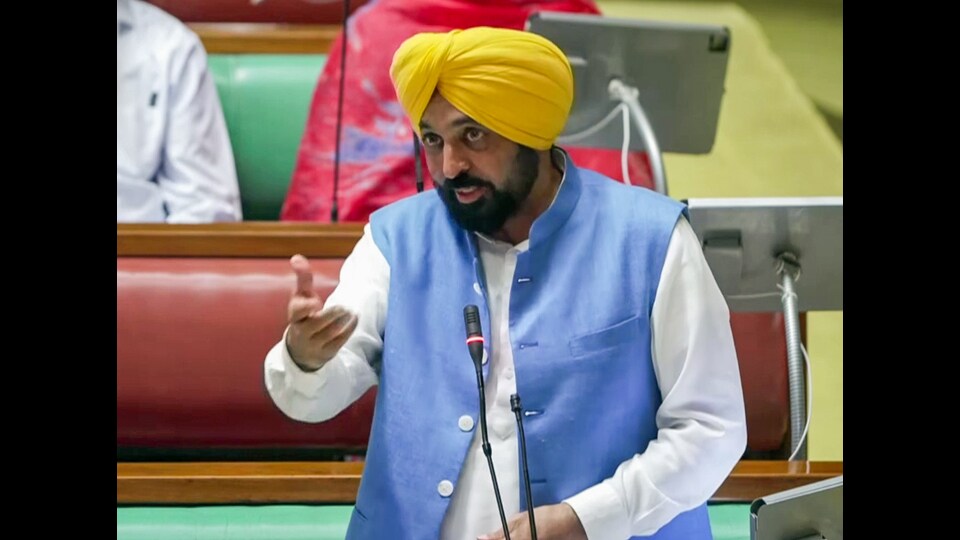
As per the notification, issued by the labour department, the monthly minimum wage for unskilled workers has been increased to ₹13,486 from ₹10,899, while semi-skilled workers will now receive ₹14,383, up from ₹11,679. Skilled workers are entitled to ₹15,414 per month, revised from ₹12,576, and highly skilled workers will earn ₹16,601, up from ₹13,608. The corresponding daily wages range from ₹518.69 for unskilled workers to ₹638.50 for highly skilled workers.
Labour rights activist Vijay Walia said the hike falls short of expectations. “The Punjab government should have increased the minimum wages by at least 30% so that we could match neighbouring Haryana,” he said, adding that workers, particularly in the unorganised sector, are affected.
According to data available, despite the hike, Punjab still trails neighbouring Haryana in terms of minimum wages. “The minimum wage for an unskilled worker in Punjab now stands at ₹13,486 compared to ₹15,220 in Haryana, a gap of ₹1,735,” he said.
Punjab hadn’t revised the base rate of minimum wages since 2012, despite the legal requirement to review it every five years under the Payment of Wages Act, 1936.
Another labour expert, Sardara Singh, echoed similar concerns, calling the revision inadequate.
“This is a classic case of too little, too late. The revision should have happened in 2017 and again in 2022. Because of this delay, the actual benefit to workers is minimal despite the long gap,” he said.


