
 E-Paper



Renewed hope for exiled Tibetans as US President signs Resolve Tibet Act into law
This comes weeks after a bipartisan delegation from the US House of Representatives met the 14th Dalai Lama in McLeodganj near Dharamshala in Himachal Pradesh


The Tibetan community living in exile is filled with a renewed hope after the US President Joe Biden recently signed the Resolve Tibet Act into a law.
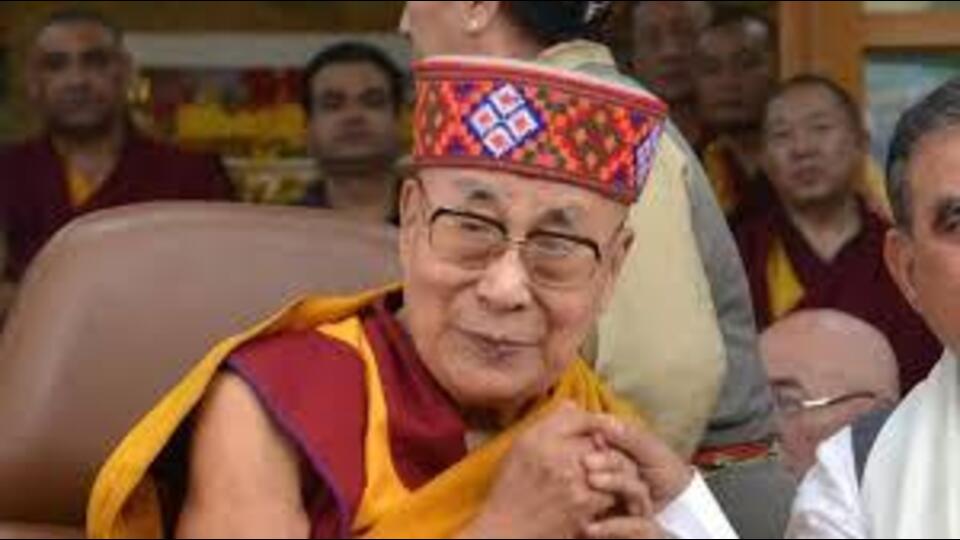
This comes weeks after a bipartisan delegation from the US House of Representatives met the 14th Dalai Lama in McLeodganj near Dharamshala in Himachal Pradesh.
Besides the Central Tibetan Administration (CTA), in Dharamshala, the Tibetan communities across the state have welcomed the move as a historic milestone which sends a strong political message to China. They believe this move will facilitate the resolution of the longstanding conflict between Tibet and China and are optimistic that the law will contribute to pushing the Sino-Tibetan dialogue, which has remained stalled since 2010.
The act aims to promote dialogue without preconditions between the Chinese government and the Dalai Lama, his representatives, or democratically elected leaders of the Tibetan community. The act also asserts that officials of the People’s Republic of China and the Chinese Communist Party are historically inaccurate in claiming that Tibet has been part of China since ancient times.
During a gathering at the Sikyong Hall on Wednesday, which was also attended by the speaker of the Tibetan Parliament-in-Exile Khenpo Sonam Tenphel, the officiating Sikyong Dolma Gyari said that this legislation strengthens the United States’ dedication of advancing the Tibetan people’s aspirations for self-governance and human rights.
CTA spokesperson Tenzin Lekshay said that this is a very important development for the Tibetan movement given the fact that the US government recognises that Tibet was not part of China historically. “Our president (Sikyong) Penpa Tsering, right from the time when he was sworn in, has been telling the world that in order to negotiate with China first thing that international community should do is to recognise that Tibet was historically independent, therefore, this law,which tells the Chinese government to seek dialogue with his Holiness’s representatives and the elected representatives of Tibetan community without any conditions, is very important for the movement,” he said.
“This law also talks about disinformation and misinformation about Tibet. Now the US government has to act upon to challenge the false narratives on Tibet. So any misinformation or disinformation by the Chinese government on Tibet will be challenged by the US government. Now the world is also behind us telling the Chinese what they are doing is wrong,” he added.
Although the Tibetan political leader has claimed the back channel talks with China still exist, the last round of official talks was held in 2010, when the special Envoys of the 14th Dalai Lama visited China for the ninth round of discussions with the Chinese leadership.
“We always remain hopeful, no matter what China is. About the back-channel talks Sikyong has been saying that he is not so hopeful. But somehow we remain hopeful that one day they (China) have to come to talk and resolve the Sino-Tibetan conflict. This law will definitely help in pushing the Sino-Tibetan dialogue forward,” said Tenzin Lekshay.
Meanwhile, Dhundup Gyalpo Bawa, secretary of the Bureau of the Dalai Lama, New Delhi, in his post of X (formerly twitter) on Friday, said, “Tibet has been historically an independent country and no force, whether human or divine, can rewrite this history. The passage of the Resolve Tibet Act itself demonstrates that Tibet is not merely an “internal affair” of China and will remain a matter of international concern until the Sino-Tibet conflict is peaceably resolved through a mutually beneficial dialogue.”
“The issue of Tibet concerns the future of six million Tibetans, not “the personal future” of His Holiness the Dalai Lama. Furthermore, His Holiness has reiterated many times that once the Tibetan people in exile are able to return to Tibet with meaningful autonomy, he will not play any role in the future government of Tibet, let alone seek the Dalai Lama’s traditional political position,” the post added.


