
 E-Paper



The Spice of Life | Our loved ones continue to live on through us
I see my mother’s reflection in my father when he tries to make aam ka aachaar (mango pickle) with finesse and precision. I feel her continuation in my sister’s daily practice of tending her kitchen garden

 Prefer HTon Google


Nothing is more certain than the inevitability of death. While death and dying are universal experiences, we humans are unique in our ability to reflect on our mortality and develop ways to make sense of it.
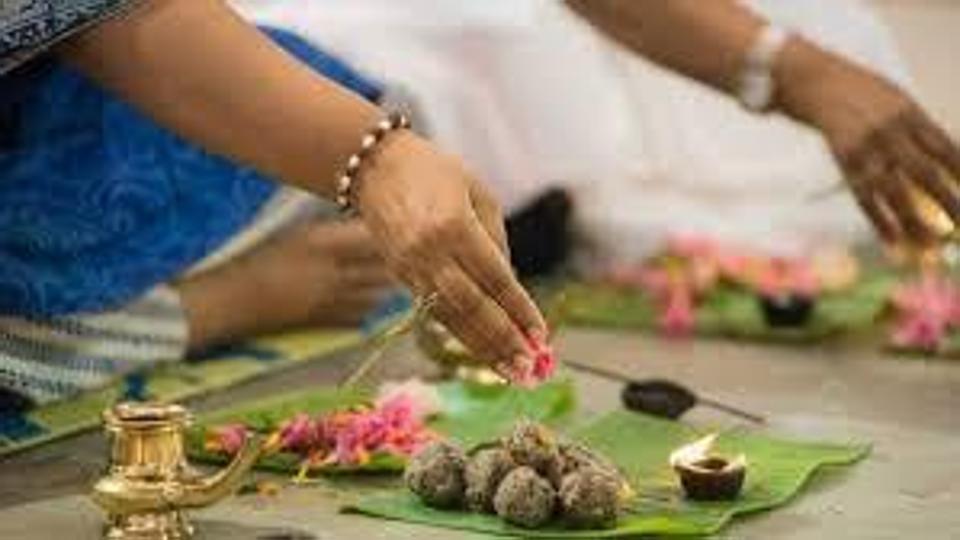
Ancient societies understood death as a separation of the spirit from the body, giving rise to beliefs like animism and ancestor worship. They continued their connection with deceased loved ones by evoking their spirits on special occasions and sensing their presence. In Indonesia, the Toraja tribe exhumes their loved ones, embalms them, dresses them in fresh clothes, and includes them in celebrations. They even take photographs with them, reinforcing the belief in an ongoing relationship.
Over the centuries, various religions have monopolised knowledge on death, prescribing beliefs and rituals to interpret and cope with it. Festivals, such as Pitru Paksha, Halloween, All Saints’ Day, and All Souls’ Day honour the dead, celebrating our relationship with ancestors. Feeding cows/crows in the name of our deceased loved ones, digging graves, celebrating and partying in the graveyards may seem spurious to our rational minds but it actually offers solace to the mind and joy to the heart. The very sense of making a connection with our lost loved ones brings contentment.
With the herald of modernity, death has shifted to the domain of medicine. Yet, even medical science advocates posthumous continuity by encouraging organ donation and pledging the mortal remains for scientific research and learning. Grief experts, too, suggest that maintaining a connection with lost loved ones is a healthy way to process grief.
Buddhist monk Thich Nhat Hanh notes that there is no birth and no death day; it is always a day of continuation; our existence itself is the extension of all our ancestors. I relate to this as I see the continuation of our mother in the mundane activities we do. I feel her existence when I drape her sarees flawlessly and proudly tell everyone that I got this from my mama. I see her reflection in my father when he tries to make aam ka aachaar (mango pickle) with finesse and precision as my mother did. I feel her continuation in my sister’s daily practice of tending her kitchen garden with utmost care; mending our old clothes diligently and up-cycling all the discarded stuff with the same passion as my mother. Her joy echoes when my sister cheerfully announces the bloom of every flower and fruit in my mother’s kitchen garden. Even my brother, who now gets the deal with the best bargain (a skill he never had before), is a reflection of my mother.
In times of grief, we often feel that a part of us dies with those we love. However, my own experience after losing my mother taught me that as we move forward, we don’t just learn to live again; we ensure that a part of our loved ones continues to live through us. This might be the most beautiful way to keep bonds alive, to heal, and to find peace amid loss.
veenat333@gmail.com
The writer is a Chandigarh-based freelance contributor.


