
 E-Paper



Wildbuzz | Air show by migratory birds
The formations have since time immemorial heralded the augury of early winter in the sub-continent as out of the blue emerge the migratory avians winging their way from the freezing regions.


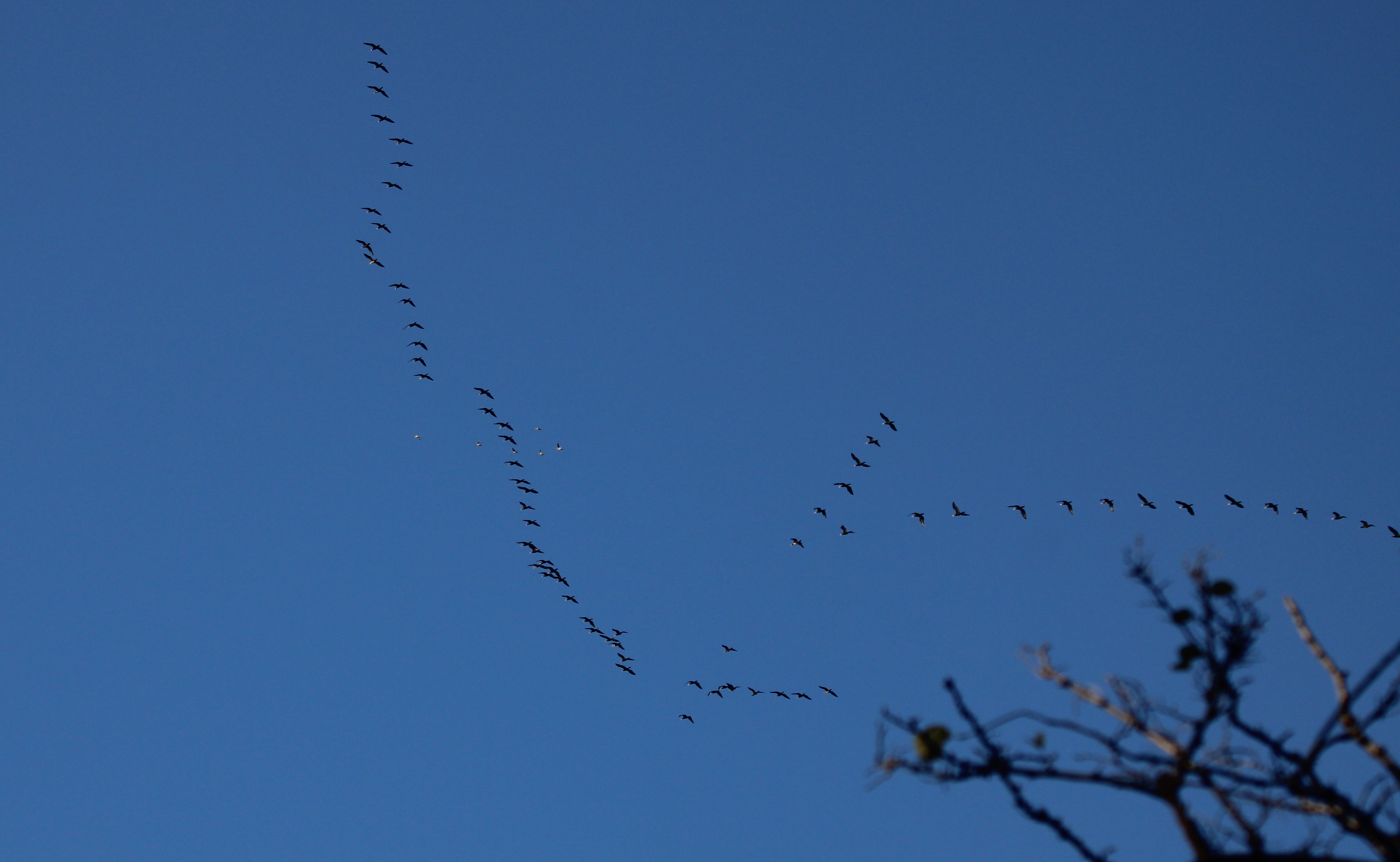
With the environment of the Sukhna lake embraced by the early winter chill and a characteristic serenity following the ear-splitting thunder of the IAF air show, migratory birds from the colder northern latitudes have descended in small batches. Prominent species that have been spotted at the Sukhna in the past few days include the Ferruginous duck, Northern shoveler and the Great cormorant. The birds have not quite settled down at the lake and take recourse to swift, wheeling flights while the cormorants circle the lake at great heights in classic V-shaped formations.
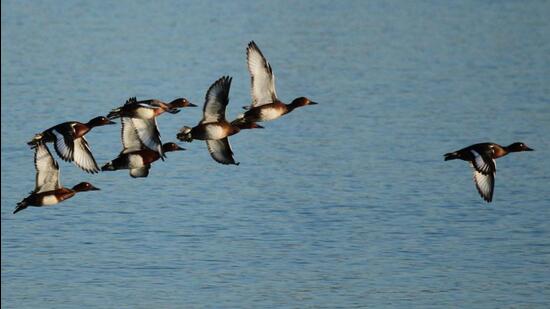
The formations have since time immemorial heralded the augury of early winter in the sub-continent as out of the blue emerge the migratory avians winging their way from the freezing regions. The V-shaped formations etched against the azure winter skies are as good a seasonal marker as the leaves turning auburn in their last autumnal blaze. Bird watchers at the Sukhna would be pleased at the appearance of 20 of the Ferruginous ducks classified as a ‘near threatened’ species by the International Union for Conservation of Nature (IUCN).
The Ferruginous pochard is a dapper, diving duck with the male having white eyes. The pochard takes its name from its plumage which is like the colour of rusting iron. Over the years, the Ferruginous presence at the lake has noticeably declined from a high of 110 specimens observed in October 2009. This species tends not to stay at the lake through the winter unlike flocks of Ruddy shelducks, Common pochards, Tufted ducks and Great cormorants that stay put in Chandigarh’s beauteous wetland. As the winter will deepen over the lake, bird watchers will get to know whether the current Ferruginous flock keeps to the species’ tradition of passage migration through the Sukhna.
Notwithstanding the arrival of the early flocks, the Sukhna does not look to host a variety and great number of migratory waterfowl this winter as the water is far too deep and lacking in basking spots and foods that are attendant to shallow, marshy wetlands.
Foes of the farmer
Visitors to the Sukhna would no doubt admire the spectacle of Great cormorant flights but to the numerous fish farms in the Tricity hinterland and fish contractors engaged at the Shivalik check dams, the flights are akin to wave after wave of “evil, black bombers” that can kill off their catch at the rate of 800g per bird. At the Sukhna, the cormorants are safe and two trees gone white with cormorant droppings towards the jungle side of the lake bear testimony to the hospitable habitat. The lake has lots of fish and the cormorants are protected here and not hounded.
However, outside the lake, the cormorants face a barrage of intimidatory tactics. Amongst the most wary and stubborn of wild birds, cormorants play the cat-and-mouse game with fish farmers, who burst crackers, tether nylon lines/nets over the water to ward off cormorants, cut trees where they roost, and sometimes kill them illegally with shotguns, .22 rifles and poison. Fish farmers complain they spend an estimated Rs. 20,000 per hectare to protect their stock from cormorants. But cunning and bold cormorants learn to dodge the defense systems and frustrate the farmers. Left to fish farmers, not a single ‘tourist visa’ would be granted to cormorants for an Indian winter visit!
vjswild1@gmail.com


