
 E-Paper



Wildbuzz | The great Indian rope trick
n a nutshell, what the public perceives as the bear dancing to the commands of the kalandar “charmer” is actually a response of an indoctrinated and battered bear to intense pain inflicted through a devilish contrivance

 Prefer HTon Google


We may choose to entertain the fanciful beliefs that cobras “dance joyously” to the snake charmer’s flute and that the serpents “relish” the milk poured down their throats by eager devotees on nag panchami. We may not care a damn to ascertain the truth about these illegal street shows featuring trapped serpents that thrive on concealed suffering to the supposedly performing and obliging nags.
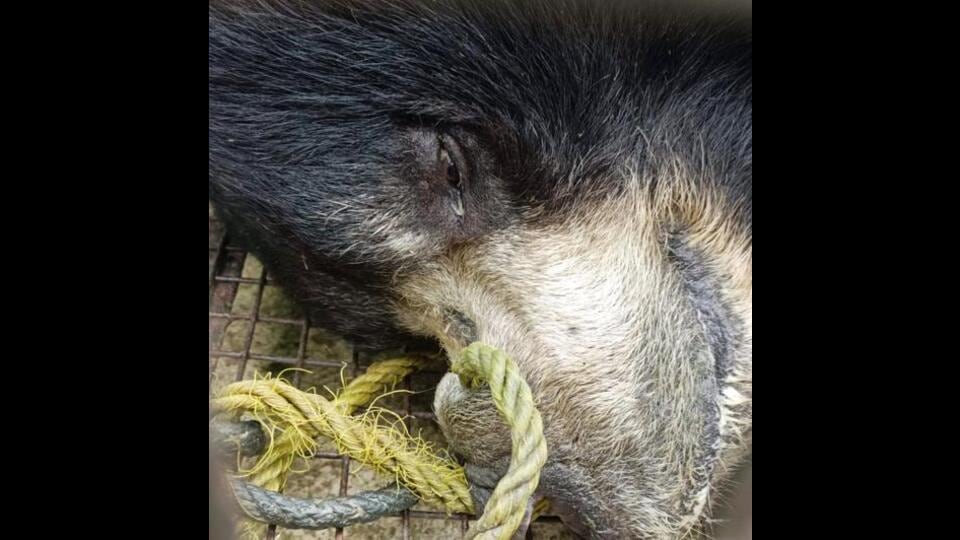
In a related field of street exploitation, alarm bells are ringing in wildlife conservation circles over the sporadic resurfacing of Sloth bear dance performances, an evil perceived as virtually eradicated in India though there were reports of it being sustained in Nepal via our porous borders. In a nutshell, what the public perceives as the bear dancing to the commands of the kalandar “charmer” is actually a response of an indoctrinated and battered bear to intense pain inflicted through a devilish contrivance. To the plain, unknowing, not-wanting-to-know eye of the street public, the contrivance may appear a harmless “muzzle ring” or a more culturally evocative “nose ring” which the kalandar charmer uses with a nonchalant air to control and choreograph the fierce-looking creature.
The so-called dancing bears are recruited from cubs stolen from their mother or by simply slaughtering the mother. Captive cubs are “indoctrinated” for street performances. Their noses / muzzles are burnt through with a sizzling rod and a coarse rope inserted. The rope is used for control by inflicting violent pain in the wounded muzzle through tugging the sensitive muzzle. Additionally, the bear is beaten with sticks to induce subservience at the “dance academy”. Performing bears are given such street show-enticing names as ‘Rangila’ and ‘Sridevi’. Certainly, an entertaining bear’s “life at the end of a rope nose ring” is a malevolent caricature of the performing arts and anything but the iconic nose ring ornamentation that lends charm to women dance performers. The blinded public cheers and flicks coins onto a “dance stage”, recalling the horrors of Roman arenas and contemporary Pakistani entertainment of baiting chained bears with vicious dogs.
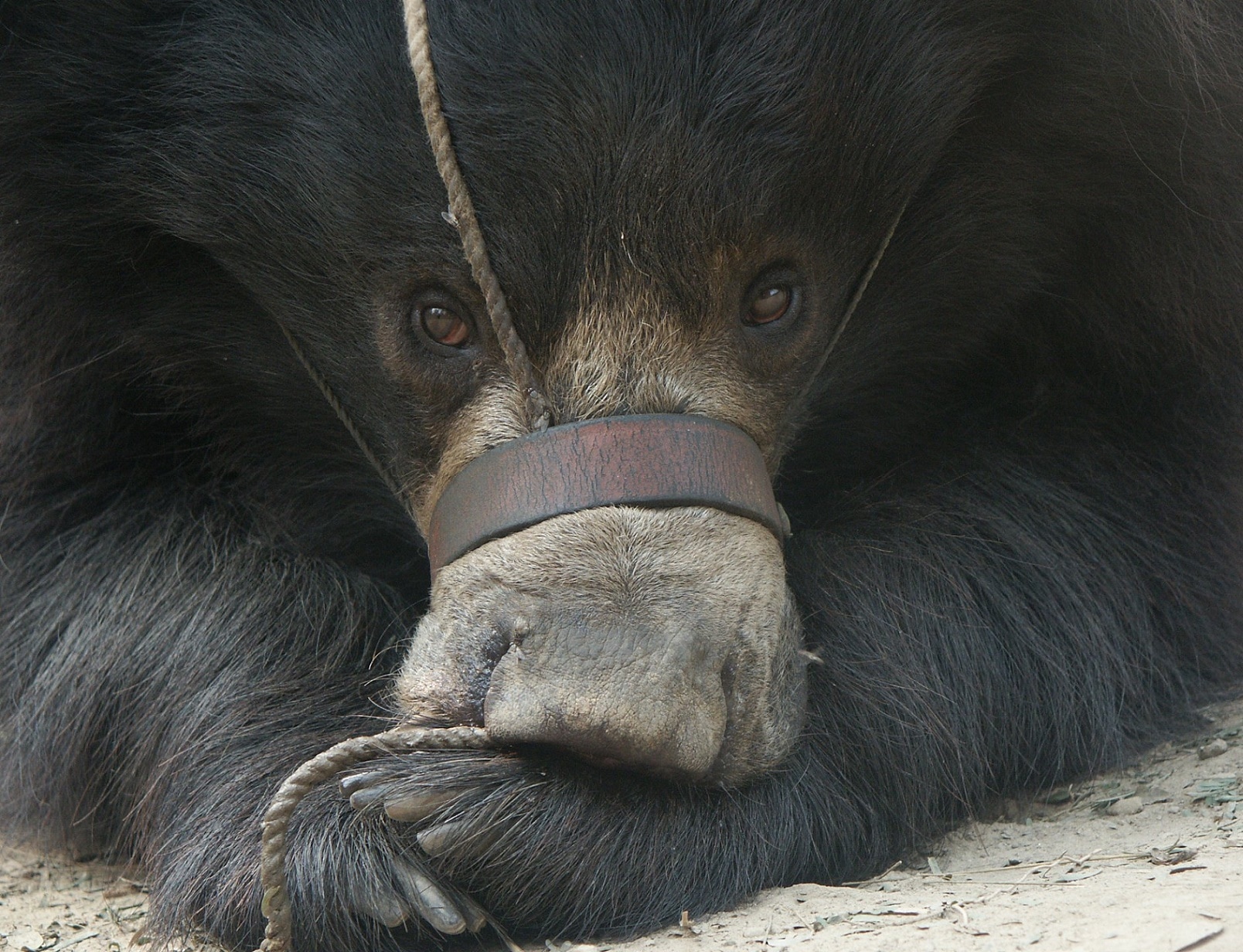
Recently, the West Bengal Forest department seized a dancing bear being transported in a cramped auto-rickshaw. “The bear’s teeth had been smashed with metal rods and the delicate muzzle pierced. A thick, coarse rope was threaded through the fresh wound which was then used to control every move. This short rope causes bears agonising pain, forcing them to rear to their feet in distress every time the kalandar master pulls at it to induce a ‘dancing’ performance on demand. The wounds remain severe and untreated. Such bears may be unfit to survive in the wilderness due to extensive wounds and human imprinting,” Arinita Sandilya, spokesperson for the NGO, Wildlife SOS, told this writer.
“These captive bears lived in extremely stressful conditions, in cramped and unhygienic environments with little attention to nutrition and veterinary care. The bear becomes susceptible to contracting disease and viruses and many suffer from dental problems, hepatic disorders and arthritis, due to years of suffering and abuse,” added Sandilya.
For over 400 years, the Sloth bear has been a target. A nomadic community, the kalandars, began ‘dancing’ sloth bears for Mughal Emperors. As kingdoms marched into the sunset, the “dancing” bear trade transitioned to cheap roadside entertainment for villagers and tourists who paid to watch the bears. Entrapped by poverty and lack of education, the kalandars depended on the illegal practice of bear dancing. The kalandars kidnapped cubs so that they could, in turn, feed their own children.
However, in 2009, Wildlife SOS and the government of India made history by initiating a crackdown on this brutal practice and 620 bears were rehabilitated at four sanctuaries. The bear rehabilitation centres are run by Wildlife SOS with the support of global partners: International Animal Rescue (IAR), Hauser Bears & others.
vjswild1@gmail.com


