
 E-Paper



With monsoon around the corner, Chandigarh gears up to combat spread of vector-borne diseases
According to a senior officer of the Chandigarh health department‘s malaria wing, a comprehensive door to door survey was started early in the year to check the spread of vector-borne diseases

 Prefer HTon Google


Taking a proactive approach to combat the spread of vector-borne diseases, the health department’s malaria division is taking the required initiatives. With 150 individuals already fined and 3,300 notices issued for larvae infestations, the department is taking strong measures to ensure public health and safety.
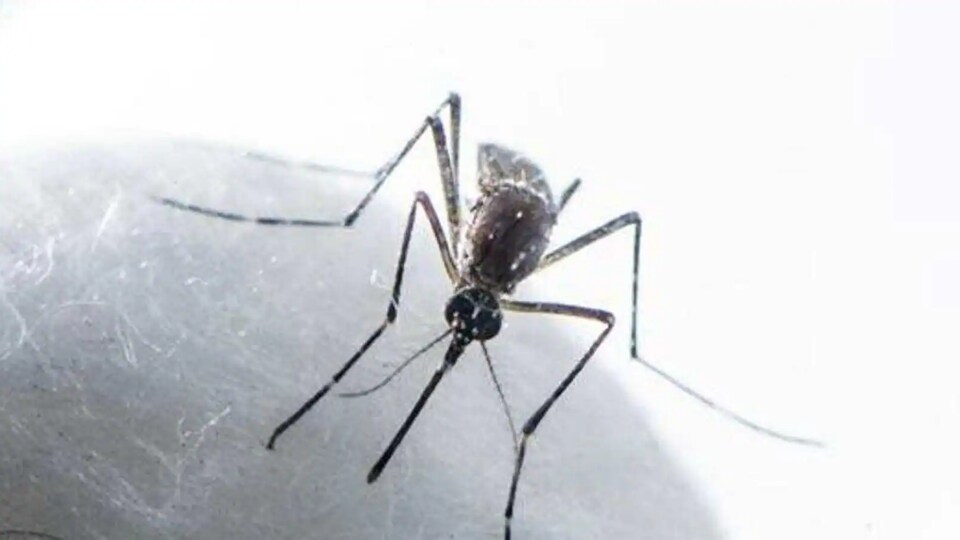
According to a senior officer from the malaria wing, a comprehensive door to door survey was started in January. Additionally, from April 1, fogging operations covering a total of 486 locations were initiated. Furthermore, spraying has been done at 2,379 indoor and outdoor locations, along with 186 locations using handheld machines. As a control measure, gambusia affinis fish have been put into the ponds and nurseries that are susceptible to larvae breeding. The fish eat mosquito larvae as soon as they hatch from the eggs.
The malaria wing officials conducted inspections of 405,316 houses and examined 59 lakh containers, including 22,829 overhead tanks. During the inspections, it was observed that 1,959 tanks were left uncovered, resulting in the issuance of notices and imposing fines on some of them. So far, the department has also issued 70 show cause notices to government setups in the city. Two cases of malaria have been found in the city.
Mani Majra is identified as the primary hotspot in the city, with Mauli Jagran, Burail, Daria, Dhanas, and Ram Darbar following suit. To raise awareness among the residents of these areas, the department intends to arrange special stage plays and skits. Additionally, in hotspot and slum regions, the department will distribute insecticide-treated mosquito nets, specifically designed for this purpose.
According to a senior officer from the malaria wing, the primary breeding spots for mosquito larvae are uncovered pots used for bird feeding, as they are often left unattended in open areas. Additionally, flowerpots and trays, coolers, trash, unused tanks, and discarded tyres found on the ground are also highly susceptible areas for larvae breeding.


