
 E-Paper



Colonies of leprosy survivors lack basic facilities, says report
Colonies lack facilities like drinking water, drainage system, community toilets and are dealing with unemployment as they lack educational facilities


A survey undertaken by Sasakawa - India Leprosy Foundation (SILF), claims leper colonies in Maharashtra lack basic facilities like drinking water, drainage system, community toilets and are dealing with unemployment as they lack educational facilities.
The survey was undertaken in the past two years and the report was released in November 2019.
Tehseen Zaidi, manager communications and advocacy, Sasakawa- India Leprosy Foundation, said, “During the survey, we visited 16 colonies spread across Maharashtra with most of the colonies located in central India, with Amravati, Akola and Miraj having the maximum colonies.”
According to the report, the colony in Jivanvikasnagar, Solapur, has 348 people, which includes 177 people affected and cured who are facing an acute unemployment problem. Similarly, the Meghjibaiwadi colony in Miraj has a population of 412 with 142 members belonging to the affected and cured section, but have managed to work well within the colony. While people in three colonies in Amravati: Lokmata Indira Gandhi colony, Old Pandurangwadi, and New Pandurangwadi are not getting houses under the Rajiv Gandhi Awasyojana, lack medical facilities within their colony and do not have proper drinking water facilities, and face land issues.
While Swadhanagar in Kolhapur has a population of 286 with 115 affected and cured population are in dire need of drainage system, repairs to the community hall and they are using a hand pump to draw water.
With this report, the foundation plans to ensure sustainable dignified livelihood with focus on training and capacity building so that leprosy-affected people and their children can get employable skills for self or wage employment.
According to the World Health Organisation’s (WHO) Global Leprosy Data for 2018, India was at the top of the list with 1,20,334 cases, with Brazil coming in second with 28,660 cases.
Zaidi, said, “Despite global efforts to repeal laws that discriminate against those affected by leprosy, adults still face crippling social barriers and children are deprived of education or subject to bullying and rejection due to stigma associated with the disease. Hence to create awareness about the social stigma, the foundation has been working to mainstream persons affected by leprosy and their families through socio-economic empowerment, thereby fighting stigma and restoring the dignity of persons affected by leprosy.”
Youth festival to break stigma and discrimination
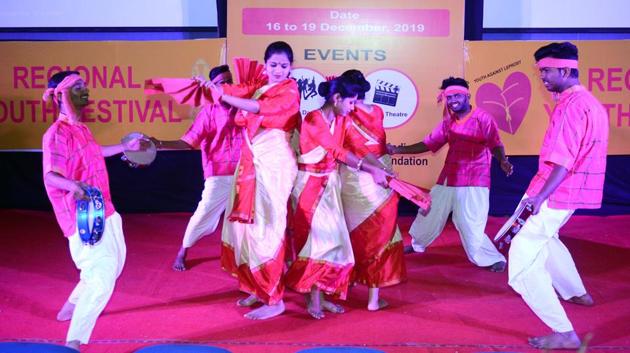
Sasakawa - India Leprosy Foundation (SILF) was in Pune as organisers of the youth festival, ‘Youth against Leprosy’ where 60 students, 30 from leprosy colonies in Maharashtra and 30 from regular homes came together to break the stigma and discrimination on Leprosy in a unique youth festival which was held in College of Engineering Pune (COEP) from December 16 to 19. Earlier such festivals were organised in Uttar Pradesh and Madhya Pradesh.
The festival is a part of S-ILF’s programme to raise awareness about leprosy as part of 150th Birth Anniversary of Mahatma Gandhi, whose contribution to ending leprosy is well known
CP Tripathi, advisor, CSR Bajaj Auto, who was the chief guest for the event, said, “It is important to remove all the stigma associated with the disease.
Ruth Chambhare, studying nursing in college in Nashik, and resident of the Antulay Colony, Yerwada, couldn’t control her emotions and broke down while talking about how being a child of leprosy-affected parents made her keep distance with regular people. “Growing up in the colony, I could not make friends, people use to keep their distance the moment I mentioned that I lived in the colony. Chambhare’s fingers are affected, though she has been cured of leprosy.


