E-Paper



ISRO experts revealed mix of rockfall, snow avalanche caused Chamoli tragedy: CM
Expert from Wadia Institute of Himalayan Geology also claimed that a mix of rockfall and snow avalanche led to the Chamoli tragedy.

 Prefer HTon Google


Uttarakhand chief minister Trivendra Singh Rawat said that Indian Space Research Organisation (ISRO) scientists have revealed that the Chamoli tragedy was caused by a mix of snow and rock avalanche and that satellite images have shown no glacier breakage there.
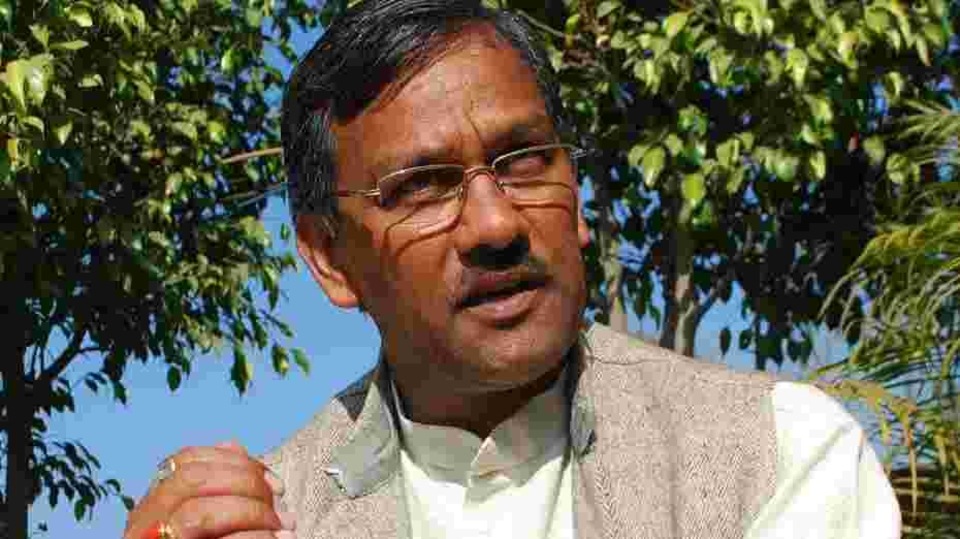
CM Rawat told this to reporters after chairing a meeting of senior government functionaries, senior officers of the Army, the ITBP and ISRO scientists.
The chief minister said that ISRO scientists told him that a few days back there was snowfall in the affected area. “And from one trigger point due to rockfall at the top, it all slid downwards. Due to this, lakhs of tonnes of snow came gushing down which led to the tragedy. The ISRO scientists said the satellite imagery doesn’t show any glacier breakage and that this area is not avalanche-prone”.
In a similar vein, Pradeep Srivastava, a scientist at Wadia Institute of Himalayan Geology Dehradun said that preliminary data suggests Chamoli tragedy was not caused by any glacial outburst but took place due to the sliding of the rock mass exposed on the top of the glacier and snow avalanche.
Also read: 'Hanging glacier broke away from main structure in Uttarakhand' - DRDO
“Due to freezing and thawing, rock mass broke away and slid down. Data suggests 0.2 km rock mass broke away and slid down, adding to the debris accumulated down the glacier. This created a melting layer near debris and the sliding snow. The rock avalanche was evident from the huge clouds of dust that came down with the flowing muck and debris”.
Srivastava said on February 6 there was snow in the area and on February 7 the average temperature was 5 to 6 degrees there, which was enough to melt the snow.
“Satellite imagery shows snow on February 6 and no snow on the slopes on February 7. So it seems that it was a mix of snow avalanche and rock avalanche which led to the disaster,” he said.
Srivastava said in a glacier there are many sources of water.
“Water can come from surface snow, from big cavities in glaciers and water trapped in crevices. Besides, water also melts due to pressure from the base of the glacier. But our teams will inspect the area and give details about what exactly happened there,” he said.