
 E-Paper



40 Barapullah drains to be trapped before monsoon to stop sewage, DJB tells NGT
The NGT is hearing a clutch of pleas, including one by the Nizamuddin West Resident Welfare Association (RWA), seeking remedial measures to treat the Barapullah and its subsidiary drains.

 Prefer HTon Google


In a major step towards cleaning the Barapullah drain ahead of the monsoon, the Delhi Jal Board (DJB) has informed the National Green Tribunal (NGT) that 40 of the 43 supplementary drains discharging into it will be trapped and connected to sewage treatment plants (STPs) by June 30.
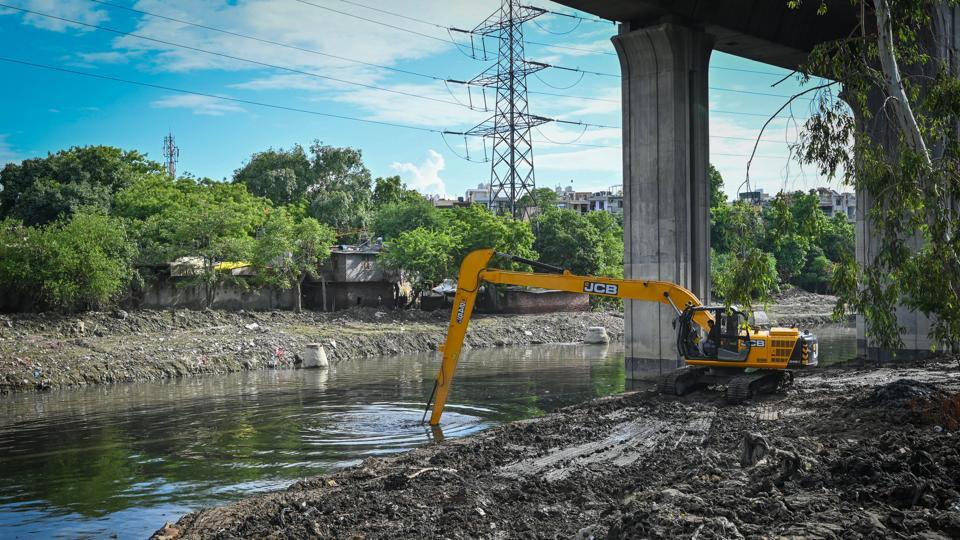
Of the remaining three drains, two require long-term sewerage works expected to be completed by 2028, while discussions are underway with the New Delhi Municipal Council (NDMC) regarding the third, according to the DJB’s latest submission.
The NGT is hearing a clutch of pleas, including one by the Nizamuddin West Resident Welfare Association (RWA), seeking remedial measures to treat the Barapullah and its subsidiary drains. Residents have claimed that several areas of south Delhi were waterlogged during the monsoon due to the non-desilting of these drains.
In August last year, after the NGT was told that 43 stormwater drains in south Delhi were discharging untreated sewage into the Barapullah drain, the tribunal asked the authorities to work out a permanent plan to prevent such discharge.
In its latest submission, dated February 23, the DJB stated that it is adhering to the principle of “trapping drains at source” to stop sewage from flowing into stormwater drains.
“Of the total 43 identified drains, 15 have already been successfully trapped,” the submission said, adding that another three are expected to be trapped and connected to STPs by March 31.
Further, 22 drains are targeted to be trapped by June 30, around the time the monsoon is expected to reach the capital. By then, the Barapullah drain should only be receiving sewage from the three remaining supplementary drains.
“One drain is carrying discharge from the NDMC area, and the matter is presently under active discussion with NDMC authorities for necessary compliance,” the submission stated, adding that the issue concerning the other two drains is long term, as they flow through unsewered areas.
These include a supplementary drain covering Mehrauli, Chhatarpur, Saket and Dakshinpuri, and the Saidullahjab drain.
“To address the discharge from these areas, a comprehensive sewerage network along with two decentralised sewage treatment plants (DSTPs) has been planned, and tenders are being invited for the works,” the DJB submission said, adding that unauthorised colonies falling within the catchment of the proposed DSTPs are largely situated on forest land and in declared affluent areas.
“To lay the requisite sewer lines through such forest land and declared affluent colonies, permissions from the competent authorities are mandatory,” the DJB said, adding that it wrote to the DDA and the forest department on January 12 this year, but their responses are awaited.
The DJB reiterated that once all 43 sub-drains are trapped, there will be no discharge of untreated sewage into the Barapullah drain.


Stay updated with all top Cities including, Bengaluru, Delhi, Mumbai and more across India. Stay informed on the latest happenings in World News along with Delhi Election 2025 and Delhi Election Result 2025 Live, New Delhi Election Result Live, Kalkaji Election Result Live at Hindustan Times.


