E-Paper



78% commuters use smart card, says Delhi Metro
The Delhi Metro Rail Corporation (DMRC) on Sunday said smart card usage in the Delhi Metro network has seen a significant surge this year with around 78% of its commuters using such cards for commuting by Metro since January, compared to around 70% smart card users during pre-Covid times

 Prefer HTon Google


The Delhi Metro Rail Corporation (DMRC) on Sunday said smart card usage in the Delhi Metro network has seen a significant surge this year with around 78% of its commuters using such cards for commuting by Metro since January, compared to around 70% smart card users during pre-Covid times.
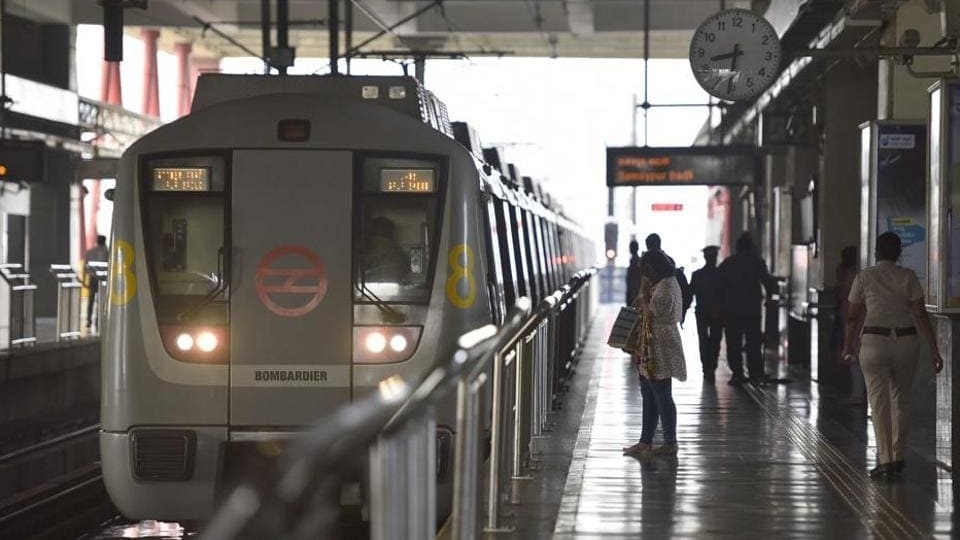
DMRC officials said additional discounts on journeys through the smart card and dedicated exit gates for smart cards have made them a more viable option for daily commuters as compared to tokens.
“On an average, around 10-12,000 Metro smart cards are being sold each day. The DMRC also has the provision of dedicated exit gates for smart card users at a majority of the Metro stations,” said Anuj Dayal, principal executive director, corporate communications, DMRC. “In addition, a flat 10% discount is provided on each journey and additional 10% discount is provided if a commuter undertakes a journey by entering the Metro system during defined off-peak hours,” he added.
For a brief period in 2020, all commuters had to avail smart cards to travel by Metro for around four months, when Metro services resumed after a 169-day complete shutdown from September 2020 onwards. The sale of token was prohibited during that period.
In 2002, the Delhi Metro became the first metro rail in the world to introduce Contactless Smart Tokens (CST) and Contactless Smart Cards (CSC) in place of paper tickets to travel by Metro. While earlier, these smart cards had to be procured from foreign vendors, they are now completely manufactured in India as part of the ‘AatmaNirbhar Bharat’ mission. Currently, around 25 million Metro smart cards are in circulation.
The DMRC has also launched various initiatives to facilitate easy top-up of smart cards to avoid queues and save time at Metro stations. This includes the option of smart card top up through TVMs, launch of Metro combo cards with various banks, credit or debit card transaction facility at stations and net banking using dmrcsmartcard.com.
Officials said the DMRC is aiming to increase the usage of smart cards and reach levels similar to other Metro systems, such as Singapore and Hong Kong, where almost 100% of the users rely on smart cards. “We are moving in that direction,” said a DMRC spokesperson.