
 E-Paper



‘Airlines continue to face losses due to Covid, Ukraine conflict’: SpiceJet chairman at HT Tourism Conclave
India’s priorities were different, and the government’s situation was difficult, which did not allow them to support airlines financially, SpiceJet chairman Ajay Singh said, as he claimed global airlines like Emirates, and Lufthansa received total aid worth over $16 billion from their governments.


Indian carriers continue to face losses due to disruptions caused to the aviation industry by the Covid-19 pandemic followed by the Russia-Ukraine crisis, SpiceJet chairman and managing director Ajay Singh said at the HT Tourism Conclave.
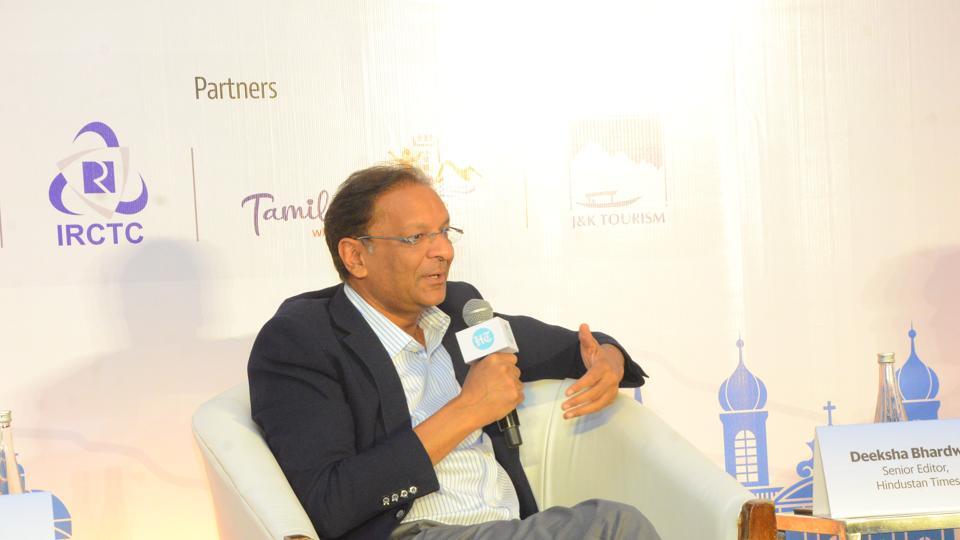
“Currently, all airlines are facing losses. A big hole was created during the Covid-19 pandemic across the world, the difference being the foreign governments realised the pandemic was a big issue and supported airlines by paying them money,” Singh said.
India’s priorities were different and the government’s situation was difficult, which did not allow them to support airlines financially, the SpiceJet chairman said, as he claimed global airlines like Emirates, Singapore Airlines, Lufthansa and American carriers received total aid worth more than $16 billion from their governments.
Soon after the second wave of Covid-19 pandemic (March to May 2021), air traffic started picking up but was interrupted after Russia’s invasion of Ukraine led to rise in oil and jet fuel prices, Singh said.
“Today, of every ₹100 revenue we get, we are giving ₹70-75 to oil companies. We are expected to pay the airports, taxes, salaries, aircraft and maintenance from the remaining amount which is impossible,” he said.
The SpiceJet managing director called for structural changes in the Indian aviation sector.
“Dubai, Doha and Singapore are all (airport) hubs, majorly because of Indian traffic. With the massive potential India has, we need to make structural changes. Our policies and our structures never allowed India to become a hub,” he said.
“India is the only country in the world that charges import parity prices for fuel which makes fuel prices inherently high, on top of which airlines have to pay an excise duty of 11%, average VAT (value added tax) of 20% and do not get input tax credit. Indian airlines are weaker as a consequence and therefore, we have never been able to build a global hub,” he added.
On SpiceJet’s future plans, Singh said the airline is trying to get new aircraft into their fleet.
“We plan to fly to new destinations, both domestic and international. We are the only airline that operates 16 airports in the country today,” he said.
Asked about the airline’s plans to cope with consistent financial losses, Singh said: “We have to find our own ways to fight the losses and I hope fuel prices come down.”
“India variation is funded by the sale and leaseback model (or SLB wherein an airline buys an aircraft, sells it to a lessor and then leases the plane back; it helps conserve cash) and SpiceJet will also follow the same model. Over the next few months, we will raise an equity of $200 million. We also have the government’s guarantee-linked credit scheme that is being used by some airlines now. We will also use SLBs and raise some new equity,” he added.
On August 31, the low-cost airline reported a net loss of ₹789 crore for the quarter ending June 30, 2022 as compared to a net loss of ₹729 crore in the quarter ending 30 June, 2021, as business was severely impacted by record-high fuel prices and a depreciating rupee, according to a Mint report.
The airline was recently under the scanner of the Directorate General of Civil Aviation after various incidents of safety and technical glitches were reported.


