
 E-Paper



Delhi: Cops seek nod for AI traffic management plan
Delhi Police proposes an AI-enabled Integrated Traffic Management System to reduce congestion and improve enforcement, pending approval from the MHA.

 Prefer HTon Google


The Delhi Police has proposed an artificial intelligence (AI)-enabled Integrated Traffic Management System (ITMS) to ease traffic congestion, reduce travel time, and strengthen automated enforcement across the city. The proposal, submitted to the Ministry of Home Affairs (MHA), is currently awaiting approval, officials aware of the matter said.
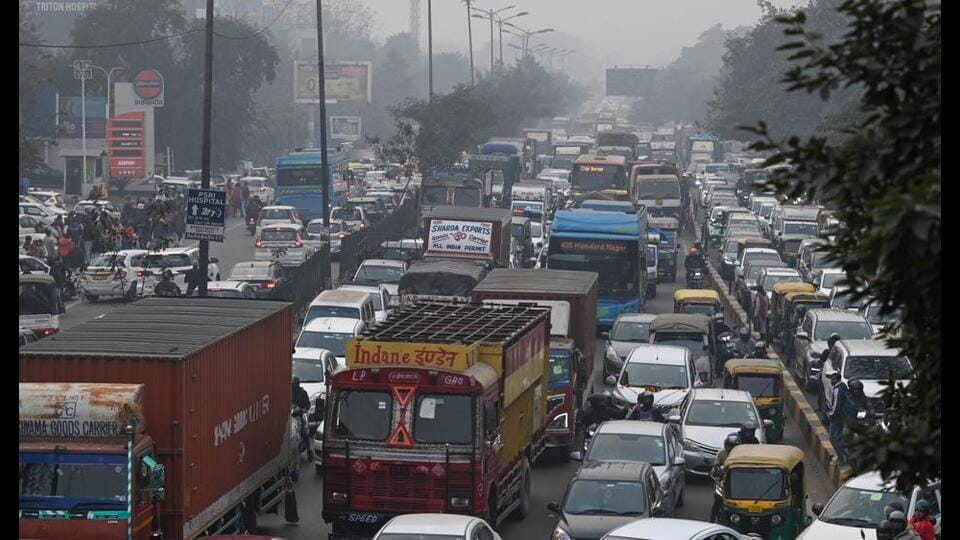
According to the proposal, the ITMS will rely on advanced analytics, smart traffic signals and real-time decision support systems (DSS). The project is intended to address challenges such as traffic congestion, longer commute durations and enforcement limitations on key arterial roads, officials explained. Once cleared by the MHA, the system will be implemented over a period of 24 months in three phases.
“The phased rollout is aimed at ensuring gradual integration of technology and minimising disruption to existing traffic operations. The implementation will start as soon as MHA approval is received,” an official said.
The details of the plan were shared by Delhi government as part of its pollution action plan for 2026 submitted to the Commission for Air Quality Management (CAQM).
The proposal document stated that under phase 1, the system will be commissioned across five traffic corridors within the first 12 months. This phase will include installation of 250 adaptive signal junctions and 271 enforcement points. Phase 2, scheduled for completion within 18 months, will see the addition of seven more corridors, 222 signalised junctions and 236 enforcement points.
The final phase, to be completed within 24 months, will involve a significant scale-up, with 30 additional corridors, 620 signal junctions and 522 enforcement locations coming under the ITMS framework.
“In total, the project is expected to cover dozens of major corridors across the city, supported by a dense network of automated enforcement and signal management infrastructure. The system will integrate automatic number plate recognition (ANPR) technology with automated challan mechanisms, enabling real-time detection of traffic violations and seamless enforcement,” the official said.
The proposed platform will also use intelligent traffic signals and integrated communication systems to manage traffic flow based on live conditions, the document mentioned.
Pilot projects involving smart signals have been tested at select junctions in the past, while Delhi Police and civic agencies have periodically flagged the need for an integrated, city-level traffic control system to cope with rising vehicle numbers and congestion. Neighbouring cities like Gurugram and Noida already have a functional ITMS in place.


Stay updated with all top Cities including, Bengaluru, Delhi, Mumbai and more across India. Stay informed on the latest happenings in World News along with Delhi Election 2025 and Delhi Election Result 2025 Live, New Delhi Election Result Live, Kalkaji Election Result Live at Hindustan Times.


