
 E-Paper



Delhi govt agencies told to make pollution combat plans
The exercise is part of the government’s plan to formulate a 10-point winter action plan to combat pollution from internal as well as external factors, and set up specific strategies to prevent the air quality from going into the dangerous zone, like every year.

 Prefer HTon Google


The Delhi government on Tuesday asked several agencies to submit by September 21 a detailed plan on managing various factors responsible for the spike in air pollution during winters in the city.
The exercise is part of the government’s plan to formulate a 10-point winter action plan to combat pollution from internal as well as external factors, and set up specific strategies to prevent the air quality from going into the dangerous zone, like every year.
Delhi environment minister Gopal Rai on Tuesday organised a meeting of various agencies in the Capital, to set targets for winter. The recommendations by each agency will form a part of the final plan which is expected to be released by September 30. Rai said the effort is aimed at checking pollution sources within Delhi, as well as those in the neighbouring states.
Addressing a press conference, Rai said in the Tuesday’s stakeholders’ meeting, agencies were tasked with controlling and managing various aspects of pollution control. The environment minister and chief minister Arvind Kejriwal have also sought a meeting with the Union environment minister to discuss the contribution of pollution from the neighbouring states, and talk about ways in which this can be tackled.
Representatives from the three municipal corporations (north, south and east), Delhi Pollution Control Committee, environment department, transport department, Delhi traffic police, Public Works Department (PWD), Delhi Development Authority, Delhi Cantonment Board attended the meeting.
“Each agency has been tasked to formulate a detailed plan, which needs to be submitted by September 21. Based on these individual plans, a holistic winter action plan will be released by September 30,” Rai said.
Senior environment department officials said they have identified some of the major factors that contribute to the poor air quality in the city such as stubble burning, vehicular emissions, road and construction dust, waste burning and poor management of pollution hot spots.
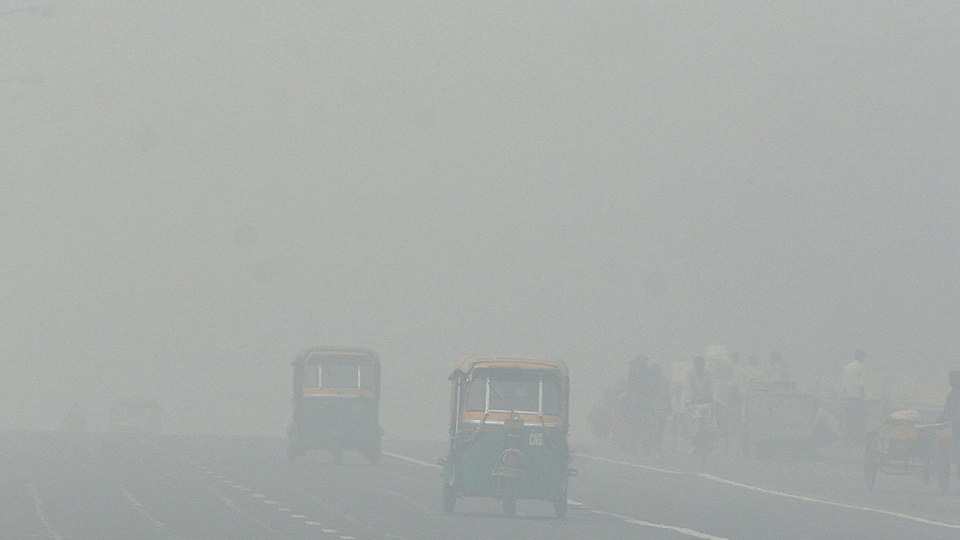
Despite several action plans, including the Supreme Court directed Graded Response Action Plan (Grap), being in place, every year during winters, Delhi’s air slip into emergency zone, turning the Capital’s air hazy and a public health hazard.
Meteorological factors such as low temperatures, low wind speed and unfavourable wind directions, along with unchecked local pollution sources such as road dust, garbage burning, and vehicular emissions contribute to turn the national capital into a gas chamber.
An analysis by the Centre for Science and Environment (CSE) showed that in 2020, there were 23 days when Delhi’s particulate matter 2.5 concentration (PM 2.5) was in the ‘severe’ or worse categories.
On Tuesday, the environment minister said to monitor the effective implementation of the winter action plan, the environment department has been assigned the task of coordinating with all other agencies.
Explaining what tasks each agency will have to undertake, Rai said, “The work of controlling garbage burning has been assigned to the municipalities. They will have to come up with a plan to ensure that this garbage reaches the proper disposal sites.”
Similarly, he said, the Delhi Traffic Police have also been asked to come up with steps for smooth traffic at congestion hot spots, and also repair traffic signals.
“When vehicles are stuck at a spot for several minutes, it leads to an increase in pollution levels in the area. We have asked the traffic police to make a list of the congestion hot spots and try to come up with solutions to fix them,” Rai said.
Environment experts, however, said the true test of this winter action plan will be in its implementation. “While the direction that they have taken with identifying the sources contributing to Delhi’s air is right, but the true test of this action plan will be how well this is implemented,” said Anumita Roychowdhury, executive director (research and advocacy), Centre for Science and Environment.


