
 E-Paper



Delhi govt to study impact of City of Lakes project
The decision was taken at a meeting of the Delhi Jai Board (DJB) that was presided over by deputy chief minister Manish Sisodia


The Delhi government has decided to commission studies to assess the impact of newly created water bodies under the City of Lakes project of Delhi Jal Board, deputy CM Manish Sisodia who also holds the DJB chairman position, said while also directing increase in the capacities of lakes being constructed in Rohini.
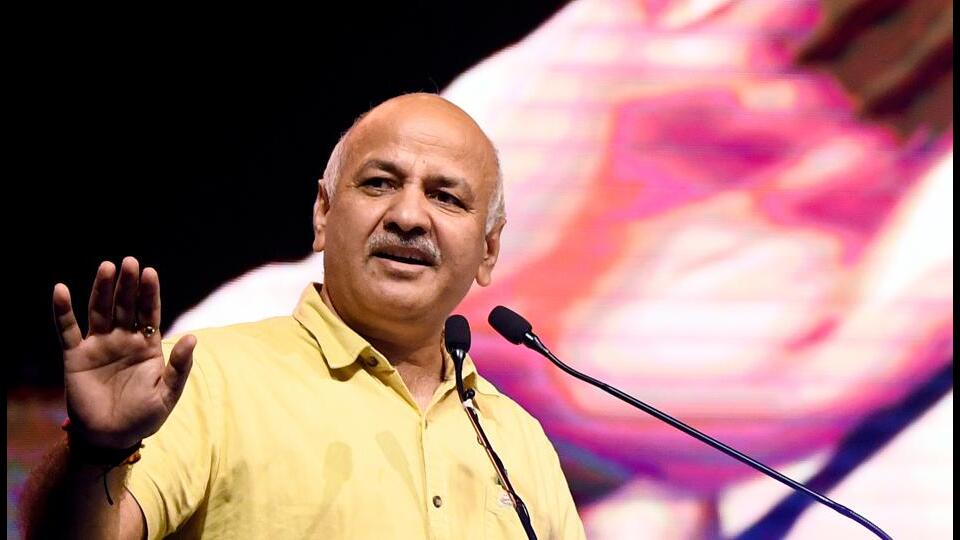
In its board meeting held on Saturday, DJB has approved multiple projects related to Yamuna cleaning, increasing capacity of Sewage Treatment Plants and artificial lakes.
Sisodia said that DJB has constructed various artificial lakes in Delhi to recharge groundwater at sites like Pappankalan, Dwarka, Najafgarh, Nilothi, Rohini Sector-25, Timarpur, Iradat Nagar, Roshanara (Old Dry Lake) and Okhla.
“Through these lakes underground water can be recharged in cost-effective ways to maintain the ecological system. On behalf of the DJB, groundwater flow modelling and other studies will be conducted on the newly created lakes. The main objective of these studies is to find out the direction of water flow, flow velocity, the effect of pumping well and gradient receptors in it,” he stated.
DJB plans to extract the groundwater by boring tube wells near these lakes which will be treated in RO plants to make it potable. Under the much-delayed city of lakes project, DJB is planning to revive and rejuvenate 250 waterbodies in the city. A senior DJB official said that the water extraction will only be carried out in areas where the groundwater levels are high. Groundwater already constitutes a growing chunk of city’s water supply. Out of 998 MGD peak projected supply for 2022, the extracted water from sub-surface resources such as ranney wells and tubewells is around 137 MGD-- an addition of 47 MGD over last year.
DJB has also approved increase in capacity of lakes being constructed in Rohini. A DJB official explained that the construction work of Lake -1 in Rohini Sector-25 is currently in process. “Spread over 10 acres, the lake has a capacity of 7.5 million gallons and its depth is 1.5 meters below the ground level. Now this lake will be deepened about 6 meters below the current ground level.
The total capacity of Rohini lake-2 will be increased from 7.5 MG capacity to 15 MG,” official explained. DJB is also setting up a Reverse Osmosis plant of 20 MGD (million gallon per day) capacity at Rohini STP. Another official stated that such a plant has around 30% wastage so at least 26 MGD water will be required which will be supplied through tube wells around Rohini STP and proposed lakes.
Under Yamuna and sewage network related project, DJB has approved projects related to free sewer connections to houses in various localities across Delhi, replacement of old pipelines and increasing the capacity of STPs. Sisodia said that laying of sewer lines and providing door-to-door sewer connections in various areas of Delhi are a few important steps taken by the government under the project to clean Yamuna by 2025.
Sisodia said that the old pipelines from Alipore to Sanjay Gandhi Transport Nagar (UGR) will be replaced with the new network which will stop the wastage of water. He added that that the capacity of Keshopur Phase-I Sewage Treatment Plant will be increased from 12 MGD to 18 MGD. DJB on Saturday approved projects to bring 64 colonies and 10 villages under the ambit of sewage network. These areas include regions around Sant Nagar, Singhu border, Shahbad colony among other areas.

Stay updated with all top Cities including, Bengaluru, Delhi, Mumbai and more across India. Stay informed on the latest happenings in World News along with Delhi Election 2025 and Delhi Election Result 2025 Live, New Delhi Election Result Live, Kalkaji Election Result Live at Hindustan Times.


