
 E-Paper



Delhi Jal Board to upgrade 20 sewage treatment plants in 15 months
A government official said that the 20 biogas plants under DJB have a capacity to handle around 400 million gallons per day (MGD), out of which only 240 MGD is currently functional.

 Prefer HTon Google


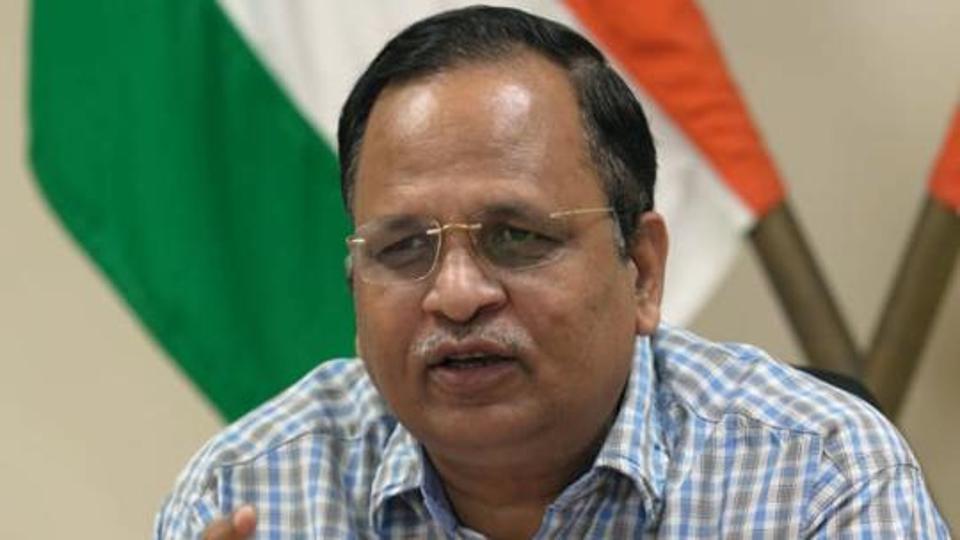
Delhi water minister Satyendar Jain on Wednesday said that the Delhi Jal Board (DJB) will upgrade its 20 biogas plants and sewage treatment plants (STP) in 15 months. A review meeting on wastewater treatment held on Wednesday also decided the tariffs for supplying treated waste water for irrigational purposes to farmhouses and institutional facilities.
A government official said that the 20 biogas plants under DJB have a capacity to handle around 400 million gallons per day (MGD), out of which only 240 MGD is currently functional. “Under the project, the biogas plants which treat sludge will also be upgraded to handle all types of solid waste, such as waste from STP, septage from septic tank, cow dung from dairies and municipal solid waste from mandis and nearby societies/colonies,” the official said.
Jain said that though municipal waste handling comes under MCD, DJB will lead this initiative to clean waste in order to reduce the burden on existing landfills.
Jain said that DJB will also introduce a new tariff to supply treated water from STPs to reduce the burden on groundwater resources. “An amount of ₹5,000 per acre per month would be charged from the beneficiaries apart from a one-time fixed cost of ₹10,000 per acre towards infrastructure charge,” he said.
A government official claimed that a timeline of 12-15 months has been fixed to upgrade all STPs. “In the new method of upgradation, existing plants will be revived without additional civil work. Incentives will be provided for using energy-efficient equipment in these STPs,” the official stated.
Jain said that the projects should be completed at least six months before the deadlines set for Clean Yamuna’ project. On November 18, 2021, Delhi chief minister Arvind Kejriwal has announced a six-point action plan to clean the river Yamuna by February, 2025. Upgrade of STPs is a key parameter under this project.
Delhi has the capacity to treat only about 600 MGD of sewage currently because of which a lot of sewage is left untreated and released directly into the Yamuna. Under the six-point programme, this capacity will be raised to 800-850 MGD.
As per NGT direction to save groundwater aquifers, DJB is currently laying of pipelines to carry STP-treated water to consumers. Jain stated that a decision has been taken to supply treated water to farmhouses in the areas like Satbari, Sultanpur and Jaunapur, among others, which are currently extracting groundwater for horticultural needs.
Large parts of the Delhi have seen a drop in the groundwater level by four metres or more, a decadal analysis carried out by Central Ground Water Board between 2005 and 2014 has shown. Recent analysis have shown that the groundwater level in Delhi is dropping at least 0.2 metres on average every year.


